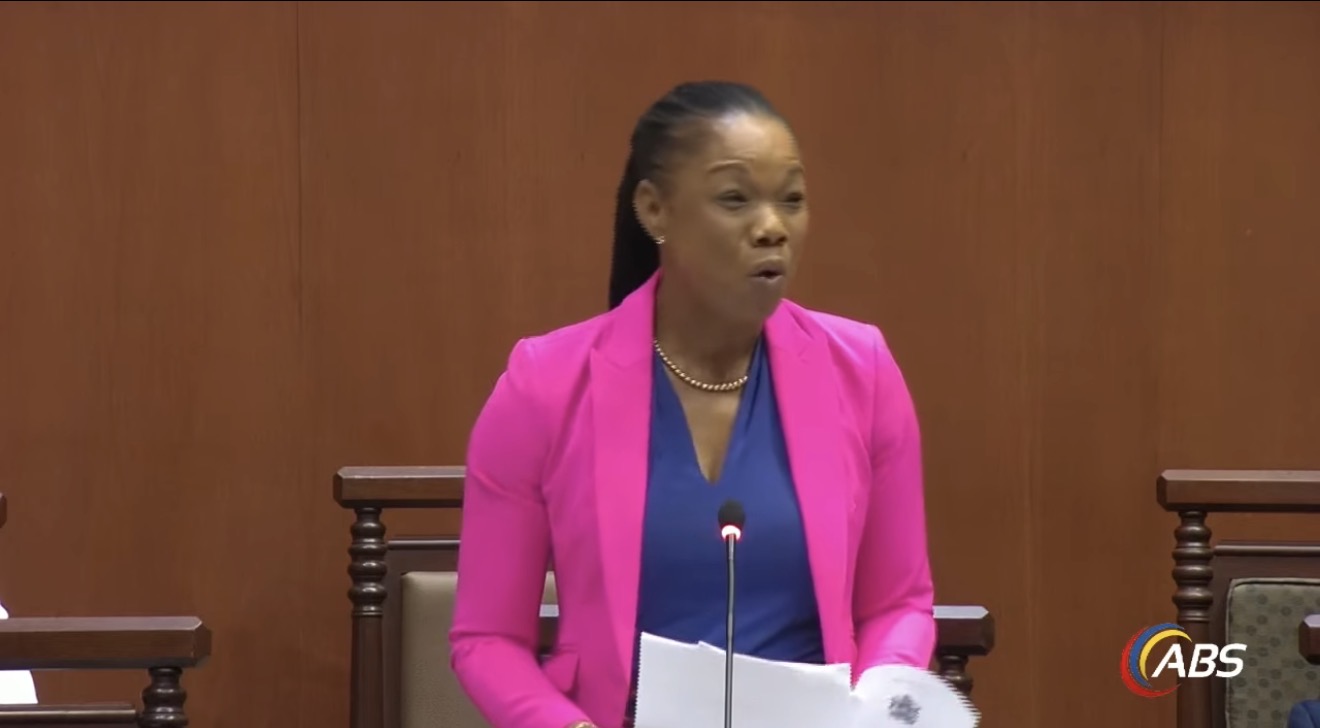
After a structured debate that saw opposition lawmakers push for progressive adjustments to modernize outdated legislation, Antigua and Barbuda’s Senate has formally approved the Fatal Accidents Bill 2026 — a comprehensive overhall of the country’s 102-year-old law governing wrongful death compensation claims. Leading the discussion from the opposition bench, Senator Malaka Parker has called on local residents to set aside narrow public misconceptions, emphasizing that the proposed legislation extends far beyond its most talked-about focus on road traffic fatalities to offer critical protections for grieving families across a wide spectrum of preventable death scenarios.
During floor debate on the bill, Parker pointed out that the overwhelming majority of public discourse around the new legislation has fixated exclusively on its implications for fatal road crashes, a framing that overlooks the bill’s much broader scope. Unlike the century-old law it replaces, the 2026 bill establishes a flexible, updated legal framework that enables dependent family members to pursue rightful compensation for any wrongful death caused by another party’s intentional misconduct or negligent action.
“The Fatal Accidents Bill is not simply about motor vehicle accidents,” Parker clarified to her fellow senators on the floor. She went on to outline the full range of scenarios the legislation covers, noting that it applies not only to road collisions but also to deaths resulting from medical malpractice, workplace safety failures, defective consumer products, aviation and maritime disasters, criminal violence, and many other forms of wrongful conduct.
Beyond expanding the bill’s scope, Parker highlighted that the new legislation brings Antigua and Barbuda’s wrongful death laws into line with 21st-century social realities and modern legal standards for compensation, updating outdated provisions that failed to reflect contemporary family structures. While Parker expressed full support for the bill’s overarching goals of expanding protections for grieving families and reforming the country’s outdated civil justice framework, she put forward several targeted amendments to strengthen the legislation’s impact.
Key amendments proposed by Parker included extending eligibility for bereavement damages to common-law partners, a change that aligns the law with modern relationship structures, implementing scheduled periodic reviews of the proposed $20,000 fixed bereavement award to adjust for inflation and maintain its real value over time, and cutting the mandatory waiting period before dependents can file certain compensation claims. Parker framed these adjustments as critical improvements to a bill that she described as a landmark step forward for Antigua and Barbuda’s civil justice system. Following debate, the Senate gave final approval to the bill, officially repealing the original 1924 Fatal Accidents Act and replacing it with the modernized 2026 framework.