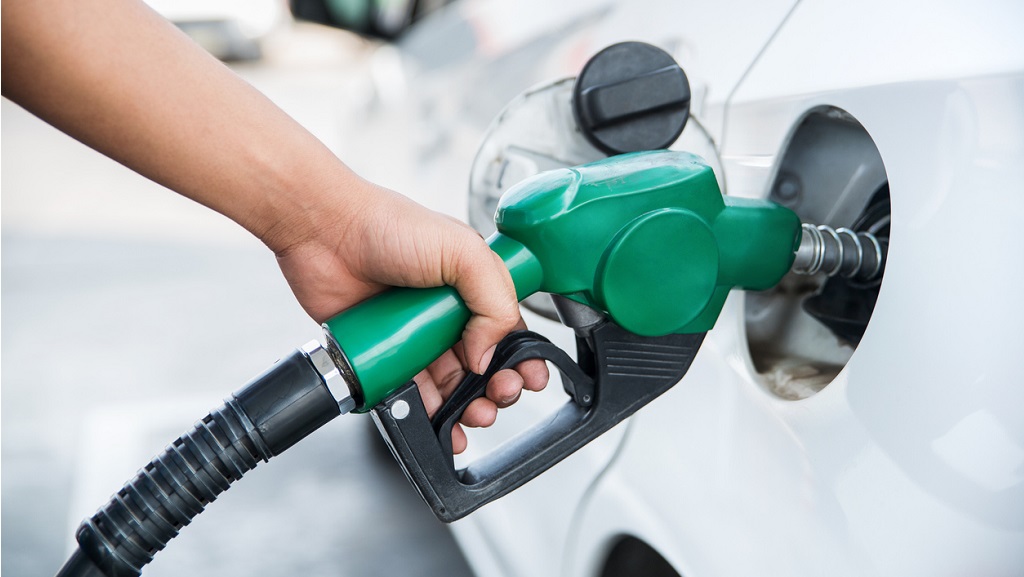
Against a backdrop of global energy market volatility stoked by ongoing geopolitical unrest, Antigua and Barbuda’s government has accumulated close to EC$10 million in outstanding debt to the West Indies Oil Company, Prime Minister Gaston Browne confirmed during his weekly appearance on Pointe FM over the weekend.
This debt stems from a deliberate policy choice by the Browne administration: the government has forgone collecting full fuel taxes to subsidize retail fuel costs, rather than passing the burden of spiking international oil prices onto local consumers. Instead of letting prices rise with global market trends, the government has covered the gap between unsubsidized costs and fixed retail rates, resulting in the current outstanding balance owed to the regional energy firm.
Browne explained that the intervention has successfully capped retail prices at EC$14.25 per gallon for gasoline and EC$14.50 per gallon for diesel – rates that remain among the lowest across the entire Caribbean, only outperformed by major oil-producing states in the region. The prime minister traced the current upward pressure on global energy prices to two key sources of geopolitical tension: the ongoing war in Ukraine and heightened geopolitical friction involving Iran, both of which have disrupted global energy supplies and pushed up international crude prices.
“ We were able to contain the costs of fuel, but it came at a cost to the government,” Browne emphasized during the broadcast. “We’ve been paying them to keep the prices where they are.”
The administration plans to maintain this price stability framework for as long as possible, arguing that consistent, predictable fuel prices deliver widespread benefits to both domestic households and local businesses. Browne framed the policy as a commitment to protecting the public during periods of economic uncertainty, noting that when fiscal conditions improve, the government will not face criticism for its proactive support during downturns. “At the end of the day, when the bad days arrive, you can be sure that we’ll provide a cover for you, the people,” he said.
Notably, the prime minister ruled out further cuts to retail fuel prices, warning that artificially low rates would risk encouraging excessive energy consumption that would undermine long-term energy sustainability. “You don’t want gas prices to be too low because that will fuel excessive consumption, and on the other hand you don’t want them to be too high,” he noted. “That $14.25 and $14.50 is reasonable.”
Looking ahead, the government’s long-term energy strategy does not rely on permanent fuel subsidies. Instead, Browne outlined plans to bring down overall energy costs through two core initiatives: introducing liquefied natural gas as a lower-cost transition fuel and scaling up investment in renewable energy infrastructure. The current subsidy framework will remain in place only until these alternative energy projects are operational and able to drive down baseline fuel costs permanently, the prime minister confirmed.