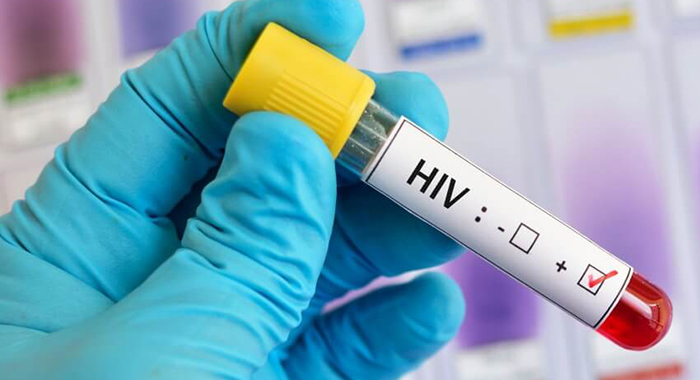
Public health authorities in St. Vincent and the Grenadines have sounded the alarm over a sustained upward trend in new HIV infections, with data revealing a concerning concentration of cases among two distinct demographic groups: young adults between 25 and 29 years old, and men aged 60 and older. The announcement was made during an official press briefing hosted by the Ministry of Health on Thursday, June 25, 2026, by Chief Health Promotion Officer Shanika John, who tied the urgent warning to the upcoming Vincymas carnival, the island nation’s largest annual celebration widely known as “the hottest carnival in the Caribbean region.”
At the briefing, John outlined the emerging epidemiological pattern that has prompted renewed public outreach. While more women than men continue to seek out voluntary HIV testing across the country, a disproportionate share of newly confirmed positive cases are found among men, concentrated heavily in the two identified age brackets. Officials chose not to publish raw case counts during the public briefing, but they emphasized that the overall upward trend in new infections is unambiguous and affects all age groups, with the two demographics standing out as particularly high-priority areas for intervention.
John pointed to shifting sexual behaviors and a widespread false sense of invulnerability as key factors driving increased risk, especially among younger populations. “For those younger persons, we do understand that you get creative and that you get innovative with your sex practices,” she noted. “But we’re asking you to remember that HIV and AIDS are still a major threat, and you cannot tell by looking if somebody is HIV positive. The only way to protect yourself is to take consistent precautions.”
Her core public guidance centers on three key actions: consistent condom use during every sexual encounter, particularly with non-regular partners; regular voluntary testing, even for people who experience no visible symptoms; and avoiding the dangerous misconception that HIV status can be determined by outward appearance. John stressed that even people living with HIV may show no obvious symptoms for years, while remaining capable of transmitting the virus to others.
The timing of the warning is no coincidence, as St. Vincent and the Grenadines prepares for the weeks-long Vincymas carnival, a period marked by increased cross-border travel, large social gatherings, elevated alcohol consumption, and higher rates of casual sexual encounters. Officials warn that these factors create ideal conditions for accelerated HIV transmission, as revellers often let their guard down in the festive atmosphere.
Positioning the HIV prevention message as part of a broader set of public health guidelines for the carnival season, John urged attendees to prioritize responsible behavior over short-term pleasure. “From the Ministry of Health, we really don’t want you drinking, but we do understand the nature of what’s happening. So we’re going to ask you to do so within moderation,” she said. She also reminded people with pre-existing chronic health conditions to stay consistent with their medication routines during the busy celebration, cautioning against neglecting long-term health for temporary enjoyment.
The gender and age pattern identified by officials highlights a persistent gap in HIV detection and control efforts. Because fewer men come forward for routine testing, undiagnosed cases may be more common in the male population, creating hidden chains of transmission that are harder to interrupt through treatment and public health outreach. This gap is particularly pronounced among the 25–29 and 60+ age groups that are already seeing higher rates of new positive cases.
While the briefing did not include updated data on HIV treatment access or outcomes, the focus on early testing and prevention signals that authorities are concerned about both rising new infections and late diagnoses, which lead to more severe health outcomes for patients and increase the risk of ongoing transmission to sexual partners.
The HIV warning was one component of a broader public health update covering multiple carnival-related priorities, including mental health support, substance use reduction, food and water sanitation, and preparedness for increased hospital demand during the event. By framing sexual health as an integral part of overall public health rather than a separate, niche issue, officials hope to normalize prevention behaviors and reduce stigma around HIV testing.
“ We ask persons to have a safe and festive season,” John said. “Your health and energy is a shared responsibility.”
Moving forward, the Ministry of Health plans to ramp up targeted public outreach, expand community testing access, and distribute free condoms across the country to slow the rise in new infections. Young adults and older men will be the primary focus of these interventions, based on the epidemiological patterns shared at this week’s briefing.