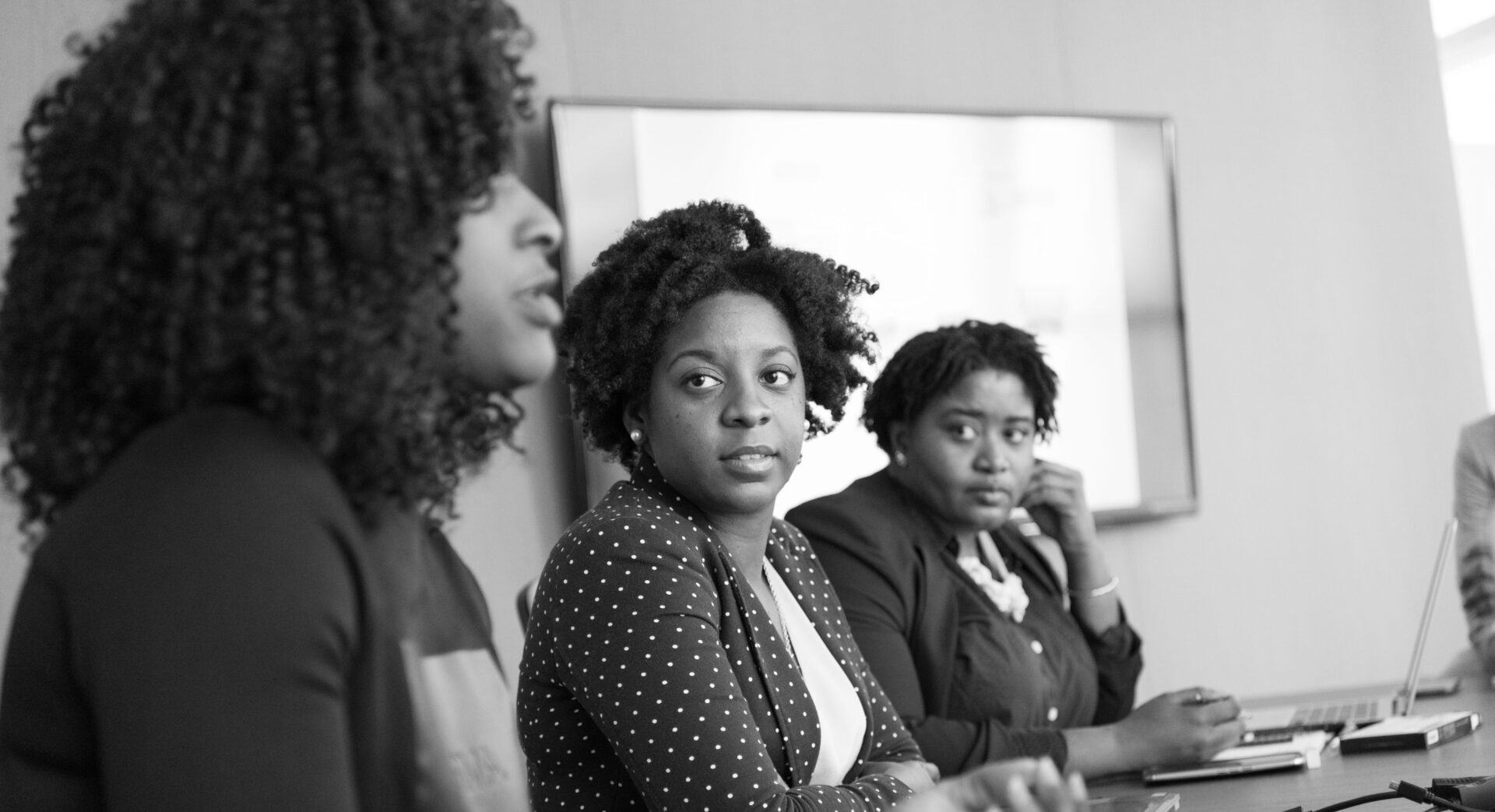
For centuries, the formal corridors of diplomacy and global decision-making were almost entirely closed to women. But over the past century, this long-standing exclusionary narrative has undergone a profound shift, as women have steadily broken through glass barriers to claim space across foreign services, multilateral bodies, peace negotiations and global conflict resolution processes. Today, their growing presence is not just a win for gender equity—it has transformed how the world approaches challenges ranging from peacebuilding to human rights, strengthening collective efforts to advance global security, sustainable development, and universal fundamental rights.
One of the earliest and most transformative examples of women’s outsized impact on global governance came during the drafting of the Universal Declaration of Human Rights (UDHR). Women were core contributors to the document, which for the first time in global history formally enshrined equal civil, political, economic, social and cultural rights for all people, regardless of gender.
Yet despite this historic progress, gender parity in diplomatic leadership remains an unmet goal. According to United Nations data, while the global share of female ambassadors and permanent representatives has climbed gradually to roughly 22.5%, women remain severely underrepresented at senior decision-making levels. Regional averages vary: Latin America and the Caribbean outpaces the global mean at 25%, with several countries boasting far higher rates of female diplomatic representation. Even at the UN itself, systemic underrepresentation persists—over nearly eight decades of the organization’s existence, it has never been led by a woman Secretary-General.
Every June 24, the International Day of Women in Diplomacy stands as both a celebration of how far women have come and a urgent call to action to close the remaining representation gaps. The 2026 campaign for the day, themed “Advancing Inclusive Leadership and Global Cooperation,” centers the critical role of women’s perspectives in multilateral negotiation, peacebuilding and sustainable development work.
The day also anchors its calls for change in the United Nations Sustainable Development Goals (SDGs), specifically SDG 5 on Gender Equality and SDG 10 on Reduced Inequalities—two core frameworks that prioritize inclusive leadership. SDG Target 5.5 explicitly requires full and effective women’s participation and equal access to leadership across all levels of political, economic and public decision-making. SDG Target 10.2 calls for the social, economic and political inclusion of all people, while Target 10.3 demands equal opportunity and the elimination of systemic discriminatory practices.
Across diplomatic missions, international institutions and negotiating tables, women leaders already deliver unique, invaluable outcomes: they strengthen dialogue, build cross-stakeholder consensus, advance more durable conflict resolution, and deepen global cooperation. Their leadership bridges national priorities and transnational challenges, paving the way for solutions that advance shared prosperity, universal human rights and global security.
The International Day of Women in Diplomacy calls on governments, multilateral bodies, academic institutions, civil society organizations and diplomatic communities worldwide to step up efforts to promote greater gender inclusion, dismantle long-standing structural barriers, and guarantee women equal opportunity to shape the global decisions that impact communities, nations and the entire planet.
As UN Deputy Secretary-General Amina Mohammed has emphasized, all stakeholders must work to guarantee women a seat at the negotiating table, that their voices are heard, and that their contributions are fully valued. This commentary was written by Wayne Campbell, an educator and social commentator focused on how development policy intersects with culture and gender equity.