In the latest epidemiological update from the Dominican Republic’s Ministry of Public Health, the country has recorded a steady uptick in leptospirosis cases through the first 23 weeks of 2026, alongside new data on a range of other infectious and chronic health conditions, and public outreach to mark World Vitiligo Day.
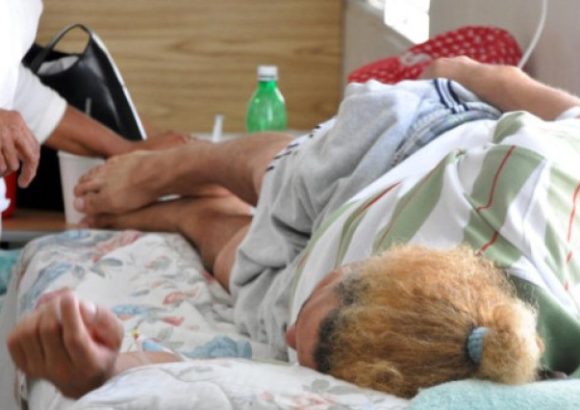
As of the 23rd epidemiological week, the Caribbean nation has logged 14 total deaths from leptospirosis, a zoonotic bacterial disease spread through contact with urine from infected animals, and 179 confirmed cases across the country. The most recent reporting week alone added three new fatalities and four new confirmed infections, distributed across the National District (two cases), Monte Plata (one), and Santo Domingo (one). Broken down by region, the highest case counts are concentrated in Santo Domingo with 21 confirmed infections, followed by Espaillat with 13 and Puerto Plata with 4.
Public health officials attribute the growing number of leptospirosis exposures to above-average rainfall and widespread flooding across the country this season. These wet conditions create ideal environments for the Leptospira bacteria carried by rodents, increasing public exposure risk through contact with stagnant floodwater or contaminated surfaces. The disease typically presents symptoms including high fever, intense headache, muscle pain, chills, redness of the eyes, and gastrointestinal distress such as vomiting or diarrhea, with symptoms emerging between five and 14 days after initial exposure to contaminated material.
In response to the rising case load, the Ministry of Public Health confirmed it has ramped up epidemiological surveillance protocols, including active outreach to identify febrile cases early, timely collection of patient samples for testing, and consistent reporting to national public health monitoring systems.
Beyond leptospirosis, the ministry’s latest epidemiological bulletin includes updates on several other communicable diseases monitored across the country. Between June 7 and June 13, three new confirmed cases of dengue were reported across La Altagracia, San Juan, and La Romana provinces, bringing the national total to 125 as of the end of last week. For malaria, the cumulative 2026 case count stands at 97, with no new infections confirmed in the most recent reporting week. One new case of tetanus was recorded in Dajabón Province this week, pushing the national total to 13 cases for the year across non-infant age groups. The bulletin also noted seven new detections of SARS-CoV-2, the virus that causes COVID-19, in week 23.
Tracking respiratory virus circulation through the first 23 weeks of 2026, public health authorities identified a range of active pathogens including SARS-CoV-2, Influenza A(H3N2), Influenza A(H1N1)pdm09, Influenza B, adenovirus, human metapneumovirus, and parainfluenza virus. Early in the year, detections were dominated by unsubtyped Influenza A, Influenza A(H3N2), and Influenza B, but starting in week 19, the country has seen a gradual increase in SARS-CoV-2 detections. The report also shared mortality data, noting 57 maternal deaths and 697 infant deaths in the first six months of 2026.
Alongside its infectious disease update, the ministry marked June 25 as World Vitiligo Day, launching public outreach to raise awareness of this chronic autoimmune skin condition. Vitiligo develops when the body’s immune system mistakenly destroys melanocytes, the cells that produce melanin, the pigment responsible for color in the skin, eyes, and hair.
International health organizations estimate that between 0.5% and 2% of the global population lives with vitiligo. Dominican Public Health Minister Víctor Atallah emphasized that while there is no cure for the condition, there are effective treatment options available to slow the spread of depigmented patches on the body and encourage repigmentation in affected areas.
Health experts explain that the pigment destruction caused by vitiligo can range from selective and partial to complete, and can impact both the skin and mucous membranes. While the exact root cause is still under investigation, it is widely classified as a systemic autoimmune process linked to genetic predisposition. The condition presents as progressive white patches on the skin, which can appear either suddenly or gradually. Critically, vitiligo does not change the underlying structure of the skin and is not contagious, meaning it cannot spread from person to person through contact.
Vitiligo most commonly affects symmetrical areas of the body, including the face, elbows, knees, backs of the hands, feet, and genitals. The condition is particularly visible in people with darker skin tones, due to the sharp contrast between depigmented white patches and naturally darker surrounding skin.