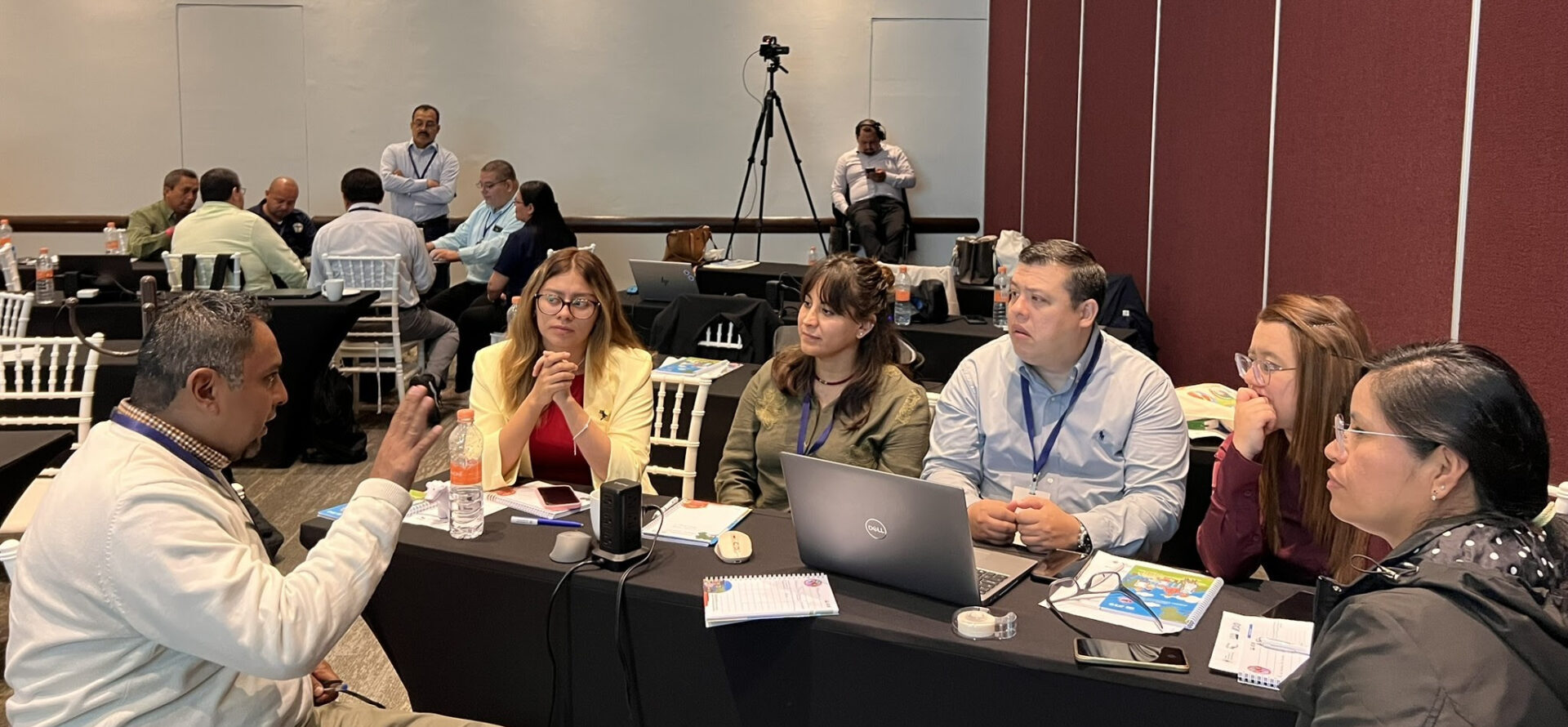
A dangerous parasitic pest, the New World screwworm (NWS), has driven seven nations across Central America and Mexico to unify in a historic regional collaboration aimed at controlling the invasive species while upholding strict food safety standards for milk and meat supplies. The three-day landmark gathering, held in Mexico City, was organized through a joint partnership of the Inter-American Institute for Cooperation on Agriculture (IICA), the Central American Dairy Federation (FECALAC), and the Executive Secretariat of the Central American Agricultural Council (SECAC), bringing 36 cross-sector stakeholders to the table to address overlapping challenges in animal health and food safety.
Attendees spanned a diverse range of expertise, including national NWS control program coordinators, food residue monitoring officials, technical specialists from the Panama–United States Commission for the Eradication and Prevention of New World Screwworm (COPEG), government animal health and food safety regulators, and private-sector representatives from regional livestock and dairy production sectors. This meeting marked the first time that NWS control leaders and food residue monitoring professionals have convened in a single regional forum, a deliberate step reflecting the growing interconnectedness of threats to animal health and food security in the region.
The New World screwworm is a devastating parasitic pest spread by a species of fly whose larvae consume the living tissue of host animals. While cattle are the pest’s primary target, it can also infect other domestic animals, wildlife, and in rare, dangerous cases, humans. Recent re-emergence of the pest across multiple parts of the region has spurred a sharp increase in veterinary medicine use to treat resulting myiasis and animal wounds, which in turn has created an urgent need for more robust monitoring of drug residues in milk and meat products for human consumption.
Over the course of the conference, delegates shared critical data on national epidemiological trends, currently deployed treatment protocols, unmet regulatory needs, and the existing capacity of national systems to track residues in animal-derived food products. Delegates centered discussions on enhancing cross-border risk management, expanding structured information sharing, and building scientifically grounded regional surveillance systems. A core consensus emerged from the gathering: prevention remains the single most effective strategy to contain the pest. Early detection and treatment of animal wounds, paired with widespread adoption of standardized Good Livestock Practices, was agreed to drastically reduce NWS infection rates, cut unnecessary reliance on veterinary medications, and ultimately support the production of safe, marketable food products.
Conference attendees outlined a clear set of priority actions to guide regional collaboration moving forward. These key initiatives include promoting responsible, evidence-based use of veterinary medicines across the livestock sector, developing a unified regional guide for Good Livestock Practices, strengthening risk-focused residue monitoring programs, expanding cross-border collaboration between official testing laboratories, generating shared technical data to guide policy, and establishing permanent, open channels for ongoing information exchange between member nations.
Private sector representatives emphasized their unwavering commitment to advancing these collective goals. “As the private sector, we are committed to supporting joint action, contributing technical and financial resources, and analyzing gaps in our regional capacity to manage contaminants and residues in milk and meat amid the NWS challenge,” explained Ramiro Pérez, FECALAC’s delegate to the meeting. Octavio Hernández, General Director of the Mexican Association of Milk Producers (AMLAC), highlighted the transformative value of cross-national knowledge sharing: “These exchanges allow us to learn from the experiences of other countries and strengthen our prevention efforts. The end goal is full containment and eventual eradication of the pest through coordinated regional action.” Juan Ramón González, representing Mexico’s National Confederation of Livestock Organizations (CNOG), underscored that regional solidarity is non-negotiable to address the transboundary threat: “We are facing an emergency that requires solidarity and coordination. Countries are joining efforts and sharing experiences because we understand this is a common challenge, one we can only solve by working together.”
Beyond plenary discussions, the conference program included a technical site visit to the Residue Laboratory of Mexico’s National Service for Agrifood Health, Safety, and Quality (SENASICA), where delegates gained hands-on insight into Mexico’s advanced analytical capabilities, cutting-edge detection methodologies, and decades of practical experience monitoring residues in animal-sourced foods.
Regional agriculture leaders emphasized that this gathering marks a critical turning point in collective action against the pest. José Luis Ayala, Technical Coordinator of IICA Mexico, noted that a coordinated regional approach is the only sustainable way to address transboundary animal health emergencies: “Bringing producers, technical specialists, researchers, program managers and authorities together in the same space makes it possible to build more comprehensive and sustainable solutions to confront the pest and protect livestock production across the region.” Oswaldo Segura, SECAC Regional Specialist in Agricultural Competitiveness, echoed this call for sustained collaboration, stating: “We need to continue building cooperation mechanisms among countries and institutions. Coordination across the agriculture, health, food safety, and production sectors is essential to respond effectively to the challenges posed by the New World Screwworm.”
In closing, Alejandra Díaz, IICA Technical Specialist in Agricultural Health, Food Safety, and Food Quality, emphasized that long-term success depends on integrated, cross-sector collaboration: “Animal health, food safety, and public health are closely intertwined. This meeting demonstrated that the exchange of experiences and regional cooperation are fundamental for strengthening countries’ response capacities and protecting consumer confidence in the food we produce.” Participants reaffirmed that sustained, integrated cooperation between veterinary services, surveillance programs, testing laboratories, and producer groups is the only path to long-term NWS control and prevention of food safety risks linked to veterinary medicine residues.