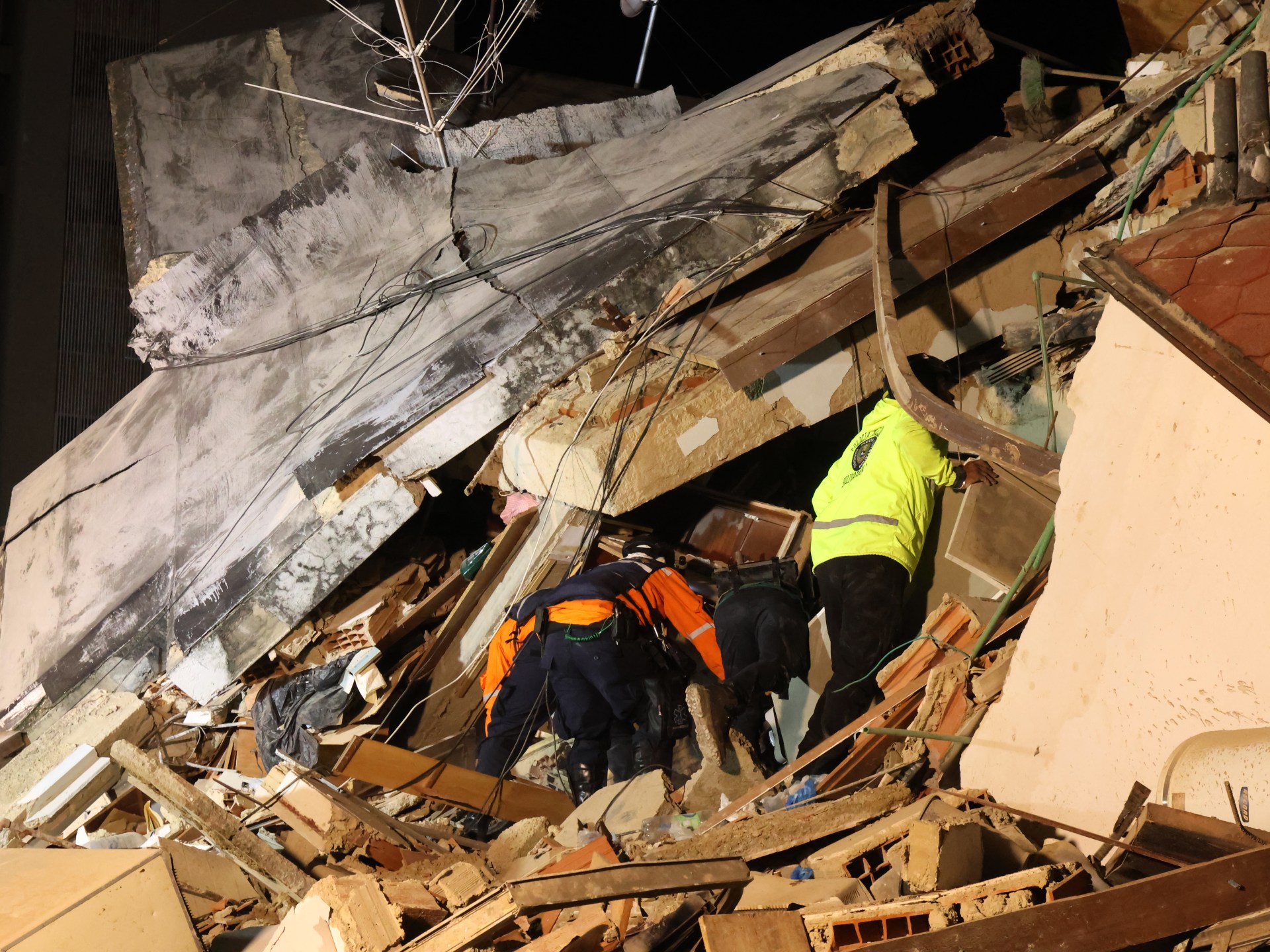
On the afternoon of Wednesday, June 24, 2026, a rare pair of powerful back-to-back earthquakes hit central Venezuela, leaving a trail of destruction, dozens killed and hundreds injured that has shocked the region. Just hours after the disaster unfolded, Guyana’s President Irfaan Ali issued an early public statement Thursday extending a hand of solidarity and assistance to neighboring Venezuela, despite long-running territorial tensions between the two nations.
According to updated international reporting as of Thursday morning, the two quakes struck just 60 seconds apart, registering magnitudes of 7.2 and 7.5 respectively. The second temblor marks the strongest seismic event to hit Venezuela since 1900, a record that underscores the rare intensity of the disaster. The tremors hit at 6:04 p.m. local time, when most Venezuelans were at home celebrating a national public holiday, amplifying the risk to human life.
As of the latest official count from the BBC, at least 32 people have been confirmed killed, more than 700 others have sustained injuries, and hundreds of structures across the affected region have been reduced to rubble. The hardest-hit areas are the country’s capital, Caracas, and the coastal La Guaira state, where rescue teams have been working through the night to sift through collapsed buildings, with reports of survivors still calling for help trapped beneath debris.
In his statement posted to Facebook early Thursday, President Ali emphasized the bond of neighborhood between the two South American nations. “As neighbours, we are ready to offer assistance within our capacity. Our love, prayers, and thoughts are with the families of those affected and the people of Venezuela,” Ali said. He added that Guyanese citizens across the country are deeply saddened by the scale of destruction brought by the powerful quakes, and that the entire nation stands in solidarity with Venezuela in the wake of the tragedy.
The offer of aid comes against a backdrop of longstanding territorial dispute between Guyana and Venezuela. Since Guyana discovered significant commercially viable oil reserves in the Essequibo region in 2015, Venezuela has ramped up diplomatic and aggressive actions to assert its long-held claim to the resource-rich territory. The International Court of Justice is expected to issue a landmark ruling on the legal validity of the 1899 Arbitral Tribunal Award, which established the current border between the two nations, either by the end of this year or early 2027.