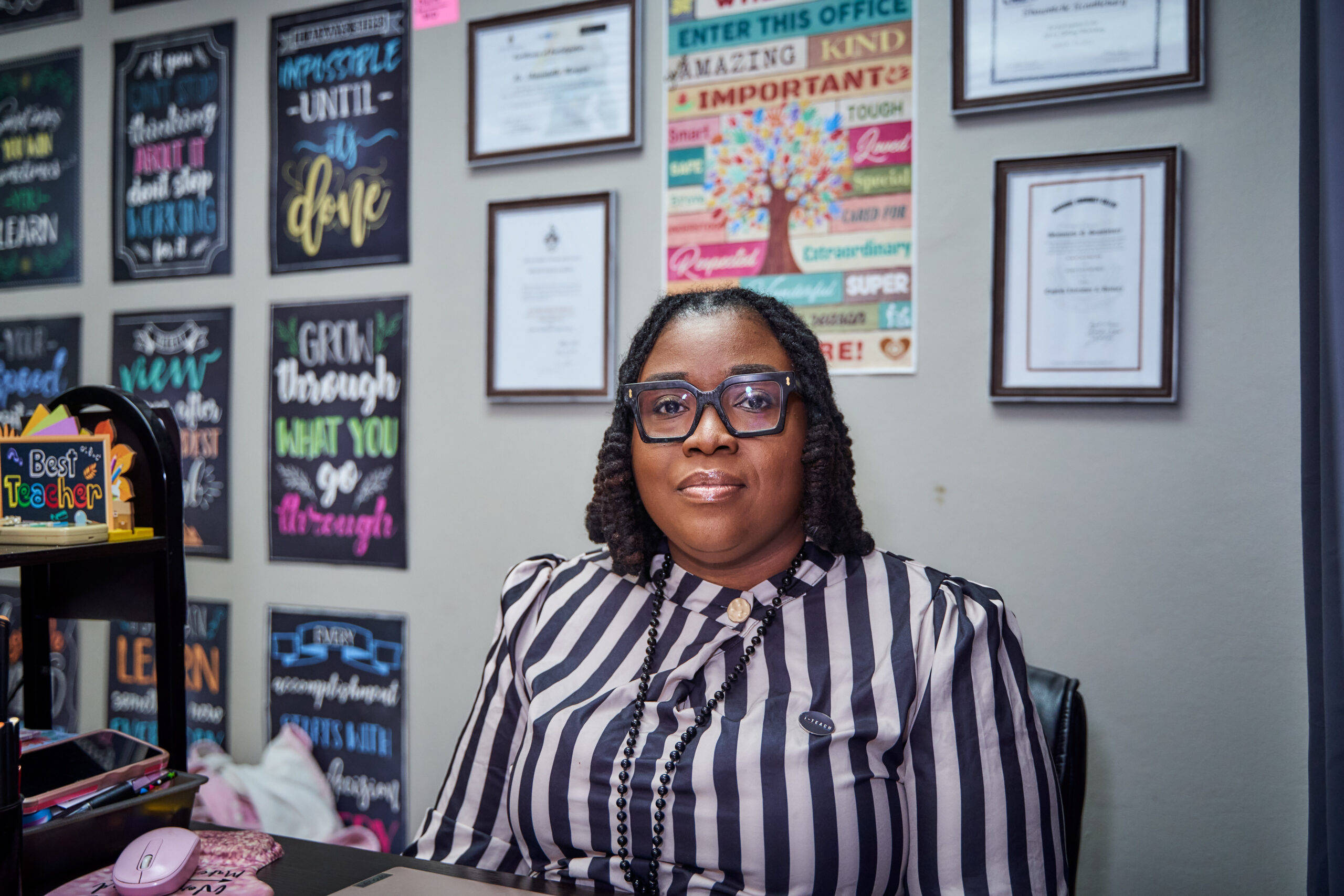
Barbados is facing a growing crisis in primary education, after newly released results from the national Secondary Schools’ Entrance Examination revealed a dramatic drop in English performance alongside persistent gaps in literacy and numeracy skills. Leading literacy specialist Shawntelle Morgan, founder of the educational consultancy I-Teach Transformative Knowledge Solutions Ltd, is sounding the alarm that the current state of young learners’ grammar and reading comprehension falls far short of acceptable standards, with long-term consequences for students moving into secondary education.
Official data shows the national average English score tumbled from 72.5 in 2025 to 64.2 in this year’s examination. While Acting Chief Education Officer Julia Beckles framed overall results as broadly aligned with trends from recent years, she did confirm longstanding concerns around students’ core competencies: mastery of grammar and vocabulary, reading comprehension, and the ability to apply learned mathematical concepts to new problems.
Morgan pushed back against framing the results as a status quo that can be accepted, telling local outlet Barbados TODAY that the declining scores demand far more aggressive action to close persistent learning gaps. She singled out deficits in expository text comprehension as a particularly pressing threat to secondary school success, noting that this type of informational writing forms the backbone of the secondary curriculum across all subjects. Students who struggle to parse expository text will face steep, avoidable barriers to learning as they advance, she explained.
The literacy expert emphasized that gaps in foundational literacy identified at the primary level do not disappear when students transition to higher grades — they follow learners into secondary school and undermine their ability to engage with new, more advanced content. Instead of students shifting from “learning to read” to “reading to learn” as expected, many arrive at secondary school still needing to fill gaps in core foundational skills. Even high-performing overall students are not immune, Morgan added: while they may have solid general literacy skills, they often lack the disciplinary literacy specific to individual high school subjects, which demands more complex analytical reading skills.
Morgan argues that the 2025 exam results should push educators and national policymakers to conduct a root-cause review of existing literacy initiatives. She questioned whether current programs are actually delivering meaningful improvements, or merely covering up deeper systemic flaws in the education system. “If we look at the data and see that we are regressing somewhat, then we have to ask ourselves why, and how do we pivot from where we currently are,” she said.
While Morgan acknowledged that significant public and private investment has already gone into expanding literacy programs across Barbados, she said a one-size-fits-all approach is not working. Instead, the education system needs a more individualized model that assesses each learner’s unique gaps and adjusts instruction to meet those needs, she argued, noting that “you cannot build on a weak foundation.” She also called for a shift away from social promotion — moving students to the next grade simply based on age, rather than mastery of core skills — to ensure all learners have a solid foundational base before advancing.
To address the crisis before the next academic year begins, Morgan is calling for a coordinated national response that brings together Ministry of Education officials, primary and secondary school teachers, and school administrators for targeted consultation. She stressed that incremental, short-term fixes such as summer intervention programs followed by a return to traditional outdated teaching methods are not enough to reverse current trends. “It cannot be business as usual,” she said.
Among the key changes Morgan is pushing for: universal comprehensive diagnostic assessments to map learning gaps early, increased targeted funding for schools serving vulnerable student populations, and expanded learning resources to support students as the education system shifts toward more project-based learning models. Morgan emphasized that all preparations and resourcing must be completed before the new school year opens, saying meaningful change requires intentional pre-term planning to set students up for success.