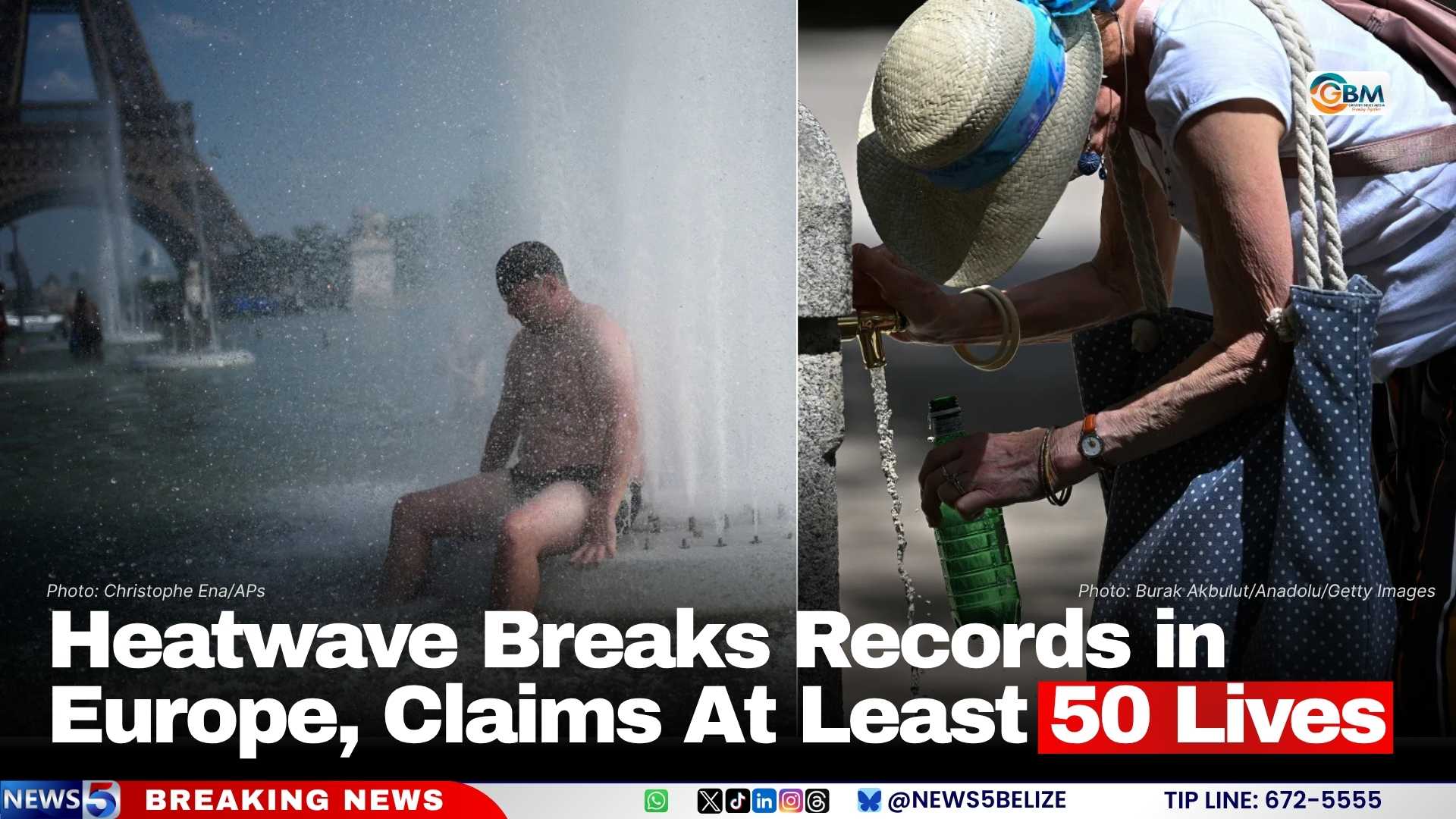
In June 2026, a devastating, climate-fueled heatwave locked Western Europe in an unforgiving heat trap courtesy of a rare weather phenomenon known as an “Omega block”, leaving a trail of fatalities, environmental damage, and exposed government unpreparedness across four major nations. The unprecedented heat surge, which has shattered long-standing temperature records across France, the United Kingdom, Spain, and Italy, has already claimed at least 50 lives, with many more at risk as the extreme conditions persist.
According to official and media reports, the majority of fatalities have been recorded in France. Initial BBC reports noted that at least 40 people drowned across the country as residents ventured into bodies of water in desperate bids to escape the sweltering heat. Later updates from Reuters confirm the national death toll has climbed past 50, including two young children who lost their lives after being trapped in a overheating vehicle. Neighboring Spain has also recorded heat-related deaths: two elderly residents have died from acute heatstroke, and a commercial poultry farm suffered catastrophic losses when hundreds of thousands of birds succumbed to the scorching temperatures.
Meteorologists explain that the prolonged extreme heat is the result of an Omega block, a high-pressure weather system that takes its name from its omega-like shape on weather maps. This pattern stalls movement across the jet stream, trapping hot air masses over a region for days or even weeks on end. In this 2026 event, temperatures across affected regions have reached up to 18 degrees Celsius above the historical average for late June, a deviation that far outpaces even the most pessimistic climate projections for extreme heat events.
Beyond the direct human and animal toll, the record-breaking heat has put critical regional infrastructure under unprecedented strain, and has revealed that many national governments are ill-prepared for the rapid escalation of extreme weather driven by climate change. Speaking to national radio, French Labour Minister Jean-Pierre Farandou acknowledged the sudden shift in the country’s climate reality, saying, “We’re in the process of finding out we’ve become a hot country.”
Across the Channel, the UK Meteorological Office took the rare step of activating its highest-level “Red Extreme Heat Warning”, a designation reserved for the most dangerous heat events that pose significant risk of death even to healthy people. This activation comes as Europe has warmed at twice the average global rate of temperature increase over the past century, making the continent disproportionately vulnerable to more frequent and more intense heatwaves.