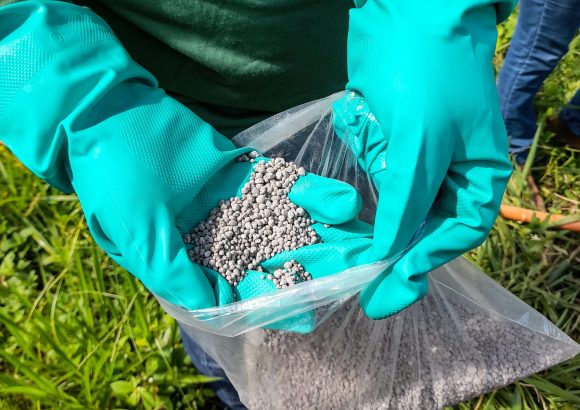
Santo Domingo – The Dominican government has moved forward to extend its critical fertilizer subsidy initiative, striking new cooperative agreements with both large and small agricultural input and raw material importers to back the program. The administration has committed more than RD$1.09 billion in fresh funding, which will keep the subsidy active for domestic producers through the end of August, with core goals of lowering farmer production costs and shielding consumers from unexpected food price hikes. The new agreements were formally signed during a ceremony hosted at the Dominican Ministry of Agriculture, with Agriculture Minister Francisco Oliverio Espaillat in attendance alongside leadership from participating importing firms. When combined with previous allocations for the program, the total government investment in fertilizer subsidies now climbs to RD$2.151 billion. This expanded funding significantly strengthens ongoing efforts to support the country’s agricultural community amid widespread global economic volatility that has sent input prices swinging sharply in international markets. Per official guidance from the Ministry of Agriculture, the subsidy program serves three urgent, interconnected priorities: it keeps retail fertilizer prices accessible for small and large producers alike, it shores up the nation’s overall food security framework, and it prevents dramatic jumps in the cost of the country’s basic consumer food basket. Government officials further emphasized that the Dominican Republic stands out among regional economies as one of only a handful that deliver direct agricultural subsidies of this magnitude. This level of commitment is designed to buffer both domestic agricultural producers and end consumers from the volatile swings that have disrupted global fertilizer and food markets in recent years. The newly signed agreements formalize a structured public-private partnership built to guarantee a consistent flow of fertilizer raw materials across the country. A key objective of this collaboration is to pre-empt supply shortages and ensure producers have full access to critical inputs during the busiest peak agricultural growing seasons. Under the terms of the deal, the first agreement covers the country’s major fertilizer importers, which are responsible for meeting the vast majority of the nation’s total domestic demand. The second agreement brings 11 smaller independent importing firms into the program, a move intended to expand private sector participation and prevent over-concentration of supply in the market. Both government authorities and private industry representatives have underscored the far-reaching positive impacts of the extended program. Beyond its immediate near-term goals of stabilizing prices and avoiding shortages, stakeholders note the initiative will support sustained agricultural output, preserve overall consumer price stability, boost the long-term global competitiveness of the Dominican agricultural sector, and keep essential food staples affordable for households across the income spectrum.