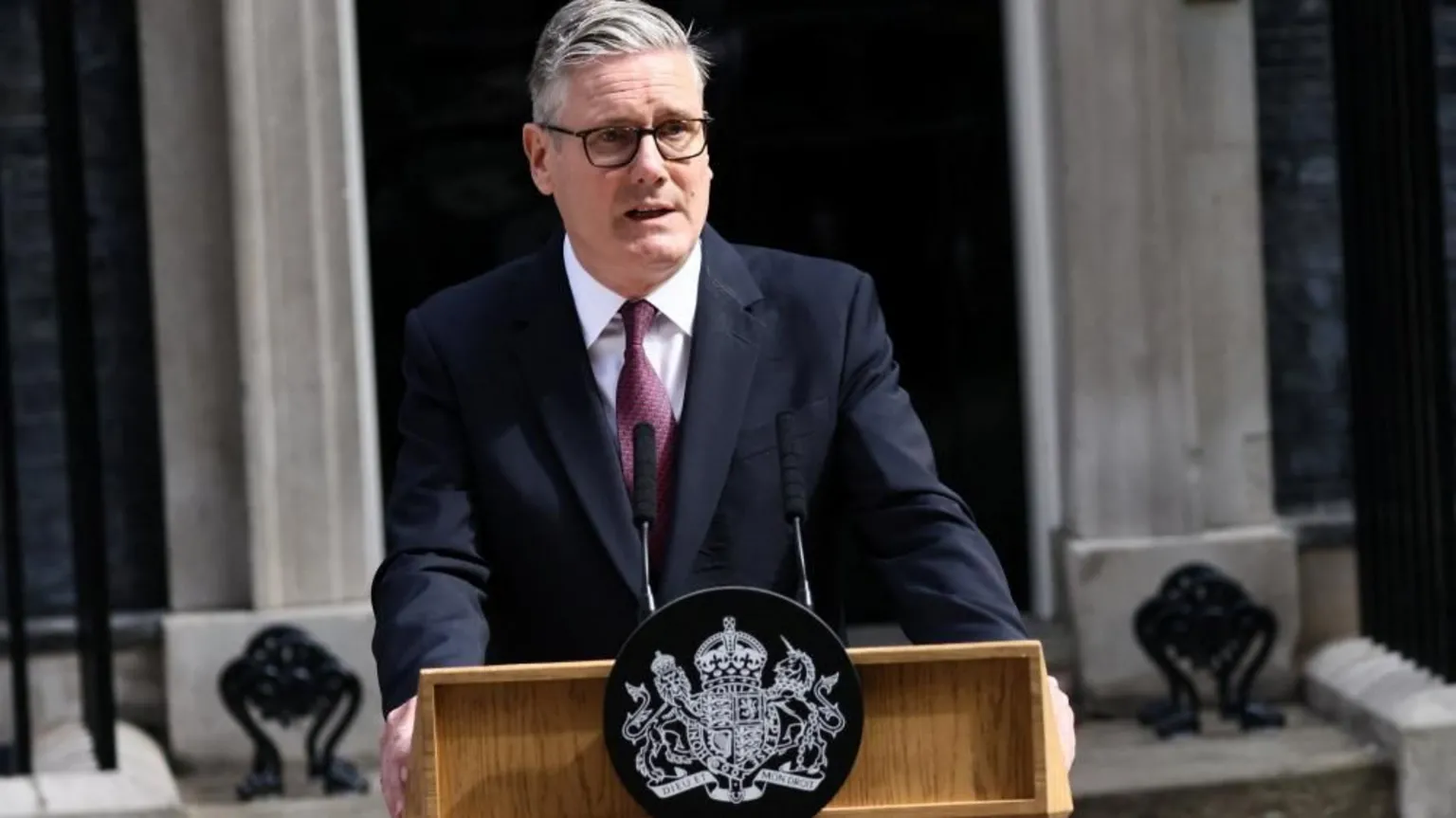
In an emotional address from the steps of 10 Downing Street, Sir Keir Starmer has confirmed he will step down as both Prime Minister of the United Kingdom and leader of the Labour Party, opening the door for a fast-tracked leadership contest that will install Britain’s seventh prime minister in less than a decade by early September.
Accompanied by his wife Victoria, Starmer said he had formally notified King Charles III of his decision to resign, and had already requested Labour’s national governing body to finalize a timeline for selecting his successor. Per the proposed schedule, nominations for the new Labour leader will open on July 9 and close by the summer parliamentary recess on July 16. If a contested race proceeds, the party will confirm its new leader — and therefore the UK’s new prime minister — before lawmakers return to Westminster in September.
Starmer, who will remain in office at 10 Downing Street until the leadership process concludes, stressed he would dedicate all efforts to delivering a smooth and orderly transition of power, and would offer his full, unwavering backing to whoever takes over the role. “They will inherit a Britain that is far stronger and fairer than the one I inherited two years ago,” he said.
First elected Labour leader in April 2020, Starmer led the party to a landslide general election victory in July 2024, taking office as prime minister shortly after. Looking ahead to his post-premiership life, an emotional Starmer said he planned to prioritize his family after leaving Downing Street. “When I leave the biggest job in the country, I shall spend more time on the most important job: being the best husband I can to my fantastic wife Vic, who has been a rock by my side through good times and bad; and being the best dad I can to my beautiful children, who are my pride and my joy.”
Starmer’s resignation comes after weeks of growing internal and public pressure on his leadership. He spent the final weekend of his premiership deliberating on his future at Chequers, the prime minister’s official country retreat in Buckinghamshire. Internal discontent had been building since a poor showing for Labour across England, Wales and Scotland in May’s local and devolved elections, amplified by controversy over a series of last-minute policy U-turns on three major pledges within a single month, and the failed appointment of Lord Mandelson as UK ambassador to the United States. Mandelson was forced to step down from the post before taking office after new details emerged of his extensive ties to the late convicted sex offender Jeffrey Epstein, casting doubt on Starmer’s judgment and the competence of his Downing Street operation.
Pressure surged last week after Andy Burnham, the former Greater Manchester Mayor and widely tipped potential successor, secured an emphatic victory in the Makerfield by-election over his Reform UK rival. Polling analyst Sir John Curtice described Burnham’s win as an extraordinary personal political achievement. Burnham will travel to Westminster on Monday to formally take up his parliamentary seat, cementing his position as the early frontrunner in the leadership race. Former Health Secretary Wes Streeting is also expected to announce a leadership bid in the coming days.
Opening his resignation speech, Starmer pushed back against critics by defending his two-year record in government, highlighting progress on employment rights, immigration reform and reducing child poverty. He also argued he had restored stability to Labour after inheriting a party that was “politically, financially and morally bankrupt” in 2020. “The hard work of change was with a singular purpose – not power for power’s sake but to change Britain for the better, to build a fairer country with dignity and respect, where everyone is seen, everyone is valued, wealth and opportunity for all not just the privileged few,” he said.
Opposition leaders were quick to respond to the announcement, with Conservative leader Kemi Badenoch dismissing Starmer as a “terrible prime minister” and attacking his policy agenda, including a rise in employer National Insurance contributions and what she called a failure to deliver meaningful welfare reform. Writing on X, Badenoch added: “But the problem isn’t just Starmer. Labour MPs only want higher taxes to hand out more benefits, as the welfare secretary has pointed out. These are Labour’s choices and their values, regardless of who is running the party.”
Liberal Democrat leader Sir Ed Davey said the frequent turnover of prime ministers had left the British public fed up with broken promises and political stagnation. “The British people are sick of being let down by an endless merry-go-round of prime ministers while nothing really changes,” he said. “This time must be different. It can’t just be about changing who’s in Number 10, it has to be about changing our broken politics so we can fix our country.”
Reform UK leader Nigel Farage joined calls for an early general election, arguing that the public — not just Labour MPs — should have a say on the country’s next leader. “If Labour thinks it can shove another professional politician into No 10, it has another thing coming,” Farage said. Green Party co-leader Zack Polanski said Starmer had lost public confidence because he failed to challenge the entrenched power of the UK’s political and economic establishment, adding that the country “needs a bold change of direction.”