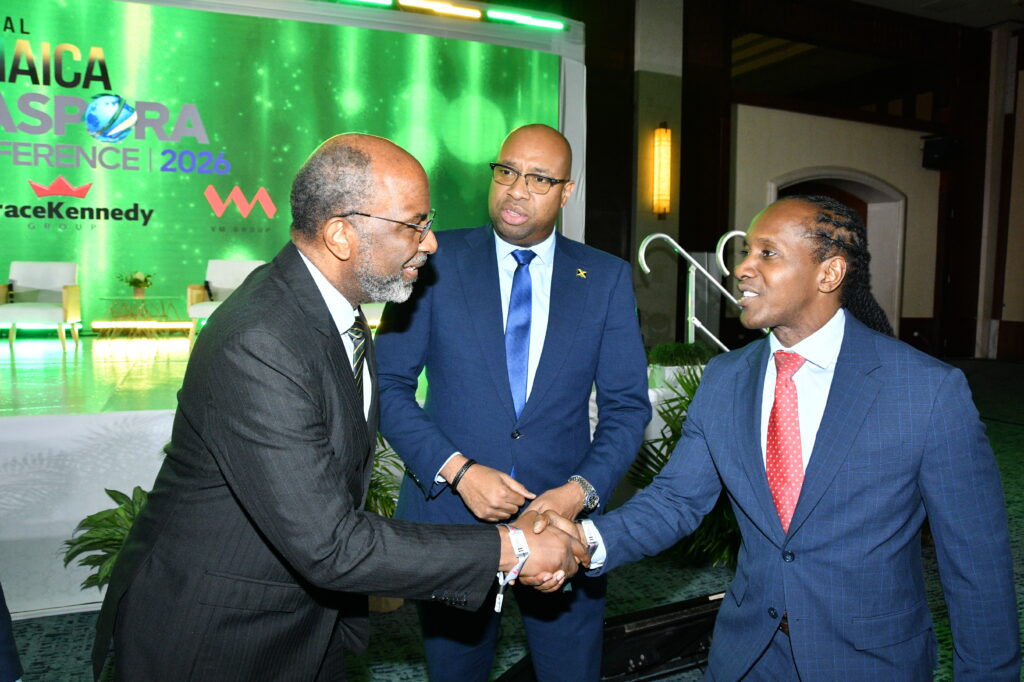
MONTEGO BAY, St. James, Jamaica — The 11th Jamaica Diaspora Conference, the largest gathering of its kind in the event’s 22-year history, concluded last week after five days of collaborative discussions at the Montego Bay Convention Centre, with organizers hailing it as an unprecedented “homecoming experience” that has cemented the global Jamaican community’s role as a transformative movement for national progress.
Held biennially under the central theme “Diaspora Partnerships: Rebuilding a More Resilient Jamaica” from June 14 to 18, this year’s conference drew more than 1,000 attendees spanning 15 countries, including Jamaicans living overseas and international allies committed to the island nation’s growth. Earl Jarrett, chairman of the conference and CEO of The Jamaica National Group, led post-event reflections highlighting how the gathering was intentionally shaped by input from the global Jamaican community itself.
Unlike previous iterations, the full conference agenda was developed following a widespread survey of diaspora members, ensuring every debate and workshop centered the issues that matter most to Jamaicans living abroad. Topics on the schedule covered a broad cross-section of national priorities, ranging from foreign direct investment and returning resident policies to agricultural development, education expansion, philanthropic collaboration, technological innovation, public security, youth empowerment, disaster preparedness, and climate resilience. Jarrett emphasized that the depth of conversations benefited enormously from the direct, hands-on participation of on-the-ground delegates, who brought lived experience and concrete ideas to the table.
The record turnout for this year’s conference, Jarrett noted, is far more than a milestone for the event—it is proof of the unwavering commitment Jamaicans overseas hold for their home country’s development and ability to withstand crisis. What began as individual and small-group efforts to support family and friends back in Jamaica has evolved into a cohesive, people-powered movement, he argued, pointing to the diaspora’s extraordinary response to Category 5 Hurricane Melissa, which devastated large swathes of the island in October 2025.
“Organically, you all built formal and informal networks across the globe to support your schools, your hometown communities, your families, and Jamaica as a whole,” Jarrett told attendees in his closing remarks, praising the community’s consistent philanthropic leadership. “All those relief containers, all those donations that arrived after the hurricane—none of that would have happened without your independent, dedicated efforts. When I saw footage of donation drives, it wasn’t just Jamaicans giving—it was your neighbors, your colleagues, your friends who have come to care deeply about our country. These friends of Jamaica are part of this movement too, and when you count all of us together, Jamaica is a community of 6 million strong, far beyond our island borders.”
Jarrett extended credit to the Jamaican government and all participating stakeholders for their work to pull off the successful gathering, but stressed that the conference’s real impact will be measured in what comes after the closing plenary. “Gathering us all together here is a wonderful thing, it’s important to reconnect and build relationships,” he said. “But this work isn’t just about conversation—it’s about turning the ideas and concerns raised here into tangible solutions. For years, the government has already adapted its bureaucratic processes and policies in response to feedback from past diaspora conferences, and that progress needs to keep going.”
That call for sustained action beyond the conference hall was echoed by Alando Terrelonge, Minister of State in the Ministry of Foreign Affairs and Foreign Trade, who leads the government’s diaspora affairs portfolio. Closing out the event, Terrelonge reaffirmed that the true value of the week’s deliberations will not be judged by the quality of dialogue alone—but by the tangible actions delivered by both government and diaspora partners in the weeks, months, and years to come.