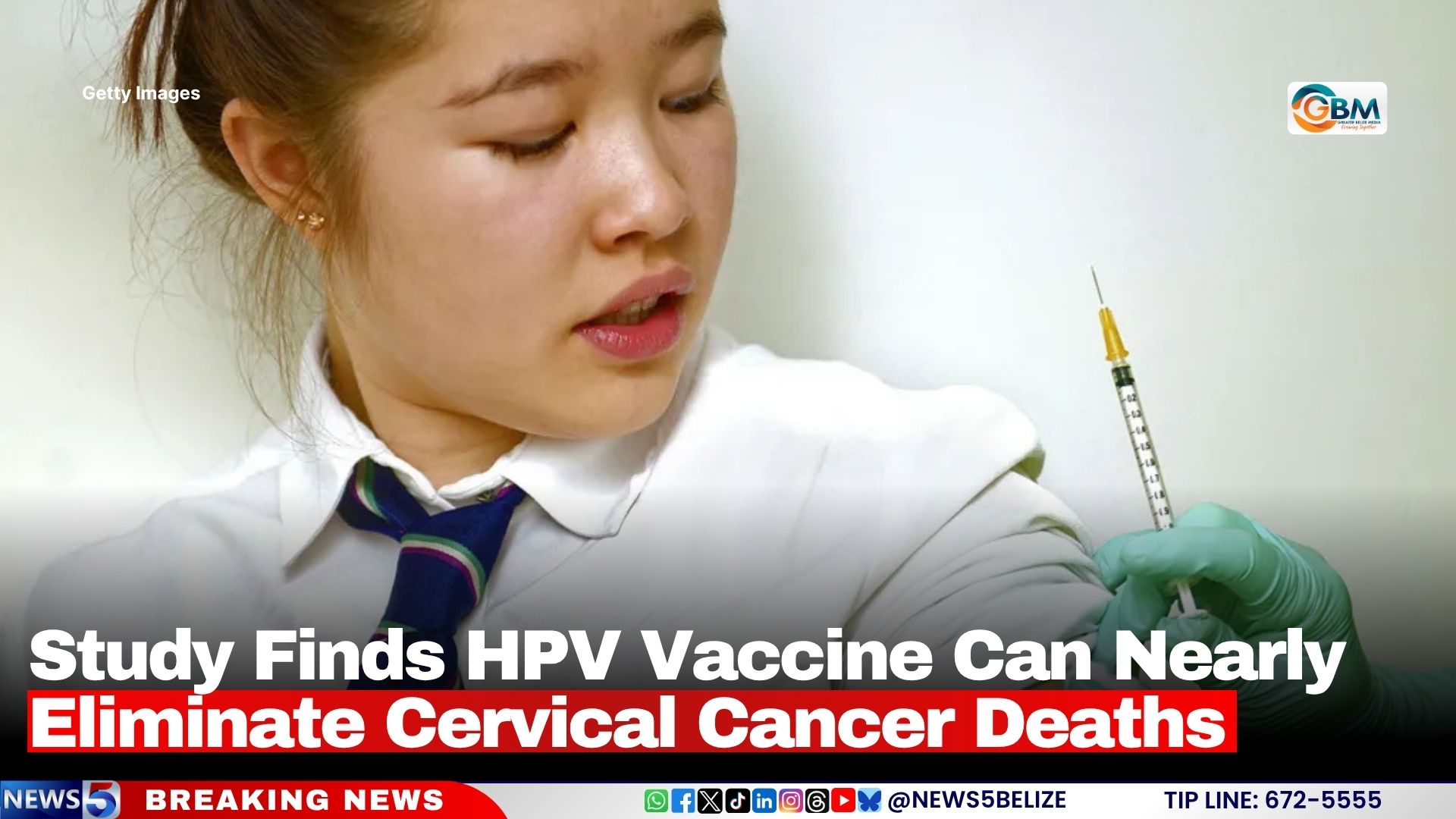
A groundbreaking long-term study conducted by public health researchers in the United Kingdom has delivered transformative evidence that vaccination against human papillomavirus (HPV) given to 12 to 13-year-old girls cuts the risk of death from cervical cancer before age 30 to nearly zero. This research, the first of its scope to measure real-world population-level outcomes of national HPV vaccination programs, documents a historic public health milestone: between 2020 and 2024, there were zero recorded deaths from cervical cancer among women aged 20 to 24 in England, marking the first five-year period without any fatalities from the disease in this age group.
Study projections indicate that without the national rollout of HPV vaccination that launched in 2008, roughly 23 deaths from cervical cancer would have occurred in this demographic over the five-year window. Cumulatively, researchers estimate that the program has already saved approximately 200 lives across England in the 18 years since school-based vaccination began. Lead researcher Professor Peter Sasieni of Queen Mary University of London called the results extraordinary, noting that it is rare for a single preventive intervention to come so close to eradicating a major form of cancer.
Medical science has long confirmed that HPV, a common virus spread through close skin-to-skin intimate contact, is responsible for 99% of all cervical cancer cases. While most HPV infections resolve on their own without medical intervention, persistent infections can trigger abnormal cellular changes that develop into invasive cancer decades after the initial exposure, making early vaccination before sexual activity begins particularly effective for long-term protection.
The landmark findings come amid ongoing debates over HPV vaccine access in other regions, including Belize. Since 2016, Belize’s Ministry of Health has administered the HPV vaccine to more than 46,000 fourth-grade students across the country. However, the program has faced pushback from some leaders in the Catholic Church, who have blocked vaccine administration in church-run schools over unsubstantiated claims that the vaccine encourages early sexual promiscuity. Earlier this year, Belizean Health Minister Kevin Bernard issued a public appeal to church leadership to reverse their opposition, emphasizing the vaccine’s proven life-saving potential and rejecting the misinformation driving their resistance.