A former Olympic track athlete from Barbados who now works as a sports tourism organizer is sounding the alarm over a growing crisis facing young local student-athletes studying abroad, urging the creation of a formal mentorship network to stop talented competitors from dropping out of post-secondary institutions due to unmanaged academic and personal stress.
Stevon Roberts, who represented Barbados in the men’s 800-meter individual race and the 4×400-meter relay at the 1992 Barcelona Olympic Games, has spent years watching gifted Barbadian athletes leave overseas college programs early – a trend he says is not caused by a lack of ability, but by a complete absence of targeted guidance as they navigate the dual pressures of elite training and academic requirements.
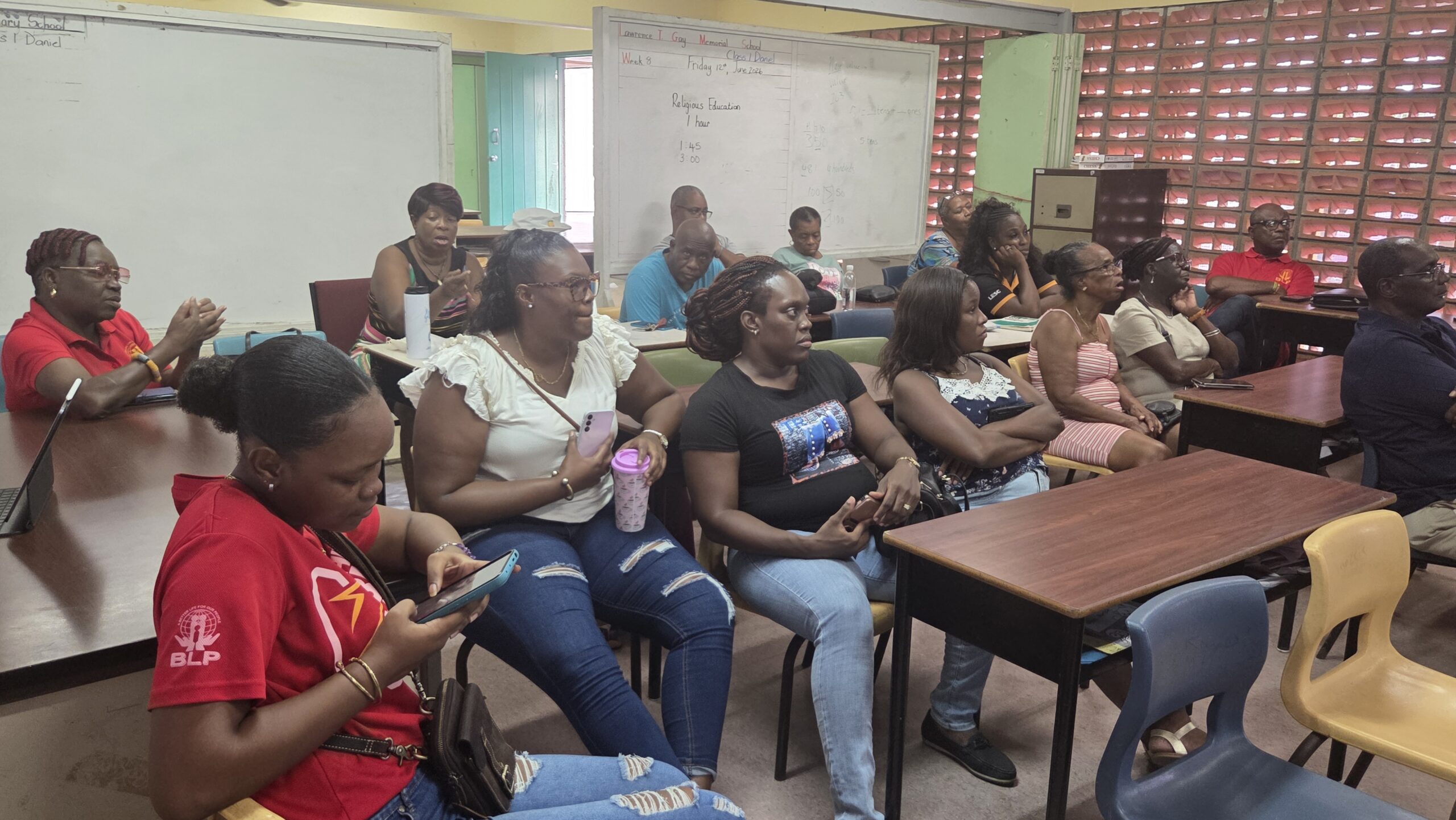
Speaking at a Sunday meeting of the Barbados Labour Party’s St Michael West Central branch, held at the Lawrence T Gay Memorial Primary School, Roberts outlined his proposal for a specialized mentorship club, dubbed the “Big Brother club,” that would pair current student-athletes with experienced former competitors who have already navigated the challenges of competing and studying overseas.
Roberts explained that most student-athletes on international sports scholarships face non-stop demands: daily mandatory training hours, full course loads, and strict grade requirements that, if not met, result in losing athletic eligibility and the financial support that makes their overseas education possible. He shared a recent example of a young Barbadian athlete who returned home, overwhelmed by his workload, on the brink of abandoning his scholarship entirely, with his parents unsure how to support him. He noted that many young athletes hold back from sharing their struggles with their parents out of fear of disappointing them, making peer mentorship from people who have had the same experiences irreplaceable.
Beyond his advocacy for student-athlete support, Roberts used the platform to make the case for expanding sports tourism as a major economic driver for Barbados, pointing to the billions of dollars in global annual revenue the sector generates and the island’s untapped potential in this space.
Highlighting the ripple economic benefits of sports tourism, Roberts explained that visiting athletes and spectators spend across nearly every sector of the local economy – from hotels and lodging to restaurants, local street vendors, leisure activities, supermarkets, and other small businesses. The World Trade Organization projects that sports tourism will soon make up 10 percent of global tourism activity, equal to roughly $842 billion in annual worldwide spending, a huge opportunity that Barbados is only just beginning to capitalize on after decades of underinvestment, Roberts said.
For years, Barbados relied almost exclusively on cricket to draw sports tourism, but Roberts said the island has long failed to leverage its sporting assets for full economic gain. That tide is now turning, he noted, pointing to the Barbados government’s recent major investments in new sports infrastructure: a $25 million upgrade to Kensington Oval, a new national stadium, and an upcoming multi-sports facility that will be built adjacent to the stadium, all designed to attract more international sporting events.
Roberts, who led the organization of last year’s Caribbean Motor Racing Festival, said the event delivered an immediate $3 million in direct tourism spending to the Barbadian economy. For 2024, the family-friendly November event has already secured entries for 80 race cars, signaling growing demand for international sports events on the island.
During his address, Roberts also encouraged parents to support their children’s participation in sports, emphasizing that athletic success can be life-changing, opening up opportunities that transform the trajectory of entire families.