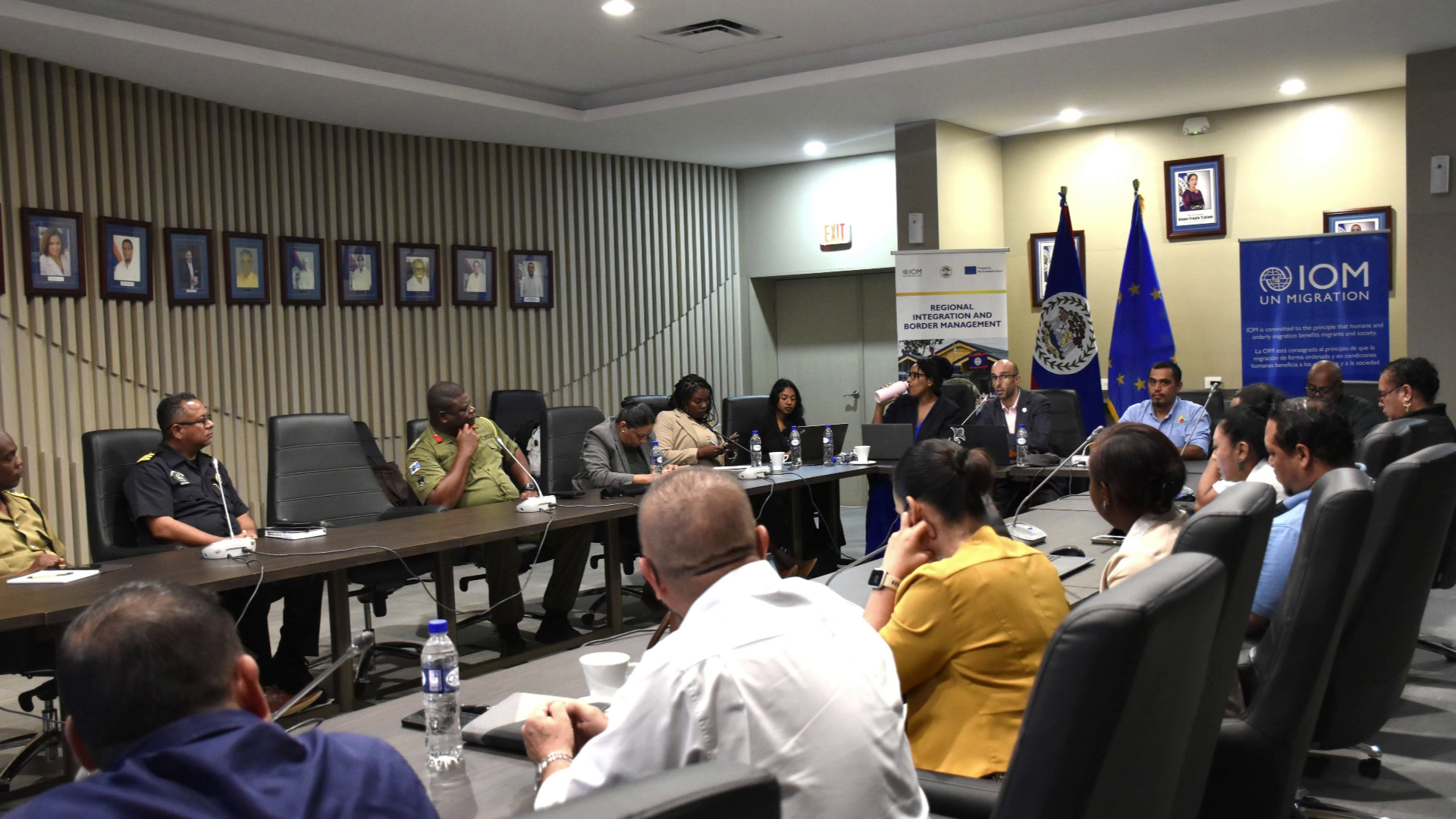
More than two decades after its last full update, Belize is set to revamp its core framework for conserving and managing its globally recognized natural assets, kicking off a comprehensive rewrite of the National Protected Areas Policy and System Plan this month. The initiative, led by Belize’s National Biodiversity Office, draws technical support from the International Organization for Migration and critical financial backing from the European Union to deliver a modernized strategy that addresses 21st-century conservation and governance challenges. The original baseline plan was last revised in 2005, leaving outdated guidelines that have not kept pace with shifting environmental pressures, evolving community needs, and new cross-border security concerns. The upcoming framework will outline a 10-year strategic roadmap for more effective stewardship of Belize’s vast forests, ecologically vital marine reserves, and culturally significant natural heritage sites. These ecosystems form the backbone of Belize’s national well-being: they safeguard clean drinking water sources, underpin the $1.8 billion tourism and commercial fishing industries, and sustain the daily livelihoods of hundreds of thousands of Belizean residents across rural and coastal communities. Beyond conservation gains, the policy update also aligns with broader national efforts to strengthen border governance, addressing overlapping challenges where unregulated cross-border activity threatens both ecological integrity and national security in remote border regions. In a break from past top-down planning processes, authorities have intentionally centered inclusivity, inviting input from a diverse cross-section of stakeholders that includes multiple government agencies, local and international environmental non-governmental organizations, grassroots community representatives, Indigenous governance groups, and private sector partners operating in conservation and tourism. Project timelines call for a complete draft of the revised policy to be released for open national public review by the end of 2026, giving all segments of Belizean society an opportunity to weigh in before the final framework is adopted.