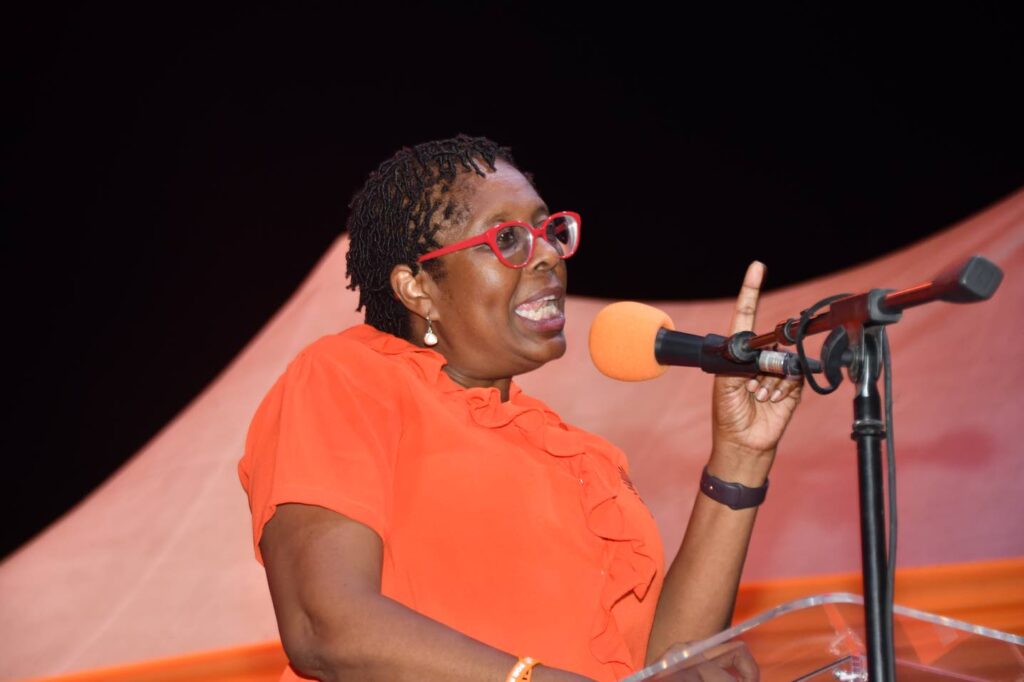
A long-simmering debate over constituency-level development financing in Jamaica has gained new momentum, with Opposition Member of Parliament Dr. Angela Brown Burke becoming the latest lawmaker from both sides of the political aisle to push for a substantial increase to the annual Constituency Development Fund (CDF) allocation.
Established to support community-centered human capital and infrastructure projects across the island’s 63 parliamentary constituencies, the CDF currently provides every elected representative with a fixed JMD 20 million per year to address local needs. This amount has not changed since 2012, a point Brown Burke emphasized during a recent CDF consultation held in her St. Andrew South Western constituency. When 2026 rolls around, she noted, the stagnant funding will only make the already difficult work of constituent representation far more challenging than necessary.
Calling the current annual allocation “a drop in the bucket” that fails to keep pace with soaring living costs and growing community demands, Brown Burke argued that the existing funding structure sets lawmakers up to fail. The wide range of responsibilities assigned to CDF recipients—from supporting low-income households to upgrading public facilities—cannot reasonably be covered with the current budget, placing elected representatives in an unfair position when constituents come to them with pressing needs.
While government guidelines often encourage MPs to pursue supplementary funding from other state agencies to fill gaps, Brown Burke dismissed that suggestion as a purely theoretical solution. Sharing her own experience with public grant programs, she recounted that after she and a local councillor sought support from the Social Development Fund years ago, staff implied that former Prime Minister Portia Simpson Miller had already secured enough funding for the area, a response that discouraged her from pursuing further assistance from the body. She added that other local councillors have faced similar persistent barriers when applying for funding from the CHASE Fund, leaving alternative state support largely out of reach for many constituency representatives.
Brown Burke did acknowledge tangible support her community has received in recent months, including assistance from corporate partners and government ministries to help families displaced by severe fires in the Majesty Gardens neighborhood. She also confirmed that her appeals for additional housing support to Prime Minister Dr. Andrew Holness and several cabinet ministers have yielded some positive results. Even with these one-off injections of funding, however, she stressed that the base CDF allocation remains far too small to tackle ongoing critical priorities spanning social housing, welfare assistance, vocational skills training, and local economic empowerment initiatives.
To illustrate the scale of the shortfall, Brown Burke pointed to social housing spending in her constituency: only JMD 1 million is allocated to the area’s three municipal divisions from the annual CDF budget, translating to just JMD 300,000 per division per year—a sum too small to make meaningful progress on unmet housing needs. In addition to boosting the core constituency allocation, she also called for higher salaries for CDF community officers, who carry out much of the on-the-ground work to implement local projects.
Brown Burke’s call comes just over a month after fellow Opposition MP Natalie Neita Garvey of St. Catherine North Central publicly raised concerns about the inadequacy of the current CDF allocation. The cross-party consensus around the need for funding increases highlights growing pressure on the Holness administration to revisit the CDF funding formula, with lawmakers arguing that a revised budget is necessary to equip representatives to effectively serve their communities.