Barbados is taking a major step forward in modernizing its public benefit delivery system, with plans to integrate the National Insurance and Social Security Service (NISSS) into the country’s new national instant payment infrastructure, BiMPay, during the platform’s second rollout phase. The integration is designed to cut wait times and streamline access to funds for pensioners and other NISSS contributors across the island.
BiMPay, the Central Bank of Barbados’ new real-time payment network, officially launched on Friday. Ahead of the system’s go-live, Central Bank Governor Dr. Kevin Greenidge confirmed that the platform would be expanded in subsequent months to connect all Barbadian government agencies to the unified payment network.
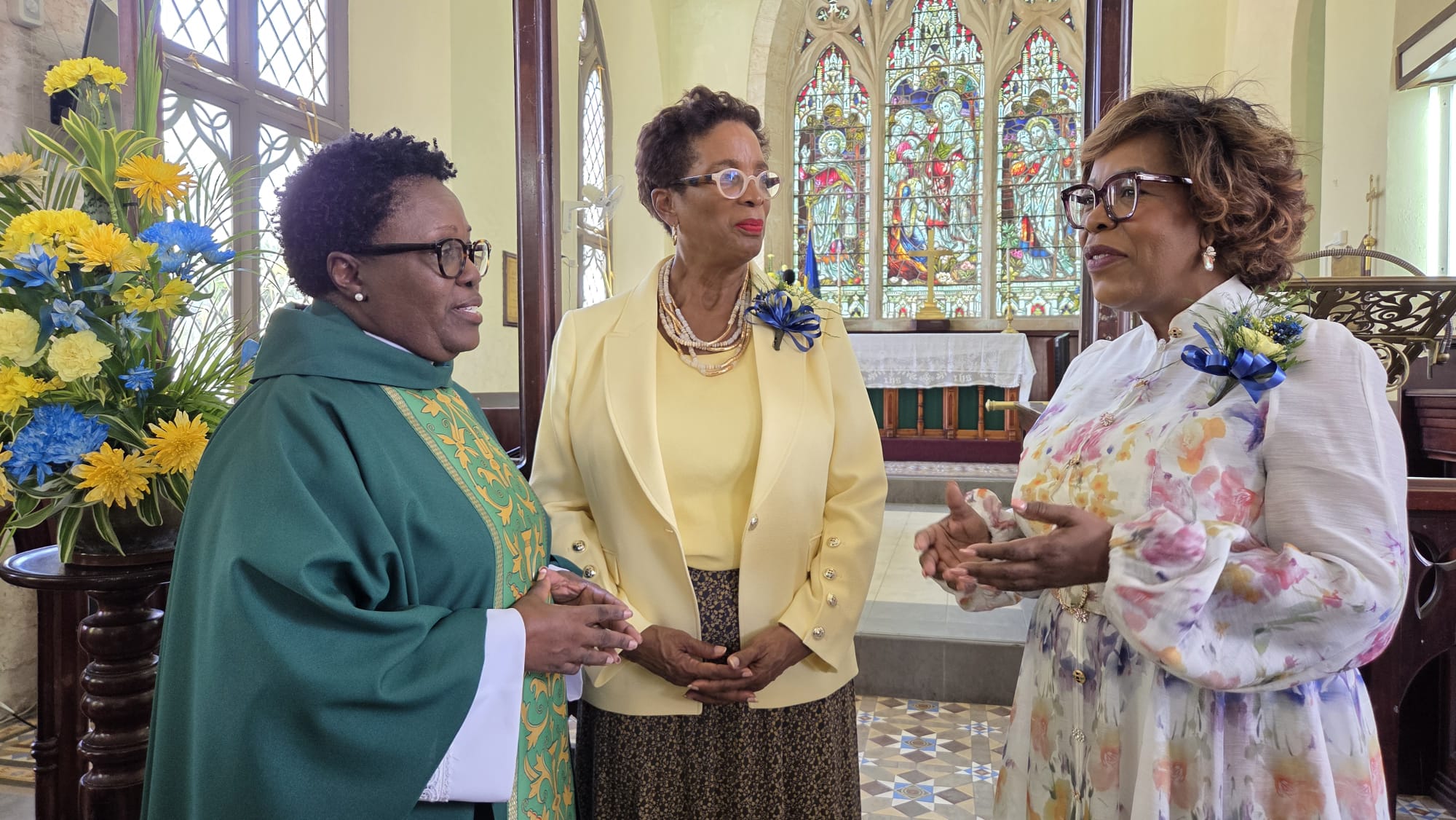
Two days after the launch, NISSS Chief Executive Officer Kim Tudor confirmed the agency’s place in the second phase of integration during a media address at the 59th anniversary church service for the NISSS, held at St Matthias Anglican Church. Tudor shared that technical preparations for the integration are already well underway, noting the system will be particularly transformative for emergency and cost-of-living support disbursements.
“We have actually started proprietary work to go live. We will be in the next phase and making good use of it, especially when we have to pay things like the cost of living cash credit. BiMPay will be very useful for things like that,” Tudor told reporters.
Tudor issued a call to action for NISSS beneficiaries who currently receive paper cheques or do not hold traditional bank accounts, encouraging them to register for BiMPay throughout June to switch to digital fund deposits. The NISSS has already simplified the sign-up process, offering a web-based form that allows applicants to upload required verification documents and complete the switch entirely online.
To ensure no older beneficiaries are excluded from the new digital system, the NISSS is partnering with the Ministry of Technological and Vocational Training to host targeted educational workshops that walk pensioners through basic BiMPay functionality. Minister Sandra Husbands confirmed that this training initiative aligns with the government’s broader national push to improve digital literacy across all age groups, which will roll out through 2024 and into early 2025.
Husbands emphasized that closing the digital divide for seniors is critical to supporting independent living for older Barbadians, noting that most seniors continue to live in their own homes rather than residential care facilities. “Seniors need to know how to use digital technology to pay their bills, receive money, make payments and other things, so this will be part of the programme that we roll out this year and early next year so that our seniors are not left behind,” she said. “Every senior cannot be housed at a residential facility, and they will need to know how to operate independently at home, and that can only happen if they use technology to enable them to continue to manage their own lives and move around only when they want to.”