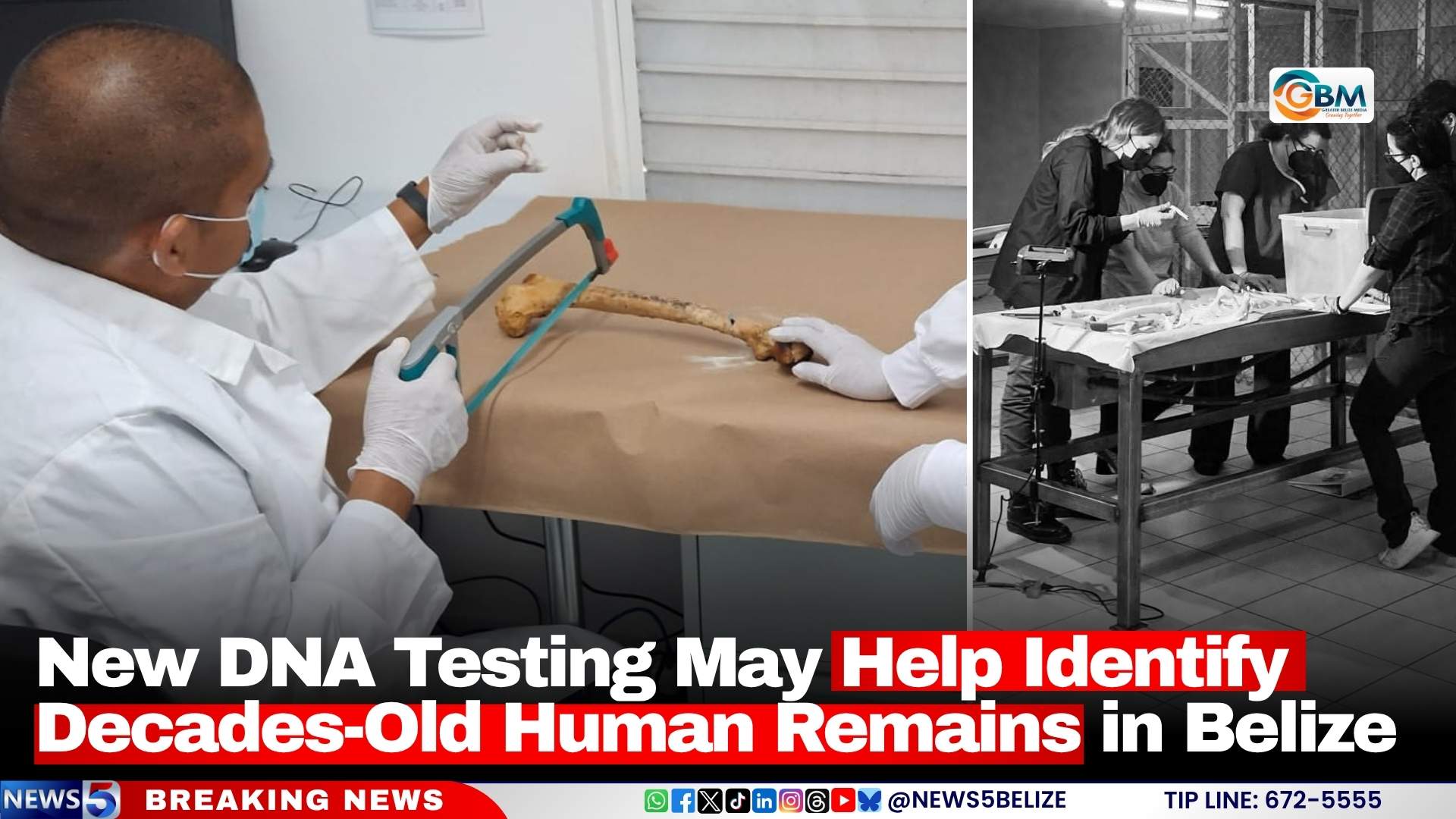
For nearly three decades, four sets of unclaimed human skeletons have laid in storage across Belize, their identities unknown, and their families left without closure. Now, a new effort by the country’s National Forensic Science Service (NFSS) is leveraging advanced genetic testing to finally put names to these remains and bring answers to waiting loved ones. The oldest of the remains dates all the way back to 1998, and decades of exposure and degradation have long rendered standard identification techniques, such as fingerprint analysis, useless. Traditional DNA testing used by the agency, which can crack recent cases in just 48 hours, also fails to extract usable genetic material from these aged bones. To overcome this barrier, forensic investigators are turning to mitochondrial DNA testing, a specialized method proven to recover viable genetic information even from severely degraded biological samples. NFSS Executive Director Gian Cho explained that once genetic profiles are generated from the remains, the team will cross-reference the data against the country’s missing persons database, which has been systematically standardized since 2013. Investigators will narrow potential matches by cross-checking key details: biological sex, estimated age at death, ancestry, height, and documented skeletal trauma that matches reports from missing person cases. Cho noted that the 2013 standardization push created consistent, complete case files that preserve critical contextual information, even for remains recovered years before the database overhaul. For many Belizean families, the new initiative comes as a long-awaited beacon of hope, even as new missing persons cases continue to add to the country’s growing roster of cold cases. Just last year, 38-year-old Mason Patnett vanished from his home in Vista Del Mar, leaving his relatives trapped in a cycle of uncertainty. Just under three months ago, Deborah “Bree” Arthurs, a call center employee, disappeared while traveling to her home in Belmopan. Relatives of both missing people fear their cases will also become cold, joining the ranks of the unidentified remains the NFSS is now working to solve. Speaking to local outlet News 5 this past January, a member of Patnett’s family described the constant emotional toll of not knowing their loved one’s fate. “Every time we hear of a potential body or anything like that, we’re going to go through the same emotions every single time,” they said. “We just want to find him at this point.” The NFSS’s new genetic testing project marks one of the most comprehensive efforts to address Belize’s backlog of unidentified remains, offering the possibility of closure for dozens of families who have waited years — even decades — for answers.