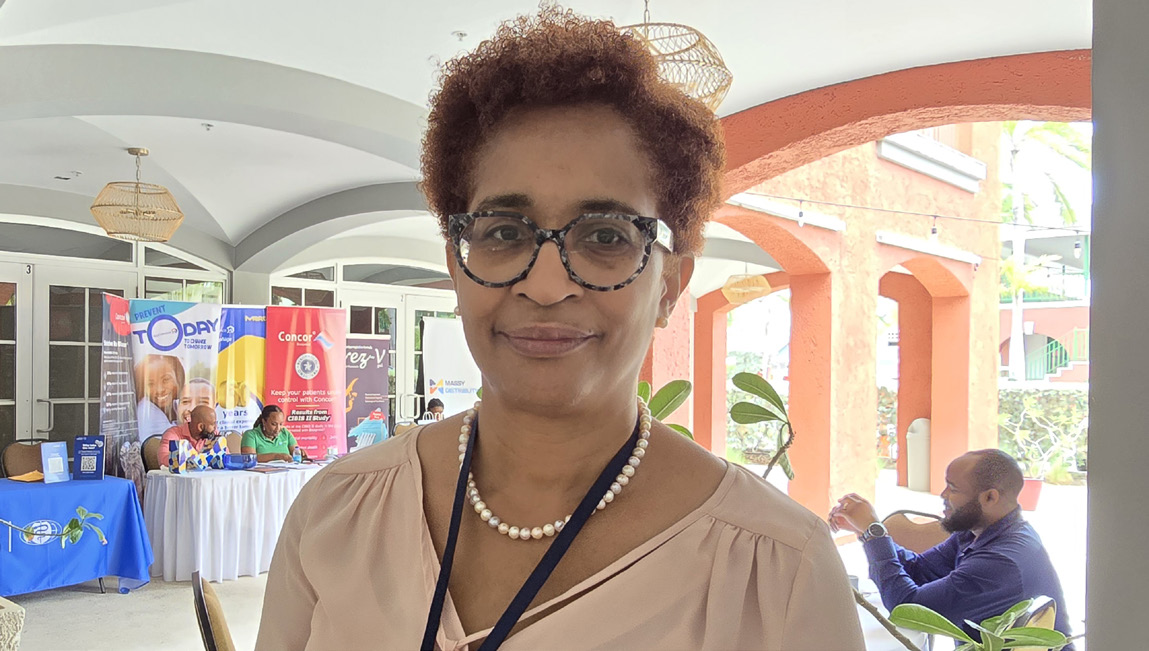
Low public health literacy has emerged as one of the most pressing public health challenges facing Barbados, the president of the Barbados Association of Medical Practitioners (BAMP) has warned, noting that misinformation around lifestyle conditions is driving dangerous health complications across the island nation.
In an exclusive interview with local outlet Barbados TODAY, BAMP President Dr. Lynda Williams explained that health literacy – the public’s ability to source, evaluate and understand accurate health information – remains a systemic failing in Barbados, with distrust in official health sources growing dramatically in the wake of the COVID-19 pandemic.
“In the post-COVID period, we’ve seen a huge rise in skepticism and cynicism around official health information and institutional sources,” Williams said. “A large share of the population now gets most of their health guidance from unreliable platforms, from YouTube to random Google search results, and most people lack the skills to tell evidence-based information apart from harmful falsehoods. This leads to dangerous misconceptions around everything from basic health to the importance of adhering to prescribed medication.”
Williams noted that widespread reliance on unvetted online sources was a major driver of care avoidance and vaccine hesitancy during the height of the COVID-19 outbreak. While some recovery has been observed in recent years, the aftermath of that period continues to impact population health.
“We are starting to see positive shifts: more parents are bringing their children in for routine vaccination, and more people are coming forward for preventive health checks,” she said. “We had a two-year lag where care was delayed, and as a result we’ve seen a sharp increase in late-stage cancer diagnoses, because people put off routine screenings that catch the disease early. We are now slowly getting back to pre-pandemic patterns of care, but the damage from those delays will be felt for years.”
Addressing the health literacy gap remains an urgent priority, particularly for younger generations, Williams stressed. She argued that building health literacy must begin in childhood to equip people with critical evaluation skills long before they encounter misinformation online.
“Health literacy is one of the biggest barriers we face in Barbados right now. To overcome it, we have to start with children, teaching them from an early age how to spot reliable health information and identify when claims are misleading or dangerous,” she said.
Williams urged Barbadians to prioritize health guidance from trusted, evidence-based institutions and practicing medical professionals rather than relying exclusively on unmoderated online content. She named the World Health Organization, Pan American Health Organization, U.S. Centers for Disease Control and Prevention, and Barbados’ own Ministry of Health and Wellness as credible starting points for health information, and encouraged people to discuss any online claims they encounter with their personal physician.
The BAMP president warned that many circulating health falsehoods carry life-threatening consequences, pointing to a recent viral example spread across Barbadian social media that claimed salt could cure hypertension – a claim that is entirely unsupported by medical evidence.
“It was completely wrong, but because the person posting the video wore a white coat to look legitimate, many people believed it,” Williams said.
She emphasized that anyone considering following health advice found online should first confirm it with a qualified medical provider, rather than trusting guidance from friends or anonymous online creators.
“Your friends have good intentions, but they don’t have medical training, and we also see a huge amount of misleading advertising for supplements and unproven health products here in Barbados that confuses people even more,” Williams added. “These misleading claims erode public understanding of common conditions from asthma to chronic obstructive pulmonary disease (COPD), and leave people unaware of how critical early treatment is to prevent fatal outcomes.”
The challenge of improving health literacy has grown even more pressing as Barbados continues to grapple with a rising burden of non-communicable diseases (NCDs), Williams noted.
Her comments came during BAMP’s annual medical education conference, held this year under the theme “Navigating Non-Communicable Diseases from a Caribbean Perspective.” At the event, hundreds of regional medical professionals gathered to discuss a wide range of NCDs beyond the commonly cited diabetes and hypertension, including adult and childhood obesity, asthma, COPD, kidney disease, strokes, heart attacks, and heat-related illnesses driven by climate change.
Williams added that the conference was not only focused on refining clinical treatment options for these conditions, but also on building a collective advocacy push for public health policy changes that can reduce the national burden of chronic disease and improve long-term health outcomes for all Barbadians.