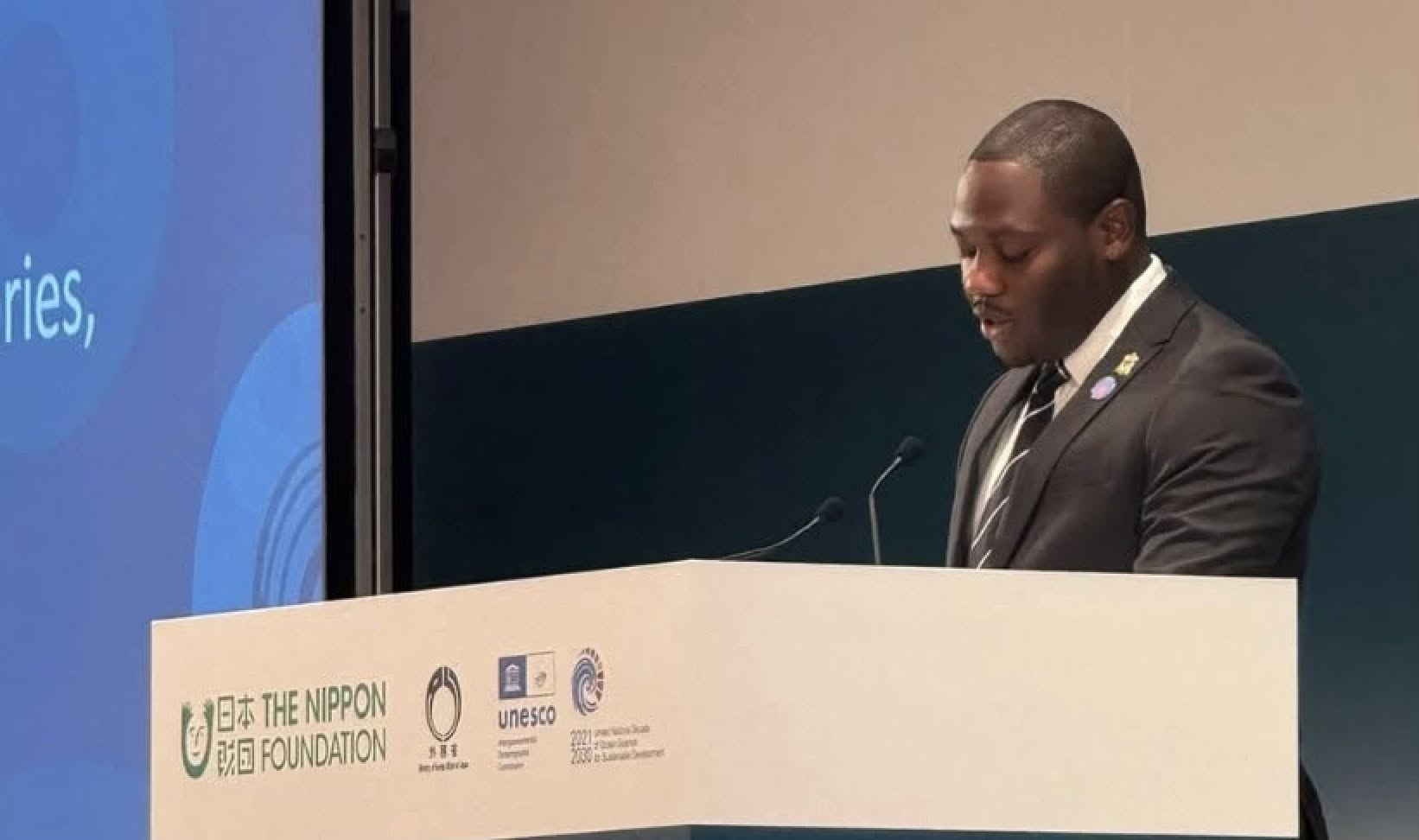
The twin-island Caribbean nation of Antigua and Barbuda has formally opened discussions with Japan to secure targeted development support for two of its most critical economic sectors: fisheries and agriculture. As small island developing states (SIDS) heavily reliant on ocean resources and domestic food production, Antigua and Barbuda faces unique structural challenges that have held back the full potential of these key industries. These challenges range from outdated infrastructure and limited access to advanced sustainable fishing technologies to climate-driven shifts in weather patterns that disrupt crop yields and threaten coastal fish populations.
Government officials from Antigua and Barbuda have outlined that the proposed partnership with Japan would focus on three core areas: upgrading fishing port facilities to improve post-harvest handling and reduce waste, introducing climate-resilient crop varieties and sustainable farming practices, and providing technical training for local small-scale producers and fishers. The Caribbean nation has emphasized that strengthening these two sectors is central to its long-term food security strategy, as it currently relies heavily on imported food products that drive up domestic living costs and leave the country vulnerable to global supply chain disruptions.
Diplomatic sources note that Japan has a long history of supporting sustainable development initiatives across the Caribbean region, through both official development assistance (ODA) programs and public-private partnership projects focused on climate adaptation and economic empowerment for local communities. Antigua and Barbuda’s leaders have expressed confidence that the collaboration will not only improve productivity in fisheries and agriculture but also open new opportunities for exporting high-quality regional products to Asian markets, boosting the nation’s foreign exchange earnings and creating new local jobs.
Discussions between the two governments are still in the early stages, with both sides expected to finalize the details of funding, project timelines, and implementation frameworks in the coming months. If the agreement moves forward as planned, it is expected to serve as a model for other small island developing states seeking targeted international support to build resilient, sustainable local economies in the face of global climate change.