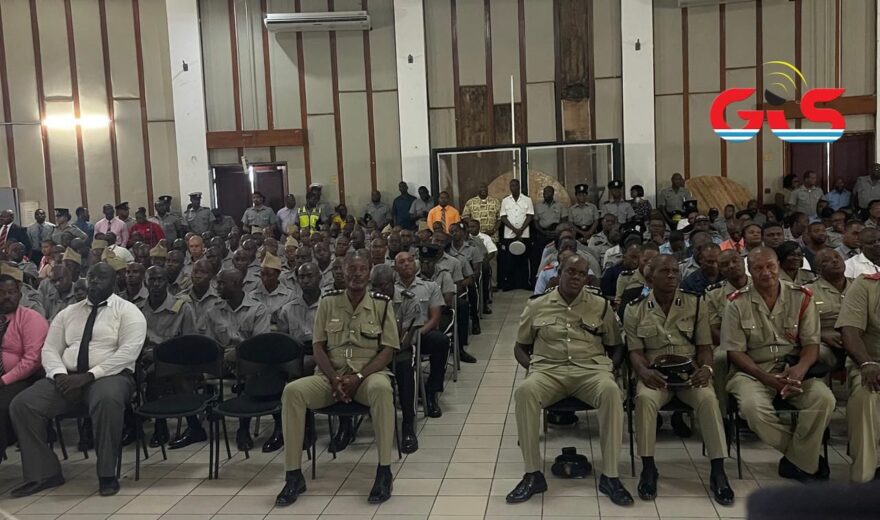
Law enforcement agencies in Antigua and Barbuda have unveiled a groundbreaking proactive enforcement strategy aimed at closing the gaps that allow criminal offenders to operate unseen across the twin-island nation. Christened Operation Iron Grip, the new initiative centers on three core pillars: targeted intervention in high-crime areas, boosted police presence in public spaces, and coordinated efforts to block the movement of criminal groups across the country. Deputy Commissioner of Police Albert Wade, the official leading the rollout of the program, outlined the framework in an exclusive interview with Observer Radio’s *Voice of the People* segment. Wade explained that extensive internal analysis by the police force has revealed that the majority of offenses committed across Antigua and Barbuda follow consistent, traceable patterns. This insight has led leadership to pivot from traditional reactive law enforcement models to a proactive approach that goes far beyond the limited impact of routine random patrols. “Contrary to common perception, crime is not an unpredictable, random occurrence. We firmly believe it can be forecast and interrupted before it takes place,” Wade stated. Under the new operational model, officers will be strategically deployed to high-risk zones to disrupt potential criminal activity before any offense is committed. A key focus of the operation will be cracking down on opportunistic crimes, which account for a large share of everyday offenses across the nation. To achieve this, police will implement enhanced vehicle and pedestrian checks at critical transit points throughout the country. “Criminals will no longer be able to travel freely between hotspots: if you move through any key area, you can expect to be stopped and vetted by an officer,” Wade noted. Beyond increased enforcement, the Deputy Commissioner emphasized that the initiative also prioritizes deeper, more meaningful connections between police and the communities they serve. Operation Iron Grip will expand the country’s community policing framework by expanding the role of district liaison officers, who will be tasked with building closer working relationships with local residents and at-risk young people. According to police leadership, the overarching long-term goals of the new strategy extend beyond immediate crime reduction: the operation aims to strengthen national crime prevention infrastructure, repair and deepen trust between law enforcement and local communities, and drive a sustained reduction in all types of criminal activity across Antigua and Barbuda.