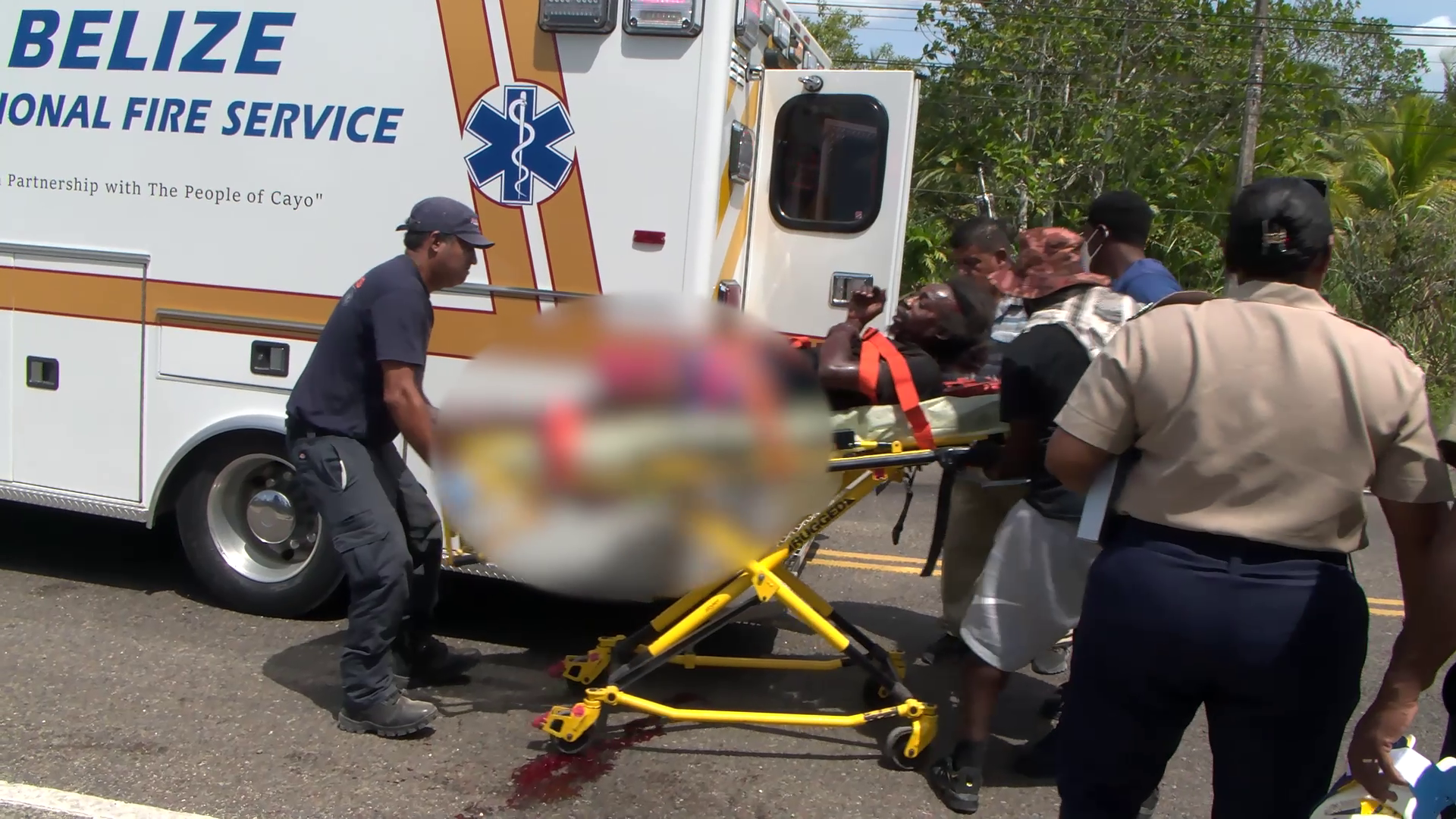
A devastating weekend of road accidents that claimed seven lives across Belize in early June 2026 has pulled back the curtain on a far larger, underreported crisis plaguing the nation’s roadways, one that imposes a quiet but steep financial burden on ordinary taxpayers. While the seven fatalities from five separate collisions dominated local news cycles, official data shows these tragic deaths represent only the most visible portion of a persistent public safety issue that costs the public millions annually in uncompensated emergency care.
Investigative reporter Shane Williams from local outlet News Five conducted an in-depth probe into the hidden costs of Belize’s persistent road chaos, revealing that fatal crashes are just the tip of the iceberg. Full-year 2025 traffic data from national law enforcement records more than 3,300 recorded road traffic accidents across the country – only 94 of which resulted in fatalities. The vast majority of non-fatal collisions never make regional or national headlines, but they still generate cascading costs that ultimately fall to the public.
When reached for comment following the fatal June 2026 weekend, Assistant Commissioner of Police Hilberto Romero, head of the National Crime Investigation Branch, noted that no “major incidents” beyond the fatal crashes were reported during the holiday period, a framing that underscores how non-fatal collisions are routinely sidelined in official and public discourse.
Most non-fatal crashes with serious injuries require emergency treatment at Belize’s largest public healthcare facility, the Karl Heusner Memorial Hospital (KHMH). Data obtained by News Five from KHMH for the first two months of 2026 lays bare the growing financial strain these accidents place on the public health system. Between January and February alone, the hospital treated 150 patients injured in road traffic accidents, running up a total treatment cost of more than $95,000 Belize dollars – $54,000 in January and $41,000 in February.
Worryingly, hospital officials have only managed to collect roughly 45% of that total amount, equal to $43,200. That leaves more than $51,000 in uncompensated care from just two months, a deficit that accumulates over the course of the year and is ultimately covered by public tax revenue. For Belizean residents, that means every unreported road collision indirectly adds to the tax burden that comes out of their own household budgets, even when they are not involved in a crash themselves.
The deadly June weekend has reignited public calls for targeted road safety reforms to address the growing crisis, which claims nearly 100 lives annually and drains millions from public coffers each year through uncompensated emergency care. Advocates argue that the hidden financial cost of road accidents makes systemic safety improvements not just a public health imperative, but a fiscal necessity for the small Caribbean nation.