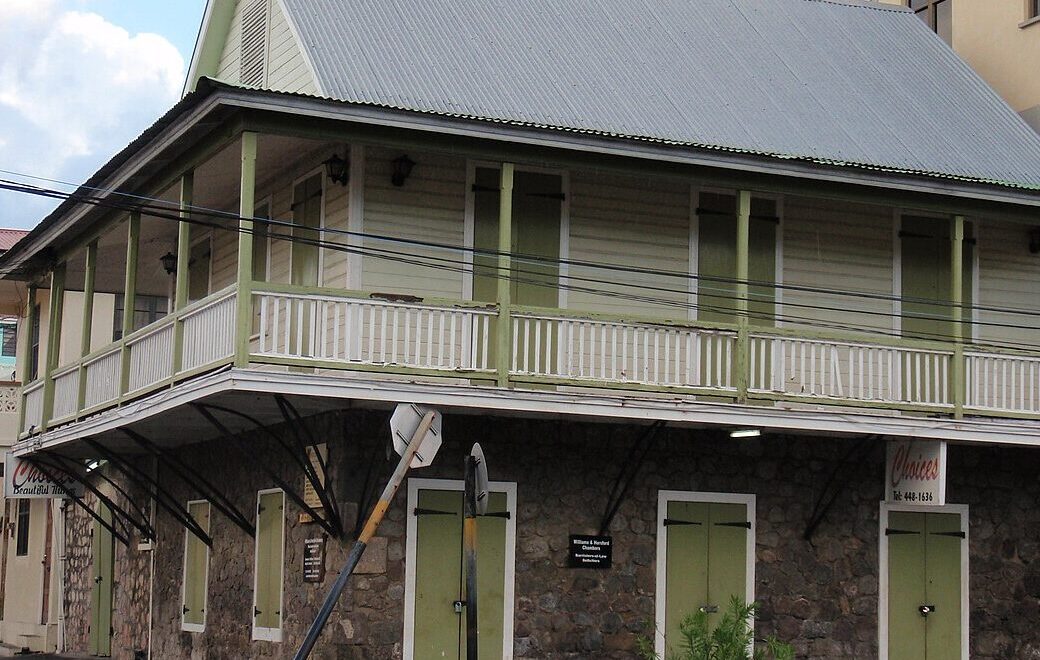
Across the Caribbean, irreplaceable cultural heritage — from centuries-old wooden architecture to unwritten ancestral histories — faces growing threats from accelerating climate change, unregulated development, and decades of systemic neglect. In response to this urgent regional challenge, cultural practitioners from four Caribbean territories gathered recently for a cross-regional dialogue hosted at the launch of *Artefacts of Jamaica*, a landmark digital heritage initiative supported by the Caribbean Culture Fund (CCF).
The CCF, a regional organization that backs community-led cultural work through grant funding and skills-building opportunities, has made expanding public access to Caribbean arts and protecting at-risk heritage central to its mission. The gathering brought together heritage workers from Jamaica, Dominica, the U.S. Virgin Islands, and Saba to collectively explore collaborative strategies for protecting the Caribbean’s diverse cultural memory, with a particular focus on the region’s distinctive architectural history.
Three CCF grant finalist projects, each taking unique approaches to preservation, took center stage at the event, all tied to the shared goal of centering community ownership of Caribbean history. The first, the Resilient Houses Project led by Sharifa Balfour, investigates the shared traditional architectural heritage of Saba and Dominica. Balfour’s work examines how generations-old wooden construction techniques are inherently tied to climate resilience, cultural identity, and sustainable development — far more than just historical relics.
Through cross-community research exchanges, public exhibitions, hands-on restoration work, and digital storytelling, the project documents how traditional building methods evolved to let communities adapt to extreme local environmental conditions over hundreds of years. “It’s not just safeguarding our history and culture,” Balfour explained at the launch. “It’s really saving our identity.”
Alongside Balfour’s project, Jamaican visual artist and CCF grantee Idris Veitch debuted *Artefacts of Jamaica*, a pioneering open-access digital archive dedicated to documenting Jamaica’s threatened architectural history. The initiative prioritizes recording historic buildings that are deteriorating, at risk of demolition, or already lost to extreme weather. Veitch noted that one landmark documented in the archive, Waterloo House, was completely destroyed by Hurricane Melissa in late 2026, underscoring the urgent need for rapid documentation. Too often, he argued, historic structures are overlooked by local communities who pass them daily without recognizing their cultural significance. “People walk past them as if they’re in the background, when there’s so much history behind them,” he said.
The third project featured at the dialogue was presented by Stephanie Chalana Brown, a photographer and cultural archivist from the U.S. Virgin Islands. Her work, *Claiming Spaces: The African Story of the Sugar Mill*, reframes the history of St. Croix’s historic sugar mills by centering the experiences of the enslaved African people who built and operated them. Combining documentary photography, oral history interviews, genealogical research, and community engagement, Brown’s work challenges the colonial narratives that have long dominated interpretations of these iconic sites. “The tangible and material evidence provides a framework for us to say that we built this,” Brown said. “Because our ancestors were able to endure, we still exist.”
While the three initiatives range from architectural research to digital archiving to diaspora narrative reconstruction, participants emphasized that all share a core mission: deepening the connection between modern Caribbean communities and the histories, landscapes, and traditional knowledge that define the region’s shared identity.
The dialogue also surfaced a key practical barrier to long-term preservation work: participants agreed that consistent, sustained institutional funding and support remain largely out of reach for most independent cultural practitioners, who often carry out critical documentation and research with limited resources.
As the CCF press release summarized, the gathering made clear that Caribbean cultural workers do far more than just record the past. They actively help communities reclaim their heritage, assert ownership of their own histories, and carry these traditions forward for future generations. As Veitch noted, artists often act as translators, making complex cultural and historical narratives accessible to broad audiences and ensuring that the stories, places, and practices that shape Caribbean identity remain visible for coming generations.
The CCF reaffirmed its commitment at the event, stating that cultural preservation will remain a central priority for its regional programming moving forward. More information on all projects and CCF grant opportunities is available at caribbeanculturefund.org.