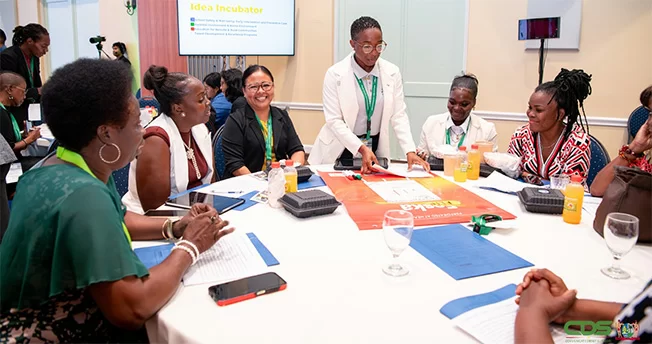
When stakeholders gathered in Paramaribo this June for the opening of Suriname’s 2026 National Education Congress, a clear, unifying message took center stage: education must act as the foundational engine powering the South American nation’s economic expansion, social progress, and long-term sustainable development. Running from June 8 to 10 at the Royal Ballroom of Hotel Torarica, the three-day summit brings together senior policymakers, leading education researchers, international development partners, and civil society organizations to align on priorities for investing in Suriname’s human capital, building on years of national and global conversations about the future of learning and workforce development in the country. This year’s theme, “Education: A Path From Poverty to Growth and Progress,” frames the discussion around an urgent push to reorient national policy around equitable, accessible learning for all.
Speaking to delegates on the opening day, Minister of Education, Science and Culture Dirk Currie pushed back on the common framing of education spending as a discretionary cost, arguing instead that every dollar invested in learning is an investment in Suriname’s long-term national future. “A well-educated population is the very bedrock of economic growth, sustainable development, and the delivery of our national development strategy,” Currie said, per Suriname’s Communication Service. “We cannot leave anyone behind. Education must be accessible to every person, and every person must get a fair chance to succeed.” Currie emphasized that a resilient, effective education system starts with well-trained, motivated educators, redefining the role of modern teachers as not just instructors, but mentors, coaches, role models, and sources of inspiration for young learners. He also called for a sweeping update to Suriname’s national curriculum to center 21st-century priorities including civic education, leadership development, entrepreneurship, inclusive learning, multilingual education, and targeted early support for at-risk students.
Minister of Youth Development and Sport Lalinie Gopal echoed Currie’s call for equal opportunity, urging a broad national dialogue on human capital development and highlighting the critical need for safe, supportive learning environments where children can learn, grow, and nurture their unique talents. Gopal also drew attention to a growing public health crisis impacting Suriname’s youth: alarming rates of poor mental health, with new research showing 36% of young people in the country have experienced suicidal thoughts at some point in their lives. “These numbers must be a wake-up call for all of us,” Gopal told delegates. In response, the government is expanding investments in life skills training, psychosocial support services, and the national GRO Program (Growth, Direction, and Development), an initiative that leverages sport as a core tool for holistic youth development.
Adriana La Valley, country representative for the Inter-American Development Bank (IDB), echoed the summit’s core message, calling education the cornerstone of both economic development and social cohesion in Suriname. “Education should not be treated as a siloed sector – it is the backbone of the national economy and a strong, united society,” La Valley said. She praised the high level of cross-sector engagement at the congress, noting that most of the challenges Suriname faces in education are shared by countries across the globe, from securing sustainable long-term education funding to improving learning quality and fostering collaborative accountability between governments, the private sector, and civil society. Like Currie and Gopal, La Valley emphasized the commitment to leaving no child behind, calling for better-trained educators equipped to meet the diverse learning needs of all students, so every learner has the chance to reach their full potential.
By the close of the congress’s opening day, a broad consensus had emerged among all participating groups: sustainable national development starts with investing in people. Across government, the international development community, and civil society, education is widely recognized as the single most powerful tool to reduce poverty, drive inclusive economic growth, and secure a prosperous future for Suriname and its people.