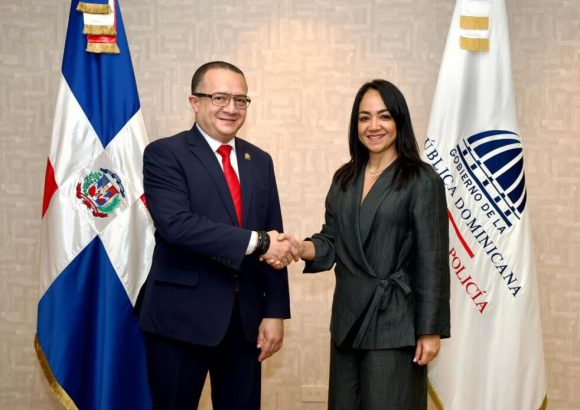
In a step aimed at boosting public safety cooperation across Central America and the Caribbean, Costa Rica’s Minister of Public Security Gerald Campos has completed an official working visit to the Dominican Republic, focused on studying the Caribbean nation’s award-winning approach to combating transnational and domestic crime. The core focus of Campos’ trip was examining the Dominican Republic’s landmark Joint Task Force coordination model, a integrated governance framework widely recognized for driving measurable reductions in the country’s overall crime and homicide rates over recent years.
During the visit, Campos held in-depth working meetings with Dominican Republic’s Minister of Interior and Police Faride Raful, alongside a cohort of senior national security officials. The talks created a collaborative space for both nations to share on-the-ground experiences across critical public safety domains, including community-focused crime prevention, protection of civilian citizens, and the expansion of frontline operational response capabilities. Beyond formal discussions, the Costa Rican delegation was invited to attend an operational monitoring session of the Joint Task Force hosted at Dominican National Police headquarters, giving delegates a first-hand opportunity to observe how civilian government agencies, national police units, and military branches synchronize their efforts to disrupt organized criminal activity.
In remarks following the site visit, Campos offered high praise for the tangible outcomes delivered by the Dominican Republic’s integrated public security system. He specifically noted that Costa Rica is in the process of developing its own dedicated national anti-crime task force, and his government is eager to adapt key successful components of the Dominican model to fit Costa Rica’s domestic security context. Campos’ packed official agenda also included separate talks with Dominican Defense Minister Carlos Antonio Fernández Onofre, as well as a guided tour of the Armed Forces’ advanced C5i command center. During the tour, the Costa Rican team explored cutting-edge technological and intelligence tools that Dominican security forces rely on to plan and execute targeted security operations.
Security analysts note that this bilateral visit does more than just share policy knowledge: it strengthens long-standing cooperative ties between the Dominican Republic and Costa Rica, as both nations work together to tackle shared regional security challenges. Rising transnational organized crime, drug trafficking, and public safety threats have created a growing need for cross-border knowledge sharing in the region, making this exchange a timely step toward more effective regional public safety governance.