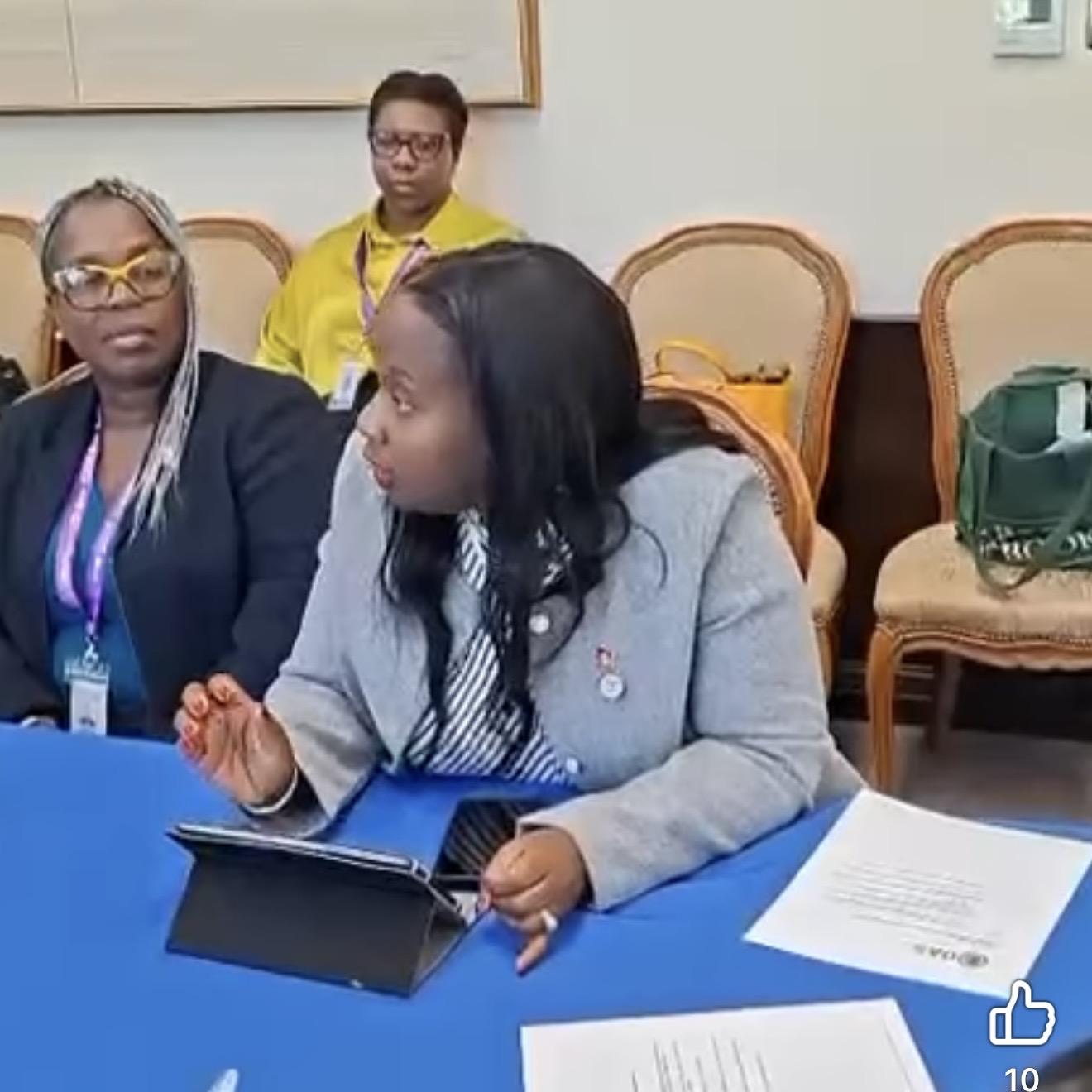
Against a backdrop of ongoing efforts to advance inclusive sustainable development across the Caribbean, Antigua and Barbuda’s Minister Kiz Johnson has issued a clear call to regional leaders: deepen cross-border cooperation to unlock women’s economic empowerment, framing universal financial inclusion as a non-negotiable foundation for long-term regional progress.
Johnson shared this stance during a high-stakes ministerial dialogue focused on Caribbean development priorities, emphasizing that closing gender gaps in economic opportunity cannot be shouldered by a handful of nations. It is, she argued, a collective responsibility that every country in the region must uphold.
“Antigua and Barbuda firmly holds that one of the most critical pillars of sustainable Caribbean development is expanding financial inclusion and driving the economic empowerment of women,” Johnson stated during the dialogue. “We also believe this is not the obligation of a single state or a small group of states. It is a shared responsibility that belongs to all of us.”
Johnson went on to address a key structural imbalance across the region’s most vital economic sector. While tourism continues to serve as the primary engine of economic growth for nearly all Caribbean nations, including Antigua and Barbuda, women remain overwhelmingly concentrated in low-wage, low-ranking roles within the industry — even in contexts where formal barriers to women’s labor force participation have been eliminated.
“In Antigua and Barbuda, just like in many of our neighboring states, tourism drives our national economy,” Johnson explained. “Even as we can point to having few to no formal barriers keeping women from joining the workforce, we have clearly observed that women are overrepresented in lower-paid, lower-hierarchy positions across that key industry.”
At the national level, Johnson confirmed that the Antigua and Barbuda government has elevated women’s economic advancement to a top policy priority, with targeted investment and policy focus on two key areas: supporting women-led entrepreneurship, and expanding equitable access to financing for women business owners and workers. She noted that these two levers are central to closing the existing gender gap in economic opportunity across the country.
“Our government takes this challenge extremely seriously, so we have made women’s economic advancement a core priority, with a focused strategy on growing entrepreneurship and improving access to financing — that is the key to meaningful change,” Johnson added.