From May 30 to June 6, 2026, the historic city of Samarkand, Uzbekistan played host to the 8th Assembly and Associated Meetings of the Global Environment Facility (GEF), drawing official delegations from all 186 of the institution’s member nations. Among the participating countries was the Caribbean small island nation of Grenada, which used the high-profile global gathering to center the unique needs and priorities of Small Island Developing States (SIDS) as the GEF opens its ninth four-year funding cycle.
As the GEF’s top decision-making and governing body, the Assembly only convenes once every four years. This year’s meeting marked the official launch of the GEF-9 funding cycle, which will run from 2026 through 2030, and established the framework for the body’s new integrated Nature–Climate–Pollution agenda that will shape all global environmental financing activities for the next four years.
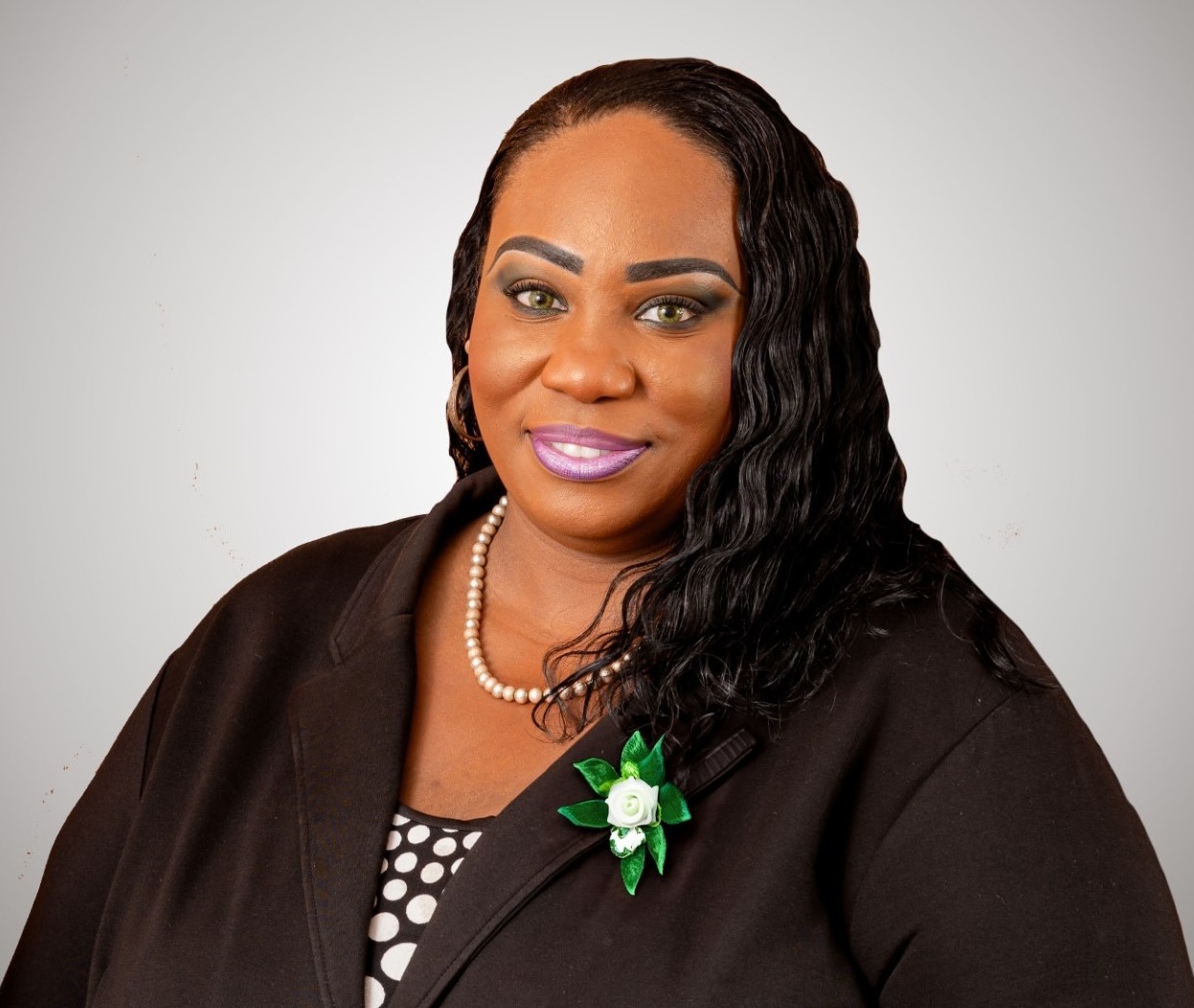
Grenada’s three-person delegation to the Assembly included High Commissioner to the United Kingdom Rachér Croney, GEF Operational Focal Point Nicole Clarke-Gurley, and alternate Operational Focal Point Isabel Morris. Over the course of the week-long meetings, the delegation carried out a broad range of diplomatic and policy engagement: it delivered Grenada’s official national statement to the plenary, took part in high-level panel discussions including a focused session on the function of National Steering Committees, and joined delegations from Nigeria and Trinidad and Tobago for the official side event titled “Leaving No Country Behind”. On the sidelines of the main Assembly sessions, the delegation also held working meetings with representatives from the GEF Independent Evaluation Office and the body’s partner implementing agencies.
A core focus of Grenada’s engagement throughout the Assembly was elevating the longstanding priority issues of SIDS, which are disproportionately vulnerable to climate change and environmental degradation despite contributing minimally to global emissions. The delegation pushed for major reforms to make global environmental finance more accessible, calling for simpler application processes and faster disbursement of funds to meet SIDS’ urgent needs. It also advocated for stronger global recognition of SIDS as equal co-designers of environmental projects, rather than passive recipients of funding, and called for consistent, long-term investment in building local institutional and operational capacity to sustain environmental outcomes.
The Grenadian delegation welcomed the GEF-9 cycle’s commitment to a Whole-of-Society Approach, which includes expanding direct access to financing for Indigenous Peoples, local community groups, women-led organizations, and youth initiatives. It also reaffirmed Grenada’s full commitment to meeting the 30 x 30 biodiversity target laid out in the Kunming-Montreal Global Biodiversity Framework, which commits signatory nations to protecting 30 percent of global land and water areas by 2030.
“Grenada came to Samarkand to ensure our voice is heard at the table upstream, where global priorities are set and funding decisions are shaped,” Clarke-Gurley said in remarks following the delegation’s participation. “Our focus for GEF-9 is delivering innovation and high, practical impact that the ordinary Grenadian can actually feel in their daily lives, backed by robust local capacity to sustain results long after a project wraps up.”
Back home, Grenada has already taken concrete steps to translate the outcomes of the Samarkand Assembly into national action. The government has established a dedicated National Steering Committee to oversee GEF-9 project identification and build a more balanced national environmental project portfolio. By early July, the committee will issue a public call for project proposals to relevant government ministries, covering priority areas including climate change adaptation and mitigation, ocean conservation and the blue economy, water resource management, and waste reduction. All submitted proposals will be required to align with Grenada’s National Sustainable Development Plan 2035 and the country’s medium-term national action plan.
Once the country’s STAR allocation — the GEF’s system for allocating funding to member states — is formally confirmed in July, Grenada will deepen its collaboration with implementing agencies, prioritizing projects that incorporate innovation, digitalization, on-the-ground capacity building, and stronger national oversight of project delivery. These coordinated planning steps reflect Grenada’s clear commitment to turning the global commitments agreed in Samarkand into tangible, long-lasting benefits for all Grenadian citizens, according to the Office of the Prime Minister.