Public health advocates from Barbados are sounding a urgent alarm over a growing public health crisis across the Caribbean: rising childhood obesity fueled by skyrocketing consumption of ultra-processed foods, driven by predatory marketing targeted at young people inside school campuses.
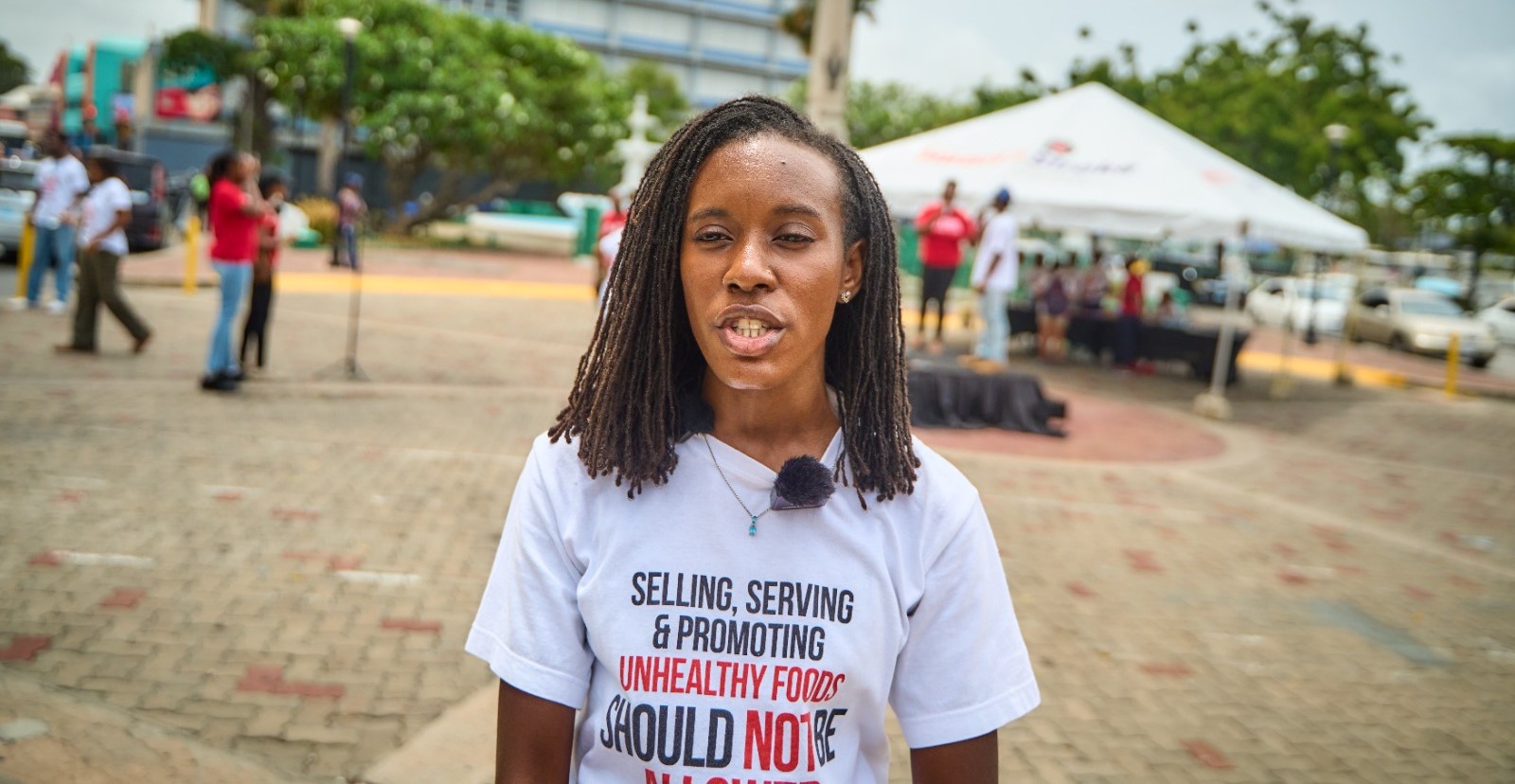
Kabira Foster, Youth Advocacy Officer with the Heart & Stroke Foundation of Barbados, shared the warning on the sidelines of the third annual Hope for the Future event, held Saturday in Bridgetown’s National Heroes Square. The gathering, a core component of the foundation’s ongoing Make It Make Sense 2.0 public health campaign, was organized to shine a spotlight on predatory advertising of unhealthy food and drinks to children and push for systemic changes to create healthier learning environments across the island’s schools.
Decades of public outreach have worked to embed healthier eating habits among young Barbadians, but aggressive industry marketing continues to undermine progress, Foster explained. The foundation’s core mission is to guarantee schools remain safe, supportive spaces where children can learn, grow and develop long-term healthy habits—and junk food marketing is actively eroding that goal.
“The root of this issue is the steady infiltration of marketing for these unhealthy food and beverage products on school grounds,” Foster said in an interview with Barbados TODAY. “We are seeing a sharp uptick in consumption of these ultra-processed items, and that is directly driving the increase in childhood obesity rates we are observing right here in Barbados, and across the entire Caribbean region.”
The Hope for the Future initiative was launched shortly after the Barbados government implemented its landmark School Nutrition Policy in 2023. The first gathering brought together a cross-sector group of stakeholders: student representatives, national policymakers, school canteen operators, and public health advocates, to map out pathways for building nutritious, supportive food environments for school-age children. Last year’s event built on that foundation, and this year’s iteration shifted focus to the specific, underaddressed threat of junk food marketing within school campuses.
“Hope for the Future 3.0 centers specifically on the threat of unhealthy food and beverage marketing in our schools, and the urgent need for restrictions on this advertising to protect children from the well-documented harms of poor dietary habits,” Foster noted.
Throughout the day of the event, organizers ran hands-on public engagement activities and one-on-one interviews with attendees, to measure public attitudes toward junk food advertising and better understand how marketing shapes children’s current eating habits.
“We’ve had incredibly productive conversations and engagement with members of the public, who were easily able to name the specific marketing tactics brands use within school walls to lure children and push them to consume more of these unhealthy products,” Foster said. Organizers are also collecting public input on policy and community measures that could be put in place to rein in predatory marketing and make it easier for young people to choose nutritious options.
The campaign builds on global public health research that links exposure to junk food marketing in childhood to long-term higher rates of obesity, heart disease, and type 2 diabetes, conditions that place growing strain on public health systems across small island developing states like Barbados.