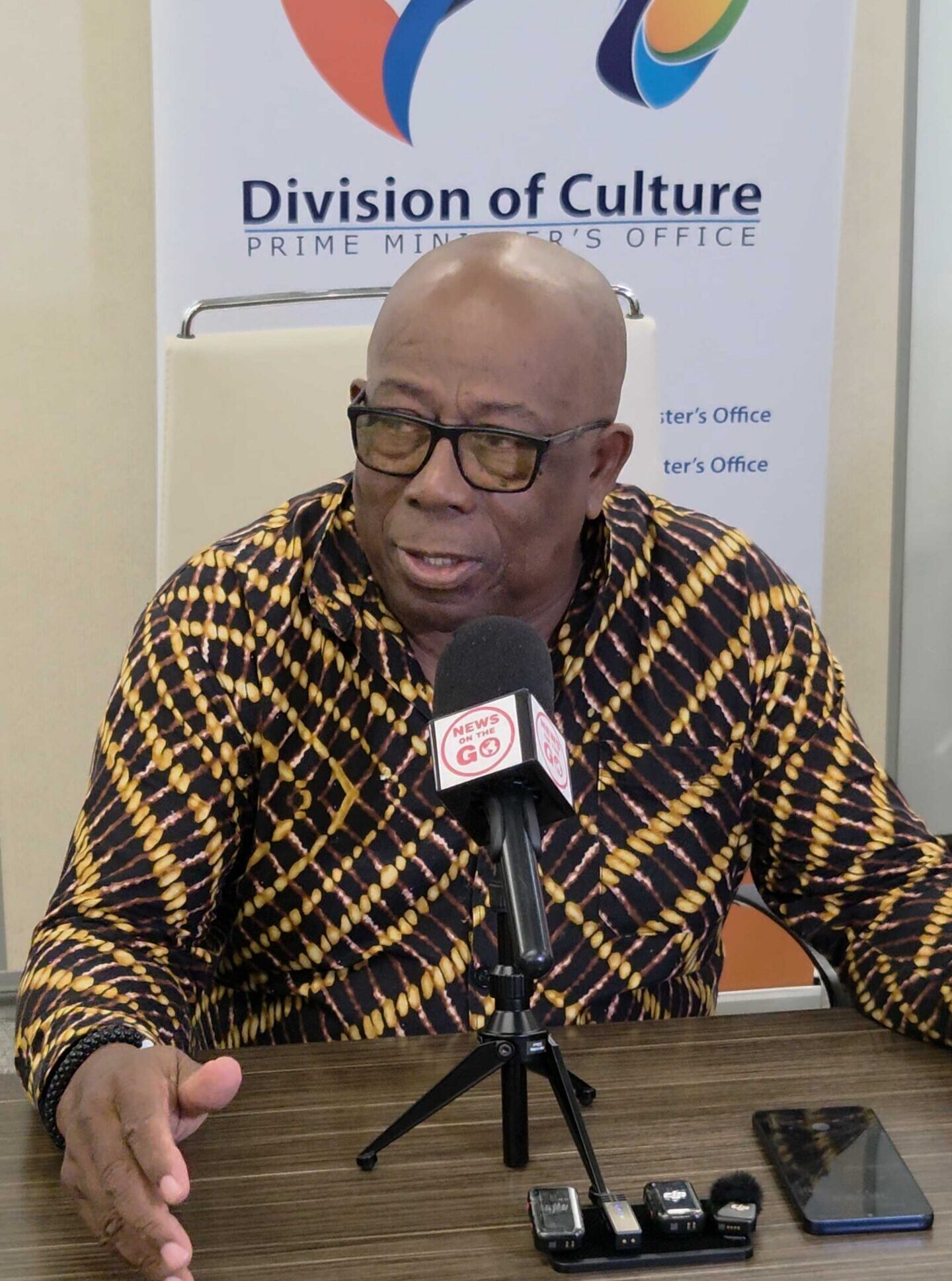
At the launch of a new writing competition tied to Barbados’ annual Season of Emancipation, the country’s Minister of Pan-African Affairs and Heritage Trevor Prescod has issued a pressing call to action, warning that the nation faces a critical shortage of homegrown writers whose work is essential to protecting Barbados’ unique cultural identity and driving inclusive national development. Prescod framed the literary sector as a dangerously underrepresented pillar in the ongoing regional movement to preserve indigenous Caribbean heritage, noting that the current gap in locally produced content threatens to erode connection to national history among younger generations.
Highlighting that the dearth of Barbadian literature stretches across educational and popular spaces, Prescod appealed to both aspiring and established writers to reimagine their craft not just as a creative passion, but as a legitimate cultural responsibility and scalable economic enterprise. “What this country needs is writers,” he emphasized during the event. “Not just occasional articles or hobbyist work — we need original, Barbadian-centered content built as a sustainable business. That requires the same entrepreneurial drive and strategic skill that any other industry demands.”
The writing contest, organized to address this gap, offers a top prize of $20,000, with submissions open to interested creators through the end of July. This year’s competition centers on the legacy of iconic pan-Africanist leader Marcus Garvey, a trailblazer in Black self-determination who established his own newspapers in the 1920s despite never completing formal secondary or university education. Prescod pointed to Garvey’s legacy of self-publishing and independent media ownership as a critical historical example for contemporary Barbadian creators, arguing that modern writers must channel Garvey’s same initiative to package, publish, and distribute their work to global audiences.
Prescod made clear that the demand for local content extends far beyond general literature: educational spaces across the nation’s primary and secondary schools currently rely heavily on imported texts, which leave many young learners disconnected from their own heritage. He shared startling observations from conversations with library officials, noting that too many Barbadian children cannot name the country’s national heroes, nor do they have familiar, accessible cultural references that reflect their own lived experiences. “Even some children do not even know who our national heroes are. They don’t have a mental construct of what they look like,” Prescod said. “Our primary and secondary education systems need books created for our students, by people who share our context.”
He challenged local authors to develop and commercialize accessible educational and historical works rooted in Caribbean and Barbadian realities. Such content, he argued, would do more than fill a gap in curricula: it would foster strong cultural identity and inspire ambition among young readers, who would see themselves and their potential reflected in local stories. “I don’t see why some of us cannot prepare small books so that our children can see examples of our own talent, mirror the content they read every day, and be able to say, ‘I want to be like A, B, or C’ — a Caribbean, Barbadian figure,” he explained. “Society is starving for that kind of representation.”
Prescod confirmed that the Barbadian government, through the Office of Pan-African Affairs and Heritage, is prepared to support writers and cultural creators as they work to turn their intellectual property into long-term, sustainable businesses, framing investment in local literature as an investment in the nation’s future.