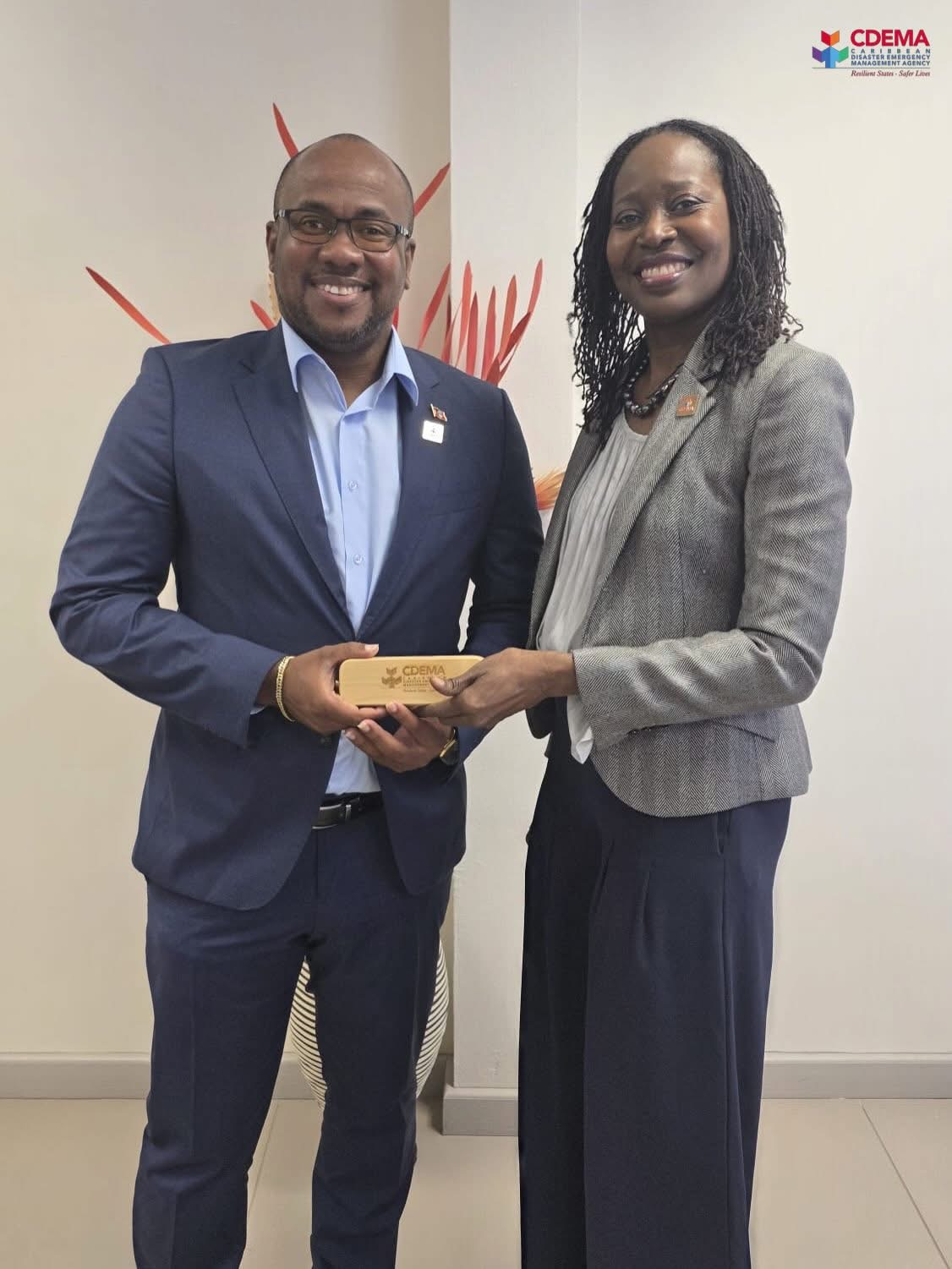
The Cabinet of Antigua and Barbuda recently hosted a high-stakes briefing from the Executive Director of the Caribbean Disaster Emergency Management Agency (CDEMA) during an official working visit focused on climate resilience and regional disaster preparedness. The executive leader’s trip to the twin-island nation included two core priorities: joining official ceremonies to open newly modernized hurricane shelters, and holding strategic discussions with top government officials about coordinated regional efforts to mitigate disaster risk.
During her presentation to the Cabinet, the Executive Director opened with a stark assessment of the shifting risk landscape that defines the modern Caribbean. Climate-fueled extreme weather events, she noted, are growing more frequent, more intense, and more economically devastating with each passing year, placing unprecedented strain on local and regional response frameworks. Beyond coordinating urgent emergency relief operations when disasters strike, she emphasized that regional disaster management bodies now must also take the lead on long-term resilience-building and post-disaster recovery efforts across all participating Caribbean states.
The briefing outlined CDEMA’s enduring, irreplaceable role in the region: the agency remains the central coordinating body for cross-border disaster response, and delivers critical support to member states through specialized technical guidance, hands-on training for emergency personnel, and on-the-ground operational assistance during crises. However, the presentation also laid bare the growing challenges the organization currently confronts: as global development priorities shift, traditional streams of international donor funding have become far less predictable, creating mounting financial and operational pressures that threaten CDEMA’s ability to deliver on its mandate.
In response to these pressures, the Executive Director outlined the agency’s ongoing strategic overhaul to shore up its long-term capacity. These changes include internal institutional restructuring to boost efficiency, investments in cutting-edge technical expertise, and work to build new, more sustainable financing models that reduce reliance on volatile donor funding. A key takeaway from the presentation was the urgent call for all participating member states to ramp up their own investments in regional preparedness infrastructure, to guarantee that life-saving response resources are pre-positioned and ready to deploy the moment a disaster hits.
Cabinet members used the briefing to reflect on Antigua and Barbuda’s decades-long partnership with CDEMA, noting that the country has reaped substantial benefits from the relationship. Official Cabinet records confirm that between 2019 and 2025 alone, the nation received more than $100 million in combined technical and financial support through the regional body, including emergency response assistance for past storm events, specialized training for local emergency teams, and expanded access to a growing network of regional and international disaster risk partners.
The Executive Director also highlighted Antigua and Barbuda’s unique leadership role within the regional disaster management system: the country has served as a designated Sub-Regional Focal Point for the network for more than 30 years, a strategic position that allows it to coordinate response efforts for neighboring jurisdictions and share local expertise across the Caribbean. Cabinet members acknowledged that this leadership role not only strengthens Antigua and Barbuda’s own national preparedness, but also lifts collective resilience across all Caribbean small island developing states, boosting the regional collective security that all nations depend on.
Following the conclusion of the presentation, the Antigua and Barbuda Cabinet issued a formal reaffirmation of its unwavering support for CDEMA’s work across the region. Cabinet members recognized that the organization plays an indispensable role in protecting lives, protecting private and public property, and safeguarding the Caribbean’s critical tourism-driven economic activity in an era of growing climate risk.
Ministers also agreed that strengthening national and regional disaster preparedness and response systems will remain a top national policy priority for Antigua and Barbuda, particularly as the region confronts increasingly complex climate and environmental challenges that show no sign of abating. The Cabinet further expressed its full backing for CDEMA’s efforts to secure long-term financial and operational sustainability, and welcomed ongoing discussions about deepening regional cooperation, expanding capacity-building initiatives, and reforming financing arrangements that will boost overall disaster resilience across the entire Caribbean.
In closing, the Government of Antigua and Barbuda reaffirmed its long-term commitment to working hand-in-hand with CDEMA and other regional partners to build safer, more climate-resilient communities across the nation, and to ensure that the country remains fully prepared to respond effectively to future emergencies and natural disasters.