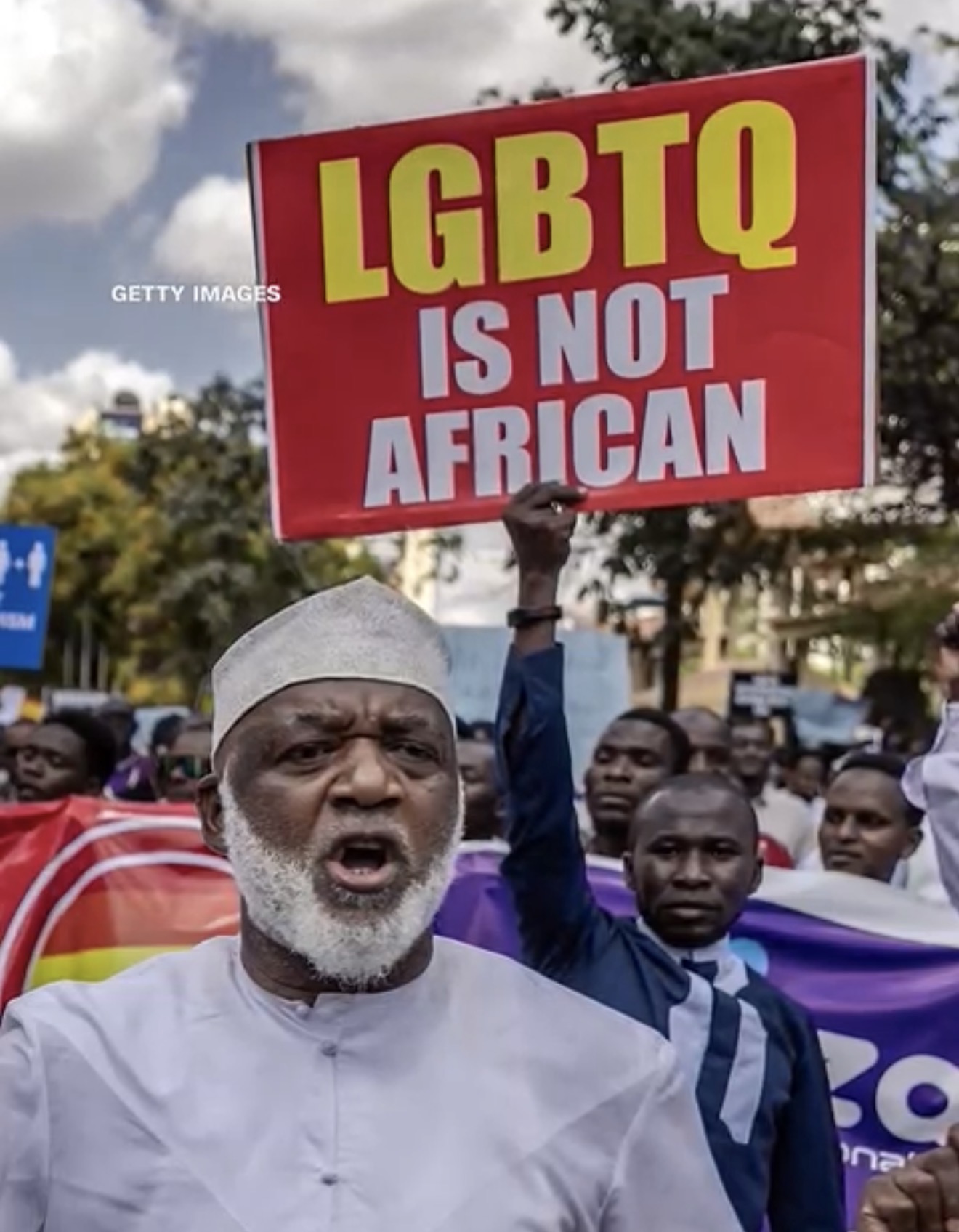
In a move that has sent ripples across both national and international spheres, Ghana’s unicameral parliament has passed a widely debated anti-LGBTQ+ bill, marking a significant shift in the West African nation’s legal framework around gender and sexual identity.
The legislation, which had been tabled and debated for more than three years among legislative bodies and civil society groups, cleared the final voting hurdle this week after rounds of heated discussions between proponents and opponents. Backers of the bill have argued that it aligns with Ghana’s deeply rooted cultural and religious norms, which have historically framed same-sex relations as inconsistent with national values. Many conservative faith leaders across the country’s majority Christian and Muslim communities have publicly thrown their support behind the measure, framing it as a necessary step to protect traditional family structures.
However, the bill has drawn fierce criticism from domestic human rights organizations, global LGBTQ+ advocacy groups, and many Western governments, which have warned that the legislation could deepen systemic discrimination, fuel violence against marginalized queer and trans people in Ghana, and undermine the country’s commitments to international human rights standards. The legislation includes provisions that criminalize certain forms of same-sex relations and public identification as LGBTQ+, while also imposing legal penalties for individuals and organizations that support or advocate for LGBTQ+ rights.
International development partners have also raised concerns that the bill’s passage could impact future aid and trade relations with Ghana, a key economic and political partner in West Africa that has long maintained close ties with Western donors. Domestic opposition groups have already announced plans to challenge the legislation in Ghana’s Supreme Court, arguing that it violates constitutional protections for equality and freedom of expression and assembly. Meanwhile, protests both in support of and against the bill have erupted across major Ghanaian cities, highlighting the deep societal divide the legislation has exposed.