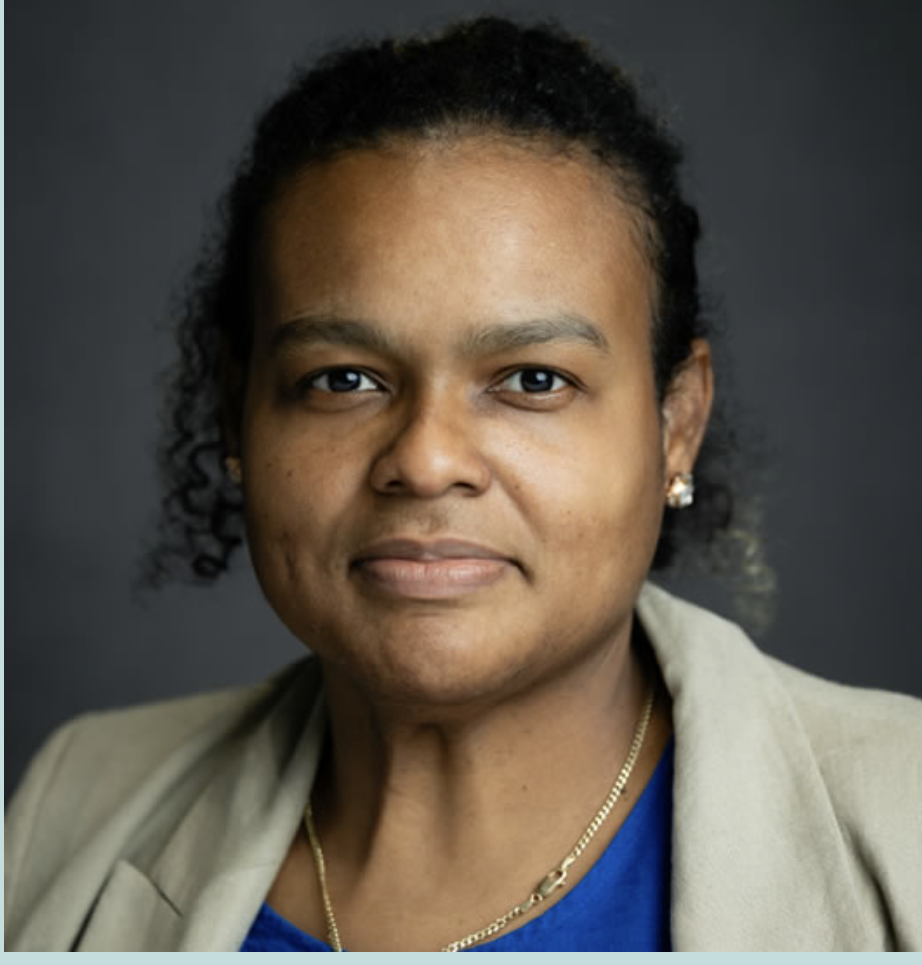
Chronic kidney disease (CKD) has quietly emerged as one of the fastest-growing public health threats across the globe, and a new landmark research series published in *The Lancet* is sounding the alarm over the need for urgent, coordinated action. Among the leading international experts contributing to this pivotal work is Dr. Lori-Ann Fisher, a consultant nephrologist, intensivist and lecturer based at the Epidemiology Research Unit of the Caribbean Institute for Health Research (CAIHR) at The University of the West Indies (The UWI).
Led by Dr. Jennifer Lees of the University of Glasgow, the multi-paper series frames CKD as a rapidly escalating global health crisis, and calls for sweeping improvements in three core areas: early diagnosis, preventive care, and accessible treatment. In her commentary on the research, Lees emphasized that CKD remains one of the most underaddressed, high-impact conditions affecting global populations today. “The overriding message from our series of research papers is that there remains a pressing need for attention and resources to be focused on this condition,” Lees noted.
Current global health data underscores the scale of the problem: CKD is already the ninth leading cause of death worldwide, affecting an estimated 844 million people across all income regions. Projections from the study indicate that without targeted intervention, CKD will climb to become the fifth leading cause of global death by 2040. What makes this burden even more striking is the widespread gap in diagnosis: even as cases rise, CKD remains vastly underdetected, a gap that is particularly acute in low- and middle-income regions such as the Caribbean, where public awareness and routine screening infrastructure remain limited.
For the Caribbean, the CKD burden carries uniquely severe consequences. Data from the Jamaica Health and Lifestyle Survey shows that roughly 15% of Jamaicans are currently living with CKD, and a large share of those patients are already diagnosed at advanced or high-risk stages of the disease. For Fisher, who has spent years researching CKD epidemiology across the region, the path to better outcomes hinges entirely on earlier detection. In the Caribbean, access to life-saving interventions like kidney transplants and long-term dialysis is severely limited, making early intervention far more critical than in better-resourced regions. “We now have accessible medications that treat kidney disease and reduce progression to kidney failure,” Fisher explained. “In the Caribbean, where access to transplant and dialysis is limited, detecting kidney disease early is crucial to improve outcomes. Investment in strengthening healthcare systems to detect and treat kidney disease is paramount for the health of our nations.”
One of the core barriers to early detection that the study highlights is CKD’s asymptomatic progression. In early and moderate stages, most patients experience no obvious symptoms, leading to delayed testing and treatment that often only begins once the disease has reached its most severe stages, when organ replacement therapy is already the only viable option. The research confirms that simple, low-cost urine and blood tests can effectively diagnose CKD in its early stages, but routine implementation of these screenings remains inconsistent across most national healthcare systems.
Fisher’s participation in this landmark global publication is far from an isolated contribution; it reflects The UWI’s decades-long commitment to addressing pressing regional and global health challenges through rigorous research and evidence-based policy advocacy. As a specialist with deep expertise in CKD epidemiology, sickle cell nephropathy, and lupus nephritis in the Caribbean context, Fisher has built a career advancing understanding of CKD prevalence and associated risk factors across Jamaica and the wider Caribbean. She currently also serves as Chair of the International Society of Nephrology (ISN) North America and Caribbean Regional Board, working to amplify the region’s voice in global kidney health priority-setting.
Now in its 76th year of operation, The UWI has grown from its 1948 founding as a small London-affiliated university college in Jamaica with just 33 medical students into a world-class, globally recognized institution serving nearly 50,000 students across five physical campuses and a global online network. Today, the university’s campuses include Mona in Jamaica, St. Augustine in Trinidad and Tobago, Cave Hill in Barbados, Five Islands in Antigua and Barbuda, and its fully online Global Campus, with additional research and academic partnerships with leading institutions across North America, Latin America, Asia, Africa, and Europe.
Offering more than 1,000 certificate, diploma, undergraduate and postgraduate degree programs across fields ranging from creative arts and engineering to law, medical sciences, and social policy, The UWI stands as the Caribbean’s leading academic institution, home to the region’s largest concentration of research expertise focused on solving the most critical challenges facing Caribbean and global communities. Since 2018, The UWI has held a consistent place in *Times Higher Education* (THE) annual global university rankings, and it remains the only English-speaking Caribbean institution to be featured across four of THE’s most prestigious ranking categories: the World University Rankings, which evaluate more than 2,000 leading research-focused universities globally; the Golden Age University Rankings for institutions founded between 50 and 80 years ago; the Latin America and Caribbean Rankings; and the Impact Rankings, which assess universities based on their contributions to the United Nations’ Sustainable Development Goals (SDGs). This global recognition has also supported the launch of the university’s International School for Development Justice (ISDJ), a global online graduate business school focused on training the next generation of leaders to advance equitable sustainable development. As an SDG-engaged university consistently ranked among the world’s top institutions for impact, The UWI continues to center pressing public health challenges like CKD at the core of its research mission.