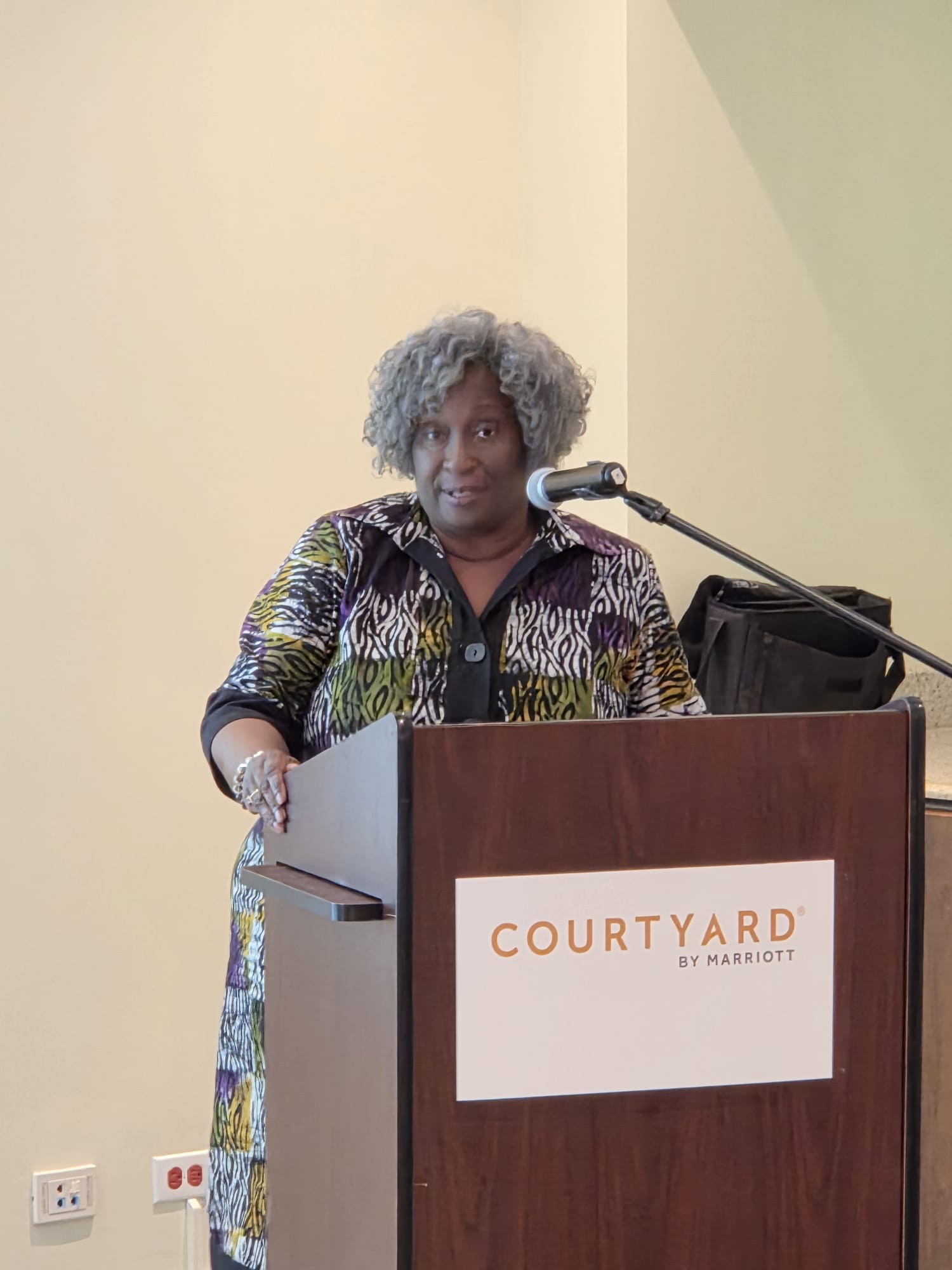
Against a backdrop of escalating climate disasters and a shifting global geopolitical landscape, veteran Caribbean lawmaker and seasoned diplomat Senator Liz Thompson has issued a stark warning: small island developing states (SIDS) across the Caribbean face growing vulnerability as the global rules-based order frays and traditional donor nations pull back on climate and development commitments. In a rousing address to regional delegates and civil society organizations, Thompson — who currently serves as vice-president of the Senate and previously held senior roles as United Nations Assistant Secretary-General and Special Adviser on Sustainable Development — urged Caribbean nations to set aside divisions, reject long-standing external dependencies, and aggressively advocate for systemic financial justice to confront the accelerating climate crisis.
Thompson painted a sobering picture of the changing global order, arguing that long-standing commitments to multilateralism are eroding rapidly. In place of a rules-based system that once offered protections for vulnerable nations, the world is shifting toward a “power-driven order” that prioritizes the interests of major powers over the needs of small, low-emission island states on the frontlines of climate change. She pointed to a notable collapse in empathy from wealthy, traditional donor nations, whose declining support has left Caribbean nations to bear catastrophic climate-related economic costs entirely on their own.
A core example of international failure, Thompson argued, is the UN-backed Global Loss and Damage Fund, created explicitly to help vulnerable developing countries recover from climate-driven disasters. After three years of pledges, the fund holds less than $800 million in total resources — a sum dwarfed by the $12 billion in damage Hurricane Beryl alone inflicted on Jamaica. This funding shortfall comes amid a broader retreat from climate and development commitments: Thompson noted that official development assistance from Organisation for Economic Co-operation and Development (OECD) nations dropped 7% in 2025, and many major global powers have announced plans to slash development spending further, with some moving to halt climate-related lending entirely.
“Alliances have become far more fluid. Loyalty has no particular meaning,” Thompson told attendees. “Empathy for the weak and the vulnerable is not a priority. In fact, in many instances, it is not a consideration at all.”
Unlike in many global policy discussions that frame climate change as a distant future threat, Thompson emphasized that the Caribbean is already living through an unignorable climate crisis, backed by hard data. Between 1960 and 2000, the region recorded just eight Category 5 hurricanes — four across 20 years, and another four across the next 20. But in just the seven-year period from 2018 to 2025, the Caribbean has already been hit by eight extreme Category 5 storms. These statistics are not abstract: the storms have left thousands of families displaced, created disproportionate mental health strain on women, and wiped out entire local livelihoods. In the most extreme cases, single hurricanes have destroyed infrastructure and assets equal to 225% of Dominica’s annual GDP and 65% of the Bahamas’ GDP in mere hours.
Compounding the injustice of the climate crisis, Thompson argued, is structural bias built into the global financial system that punishes the nations least responsible for climate change. Major emitters — the countries that bear most of the historical blame for rising global temperatures — can access sovereign loans at interest rates as low as 3%. By contrast, Caribbean and Latin American nations face average rates of 7%, while African nations pay rates above 9.8% to borrow money for climate adaptation and recovery.
“Those who are creating the climate crisis get the best rates from the marketplace,” Thompson said. “But those who are in the throes of the crisis, those who are being held in the tentacles of climate change, pay the highest costs for loans to address climate impacts.”
To counter these deep systemic inequities, Thompson held up the Bridgetown Initiative as a transformative, homegrown model for the region. The framework, crafted by Caribbean leaders, reimagines climate finance and development governance without relying on traditional foreign charity, she argued, proving that the Caribbean can design its own solutions rather than accepting frameworks imposed from outside. “We don’t need aid, what we need is opportunity and equity and justice,” Thompson stated. “And if you give that to us, we can fight for the rest because we’ve done it all our lives.”
Thompson stressed that regional unity is non-negotiable for advancing Caribbean interests on the global stage. She warned that historic external strategies of “divide and conquer” have long weakened the region’s negotiating power, urging leaders to set aside internal divisions and maintain a consistent, data-backed vocal presence in global climate and finance forums.
Closing her address with a nod to Shakespeare’s reflection on timing and fortune, Thompson compared the region’s current moment to a critical high tide: if seized boldly, it can lead to prosperity and self-determination, but if missed, the region will be trapped in ongoing vulnerability and injustice. “We can let the tide carry us wherever it wants. We can let others push us wherever they want, or we can choose to be craftsmen of our fate,” Thompson said. “We can choose to be creators of our solutions. We can choose to be a Caribbean civilisation at its best. The choice really is ours.”