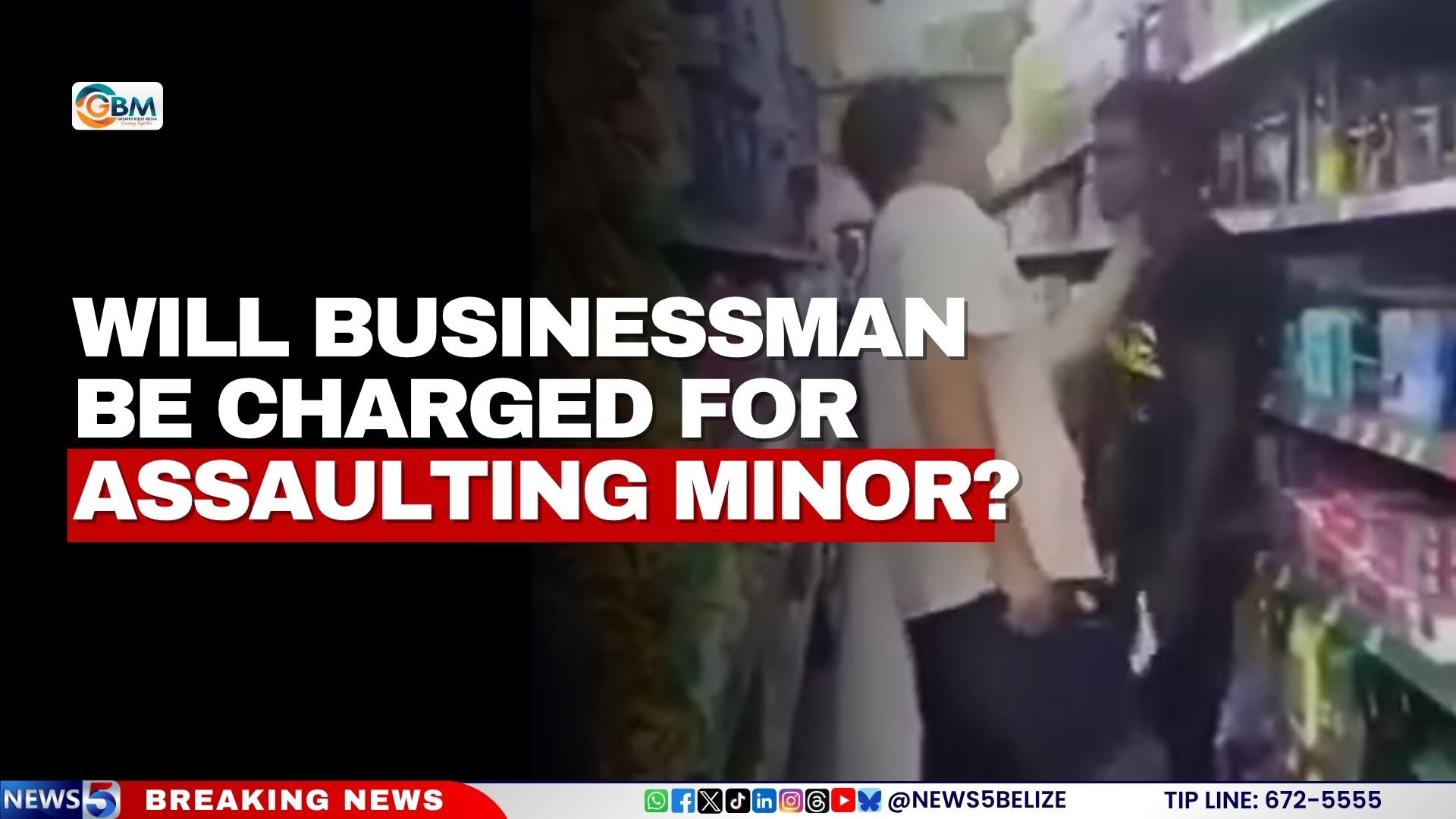
In a developing story that has ignited fierce public discourse across the nation, a viral video depicting a local business owner physically assaulting a teenage boy suspected of shoplifting has prompted official pushback from the country’s leading child welfare agency, which is calling for non-violent alternatives to youth discipline. The disturbing footage first circulated on social media platforms this Monday, quickly splitting public opinion over the longstanding debate around when — if ever — physical punishment is acceptable for children who break rules.
Public reaction to the video has been sharply divided. One camp of online commentators has rallied behind the shop owner, arguing that when parents fail to teach children basic respect for others’ property and the law, outside adults are justified in stepping in to administer corrective discipline. The opposing side has condemned the attack outright, emphasizing that the individual targeted is a legal minor, and that no adult has the right to inflict physical harm on a child, regardless of the alleged offense.
On Wednesday, the Ministry of Human Development, Family Support and Gender Affairs issued an official statement reaffirming its unwavering opposition to violence against children in all contexts. Ministry CEO Adele Catzim‑Sanchez told local outlet News 5 that vigilante action has no place in addressing youth misconduct, urging business owners who encounter theft or other trouble involving minors to contact law enforcement immediately and secure surveillance evidence rather than taking matters into their own hands.
“We have to have options that go beyond violence,” Catzim‑Sanchez emphasized in her remarks.
The CEO also noted that viral social media footage rarely captures the full context of an incident, and stressed that the government already maintains a robust network of evidence-based support programs designed to address problematic youth behavior without resorting to force. Through the Ministry’s Community Rehabilitation Department, young people who run afoul of the law can be referred to prevention and mentorship initiatives via either police or court diversion programs, tailored to the specific circumstances of each case.
The core intervention is a structured four-month program that works holistically with each participant: it explores underlying personal and family challenges that may contribute to harmful behavior, provides professional mental health counseling, offers support for school engagement when needed, and connects families with basic support such as food assistance if that is identified as an unmet need.
“Our philosophy is that incarceration or institutionalisation should be an action of last resort,” Catzim‑Sanchez explained.
In response to the common argument that physical discipline has long been an accepted part of child-rearing in many communities, the CEO argued that it is past time to move beyond the automatic reflex to meet misbehavior with force. She acknowledged that business owners have a clear and legitimate right to protect their property from theft, but noted that long-term public good requires investing in proactive prevention programs rather than reacting to every incident with violence.
With primary and secondary schools across the country now closed for the annual summer break, Catzim‑Sanchez also issued a targeted advisory to families, urging parents and guardians to enroll their children in structured, positive summer programs. She noted that historical data shows a consistent seasonal spike in youth involvement in law enforcement interactions during the summer months, when unsupervised free time can increase the risk of negative behavior. Keeping young people engaged in constructive, supervised activities, she said, is one of the most effective proactive steps families can take to prevent trouble before it starts. At the time of publication, no official charges have been filed against the shop owner, and authorities have not announced a timeline for a decision on potential prosecution.