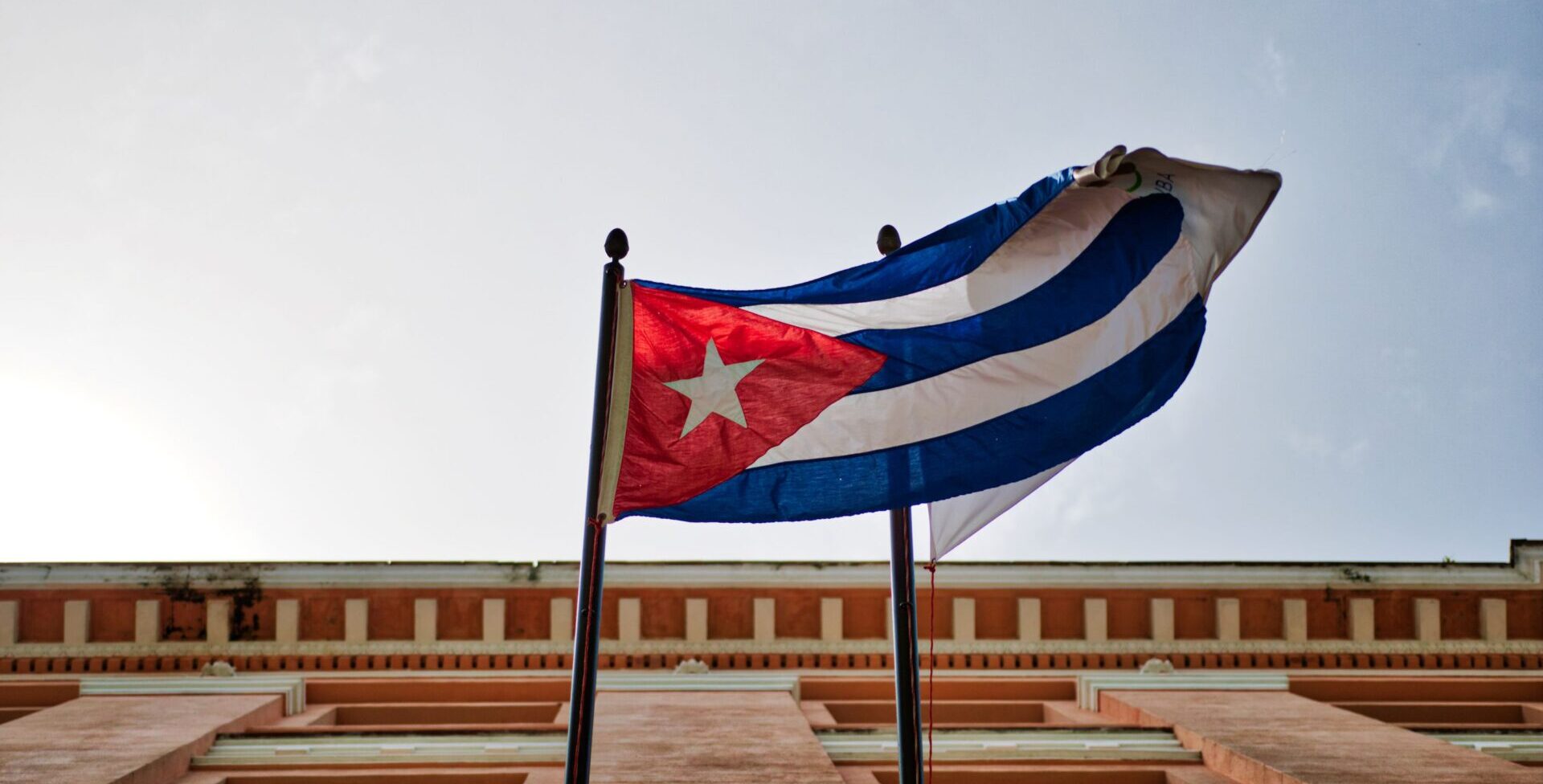
A panel of independent United Nations human rights and international law experts has issued a stark, comprehensive warning over what they frame as rapidly growing coercive pressure from the United States against Cuba, arguing that a cascade of political, economic, and legal actions threatens core global principles of national sovereignty and the foundational rules of international law.
In their official public statement released through UN channels, the experts pushed back against what they identify as coordinated attempts by Washington to alter Cuba’s domestic political landscape through intimidation and force. The group noted that attempts to manipulate the constitutional order of an independent sovereign state through threats and coercion directly echo the exploitative practices of the colonial era, a comparison that underscores the seriousness of their concerns.
The experts tied their latest warning to a series of high-profile geopolitical developments that unfolded in early 2026: the abduction of Venezuelan President Nicolás Maduro in January, and U.S. President Donald Trump’s March 2026 proclamation of the revised “Donroe Doctrine”, which formally reasserted U.S. dominance across the Western Hemisphere. Both events, the statement says, have amplified widespread fears over regional stability and eroding respect for the fundamental right of all nations to self-governance.
The panel specifically called out remarks attributed to President Trump regarding Cuba, in which Trump claimed credit for the prospect of “taking Cuba”. The experts emphasized that this comment is not empty political rhetoric, but a visible reflection of a long-running, wide-ranging strategy of pressure against Havana. This strategy includes the decades-long U.S. trade embargo on Cuba, the country’s continued designation as a state sponsor of terrorism, the newly imposed fuel blockade, and sweeping coercive measures that target third parties engaging in legitimate trade with the island nation.
One of the most controversial actions highlighted by the experts is the recent U.S. federal indictment of former Cuban President Raúl Castro. The panel questioned the legality and ethics of targeting a sitting or former head of state through domestic judicial processes, arguing that the legal action is clearly tied to broader efforts to pressure the Cuban government. Using national court systems as a tool of foreign policy, they noted, directly contradicts the principles of sovereign equality and self-determination enshrined in the United Nations Charter.
The statement also raised alarms over the planned deployment of the USS Nimitz aircraft carrier to the southern Caribbean, framing the military move as yet another layer of coercive pressure that runs counter to the UN Charter’s provisions on peaceful international relations.
Beyond geopolitical and legal concerns, the experts shone a light on the severe humanitarian toll of the fuel import restrictions that have been in place since January 2026. Widespread fuel shortages, they confirmed, have triggered severe energy crises across Cuba, including prolonged power outages and crippling disruptions to essential public services. The impact of these hardships falls disproportionately on Cuba’s most vulnerable populations, a pattern that has been repeatedly documented by UN officials and independent experts in previous warnings about U.S. coercive measures.
The panel framed the current wave of actions against Cuba as part of a worrying broader trend: growing disregard for multilateral cooperation and the rule of international law, paired with the normalization of coercion and explicit threats of regime change. This shift, they warned, undermines the integrity of the entire global legal system that has been built to prevent conflict and protect smaller nations.
“A democratic and equitable international order requires that all States, regardless of size or power, participate on equal footing, free from undue pressure,” the statement read.
To address the escalating crisis, the independent experts issued a series of clear calls to action. They first demanded that the U.S. government end all threats to Cuba’s sovereignty and roll back all unilateral coercive measures that violate established international law. They also urged all UN member states to refuse to recognize or implement any measures that violate the core principles of sovereign equality and non-interference in the internal affairs of other nations. The panel further encouraged the broader international community to take coordinated action within the UN framework to defend and uphold international law. Finally, the experts called on both the UN Security Council and the UN General Assembly to formally review the situation, noting that it carries direct implications for global peace and collective security.