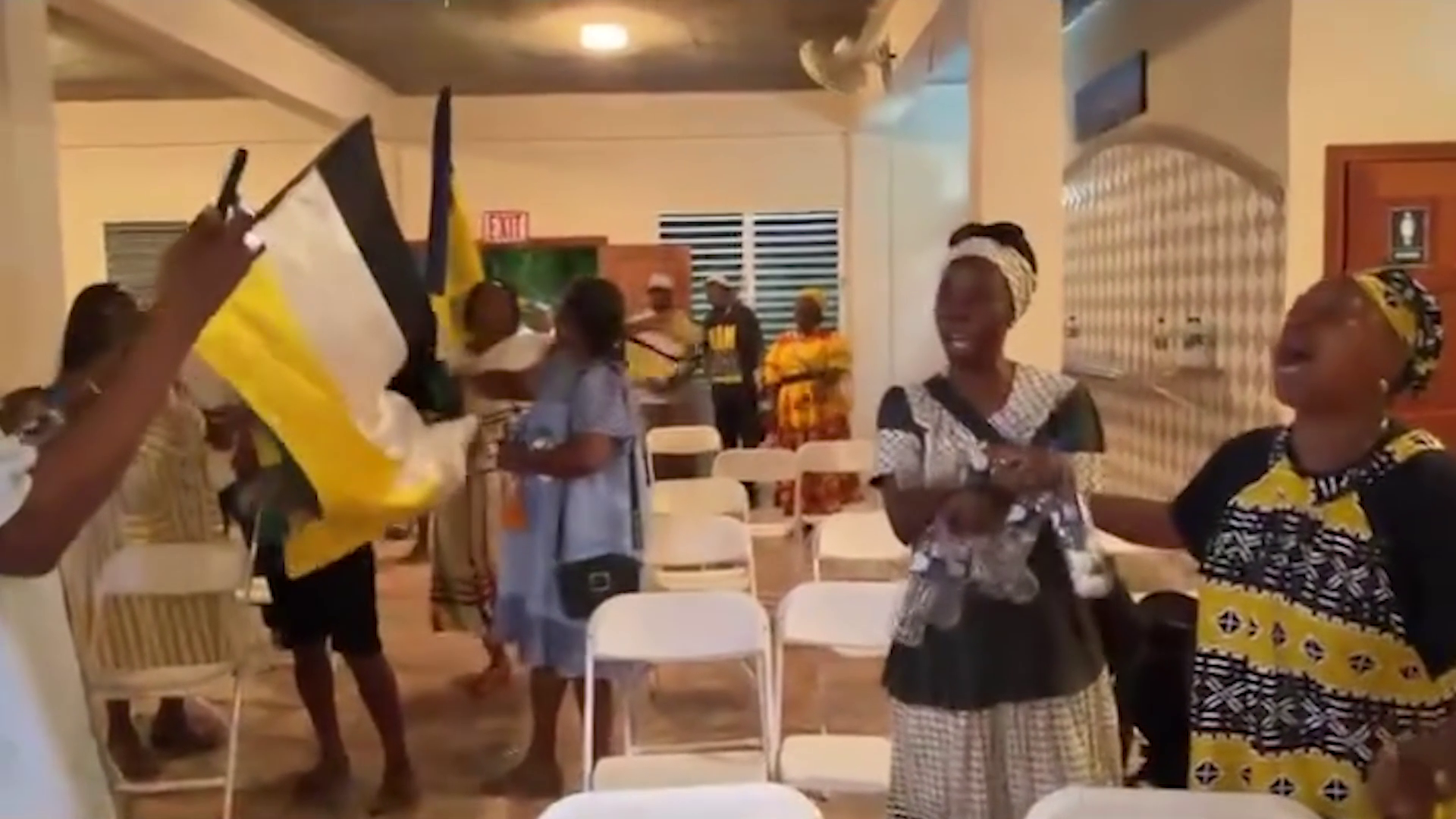
Decades-long tensions over Garifuna ancestral land rights along Belize’s southern coast are on the verge of a major legal confrontation, prompting the National Garifuna Council (NGC) to take formal action: the launch of a dedicated Legal Defense Fund to resource their upcoming court battle.
The conflict centers on traditional Garifuna territories in three coastal communities: Hopkins, Sittee River, and Seine Bight. For generations, the Garifuna people have faced gradual displacement and loss of their ancestral lands, a cumulative crisis that has built up over many years rather than emerging suddenly. Now, as the dispute moves toward the judicial system, the NGC has made the strategic decision to crowd-source financial support from both domestic community members and Garifuna diaspora communities spread across the globe.
Ifasina Efunyemi, Assistant Treasurer of the NGC, framed the initiative as a proven model for Indigenous advocacy, drawing parallels to the successful land rights campaigns waged by Belize’s Maya community. “These issues have not risen overnight, and they will not be solved overnight either,” Efunyemi explained in remarks to local media. “Over time, we have faced tremendous loss and displacement of our traditional lands. This fund gives our people and our allies the chance to stand with us, as we work to protect what land we still hold and restore what rightfully belongs to our traditional communities.” She emphasized that effective legal defense is impossible without sufficient financial backing, making the fund a critical step toward leveling the playing field for the Garifuna claim.
Alex Nolberto, NGC President, expressed confidence in the campaign’s success, pointing to the large global Garifuna community that can back the effort. “There are more than 300,000 Garinagu both in Belize and across the diaspora, and we are calling on every one of them to contribute and stand with us in this fight,” Nolberto said. “This is not a struggle for only Belize-based Garifuna; it is a fight for the future of our entire people.” Nolberto added that the NGC, as the legally recognized representative body for all Garifuna matters, is mandated to develop a robust formal legal response to competing land claims, a process that requires covering significant costs including legal representation fees. Beyond courtroom proceedings, the fund will also support public education initiatives to spread awareness of the Garifuna land claim, a dispute that traces its origins all the way back to the 1800s.
Garifuna leaders stress that the battle is about far more than physical territory: it is a fight to safeguard centuries-old Garifuna cultural heritage and secure a sustainable future for coming generations of the Indigenous community. As the legal process moves forward, the NGC intends to continue coordinating closely with its legal team to map out a clear strategy for advancing their claim in the courts.