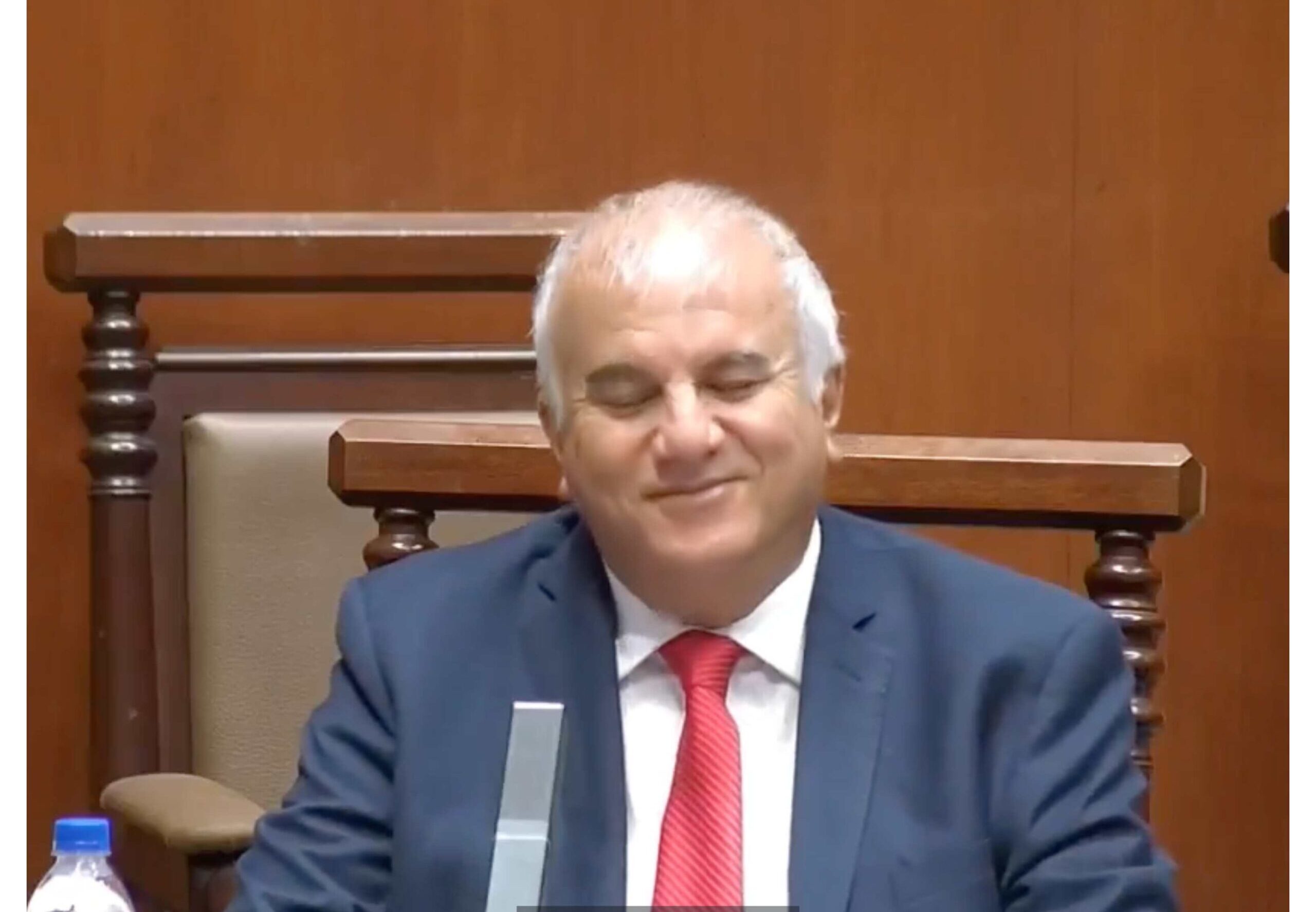
A incendiary comment from a senior Antiguan and Barbudan senator has reignited urgent conversations about the declining state of respectful political dialogue across the nation. Senior Senator Philip Shoul recently acknowledged that opposition lawmaker Jonathan Wehner holds a spot on his so-called “hit list” — a comment that has left many citizens questioning the boundaries of acceptable rhetoric from elected officials.
While some have rushed to dismiss the comment as nothing more than offhand political banter, and others argue it was never meant to be taken as a literal threat of violence, the core issue extends far beyond the speaker’s original intent. For a country already confronting persistent violent crime and growing political polarization, this kind of charged language carries tangible risks, regardless of whether it was framed as metaphor.
Words carry weight, especially when they come from public officials who hold the trust and respect of the electorate. Elected leaders are tasked with modeling constructive civic engagement for the public, particularly for young people who are learning how democratic disagreement functions. Across Antigua and Barbuda, leaders from across sectors — from political offices to schools to faith institutions — regularly urge young citizens to resolve differences through dialogue rather than violence. A comment framing a political opponent as a target on a “hit list” directly undermines that collective message.
Even if used figuratively, the term “hit list” is inextricably linked to targeted retaliation and violent retribution. It does nothing to foster open debate, mutual tolerance, or healthy democratic participation. Instead, it amplifies tension and reinforces a destructive “winner-take-all” mindset that erodes the foundation of collaborative governance.
This incident carries added weight because Wehner is a young, rising figure in national politics. Political disagreement is an inherent and healthy part of democracy, but when veteran leaders publicly target younger incoming politicians with threatening language, it sends a dangerous message about what kind of conduct is acceptable in public life. It undermines core values of mentorship and respectful leadership that are critical to sustaining democracy for future generations.
Vigorous debate and sharp criticism are always welcome in public life, but neither requires language that can be reasonably interpreted as intimidating or threatening. In response to the controversy, the author of the op-ed calls on the Royal Police Force to launch a review of the comment. This review is not necessarily intended to pursue criminal charges, but rather to provide clarity to the public that restores confidence in political norms. If the comment was indeed harmless rhetorical flair, that fact should be confirmed publicly. If not, the public is owed a full explanation.
At a minimum, this incident should spark a long-overdue national conversation about formal and informal standards of conduct for elected officials across all parties. Democracy, the author argues, relies not only on strong laws and independent institutions, but on a culture of respect shaped by the words leaders choose to use.
Antigua and Barbuda deserves leaders who can advocate passionately for their positions and disagree with opponents without leaning into language that evokes hostility, targeting, or retaliation. Citizens should hold all politicians to this higher standard, regardless of partisan affiliation. Respectful disagreement is a mark of strong leadership; intimidating rhetoric, even when disguised as humor or political performance, is a sign of weakness.