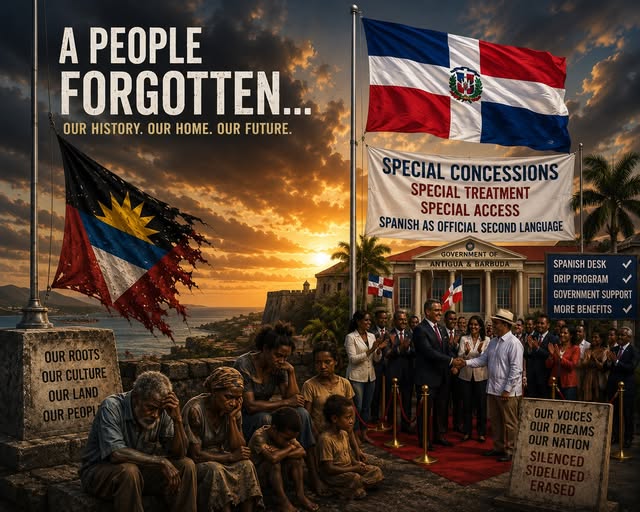
The painful, centuries-long dispossession of Indigenous American peoples stands as one of the darkest chapters in Western hemisphere history. What began with the welcome of foreign settlers eventually ended in the systematic seizure of Native lands — through brute force, calculated deception, and the full endorsement of state governments controlled by the growing immigrant population. What followed was a cultural collapse: from the Trail of Tears, the deadly 1830s forced relocation under President Andrew Jackson that killed thousands of Indigenous people in winter’s freezing conditions, to the modern reality of reservations plagued by systemic poverty, rampant addiction, political corruption, underfunded education, elevated rates of violent crime, and persistent erasure of traditional identity. Today, Indigenous Americans face disproportionately high rates of mental illness, hold the lowest-waging jobs in their regions, and have largely faded from mainstream public consciousness, their once-vibrant cultures reduced to marginalized stereotypes. As the old adage warns: those who fail to study history are doomed to repeat it. For the people of Antigua and Barbuda, this warning is not abstract history — it is an unfolding crisis that current leaders are ignoring, at the cost of the nation’s very identity.