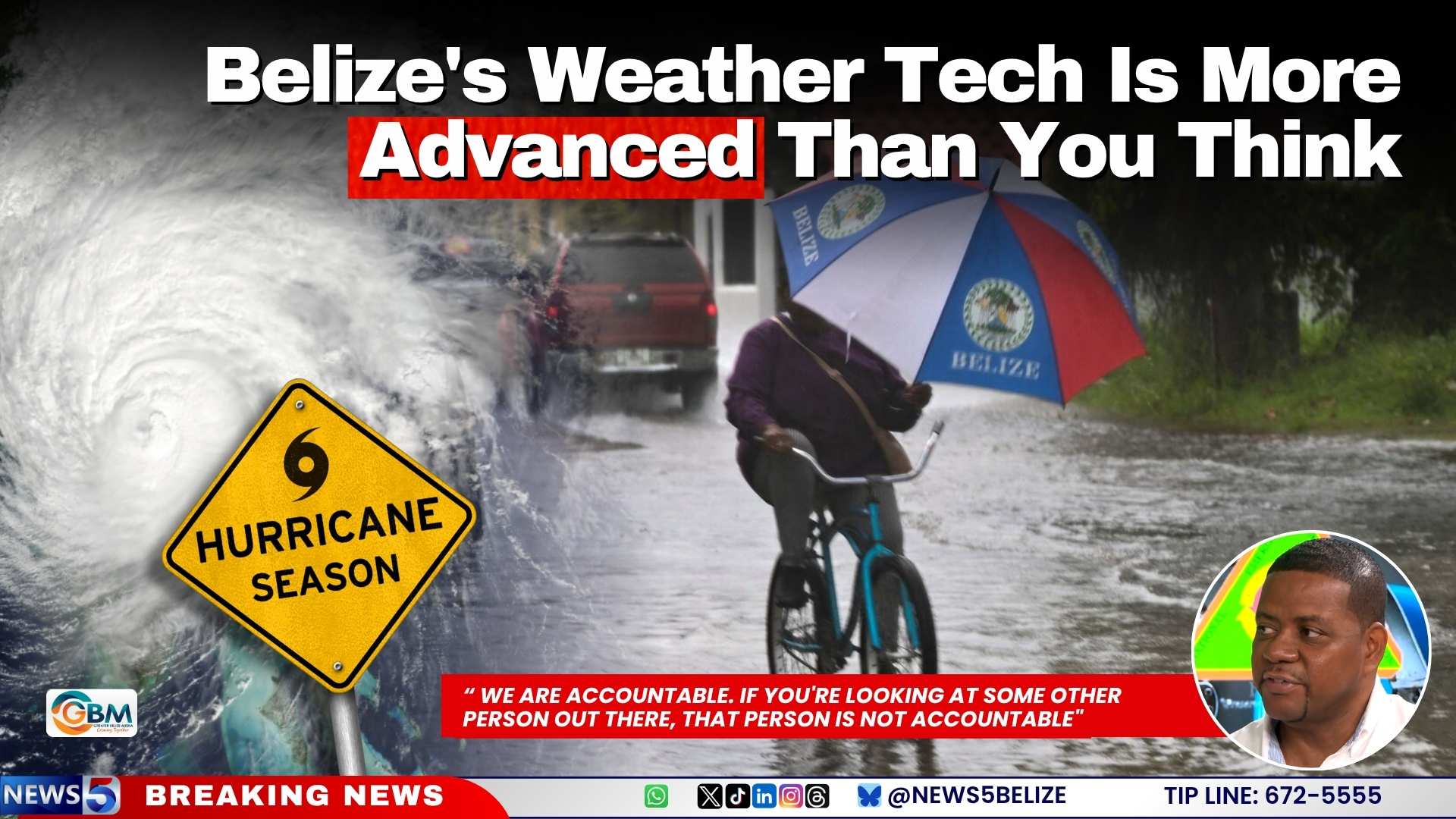
As the 2026 Atlantic hurricane season officially kicks off on June 1, the Central American nation of Belize has announced major upgrades to its weather monitoring infrastructure, positioning it as one of the best-prepared countries in the Caribbean and Central American region for storm tracking, according to the country’s top meteorological official.
Chief Meteorologist Ronald Gordon confirmed in a Monday morning interview on the public affairs program *Open Your Eyes* that Belize’s expanded, high-density weather observation network now outpaces many peer nations in the region, delivering far more accurate and granular data to forecasters tracking developing Atlantic storm systems. When asked whether the country is ready to face the next five months of cyclone activity, Gordon stated that the nation’s monitoring capacity is fully prepared to handle whatever storms develop.
A key new addition to the country’s monitoring infrastructure is a purpose-built Storm Surge Monitoring station housed at the Belize Fisheries Department. Unlike general wind and rainfall tracking tools, this new station is specifically designed to measure the rising coastal flood waters that come with major hurricanes – a critical upgrade, as historical data shows storm surge, rather than high wind, is the deadliest hazard associated with Atlantic hurricanes.
The new technology is not limited to government forecasters, Gordon emphasized: everyday Belizeans can now access hyper-local, real-time forecast data through the official Belize Weather app, available for download on both Android and Apple iOS devices. However, Gordon noted that the biggest remaining challenge is not building accessible forecasting tools, but encouraging the public to rely on these verified official resources instead of unvetted information shared on social media and unofficial platforms. During hurricane events, misinformation from unaccountable sources can spread rapidly, creating unnecessary confusion and putting lives at risk when communities need to make time-sensitive safety decisions.
“We are tasked and are responsible for providing weather forecasts for Belize. Therefore, we are accountable,” Gordon said. “If you’re looking at some other person out there, that person is not accountable.”
Forecasters from the U.S. National Oceanic and Atmospheric Administration (NOAA) are predicting a below-normal 2026 hurricane season, with an expected range of 8 to 14 named storms forming across the Atlantic basin. Of those, 3 to 6 are projected to strengthen into full hurricanes. The milder forecast is tied to the expected development of El Niño ocean conditions in the Pacific, which typically suppress Atlantic hurricane activity through increased wind shear that disrupts storm formation.
While the overall seasonal outlook is milder than average, meteorologists stress that even one major hurricane making landfall can cause devastating damage, and all coastal communities in Belize should remain prepared throughout the five-month season that runs through November.