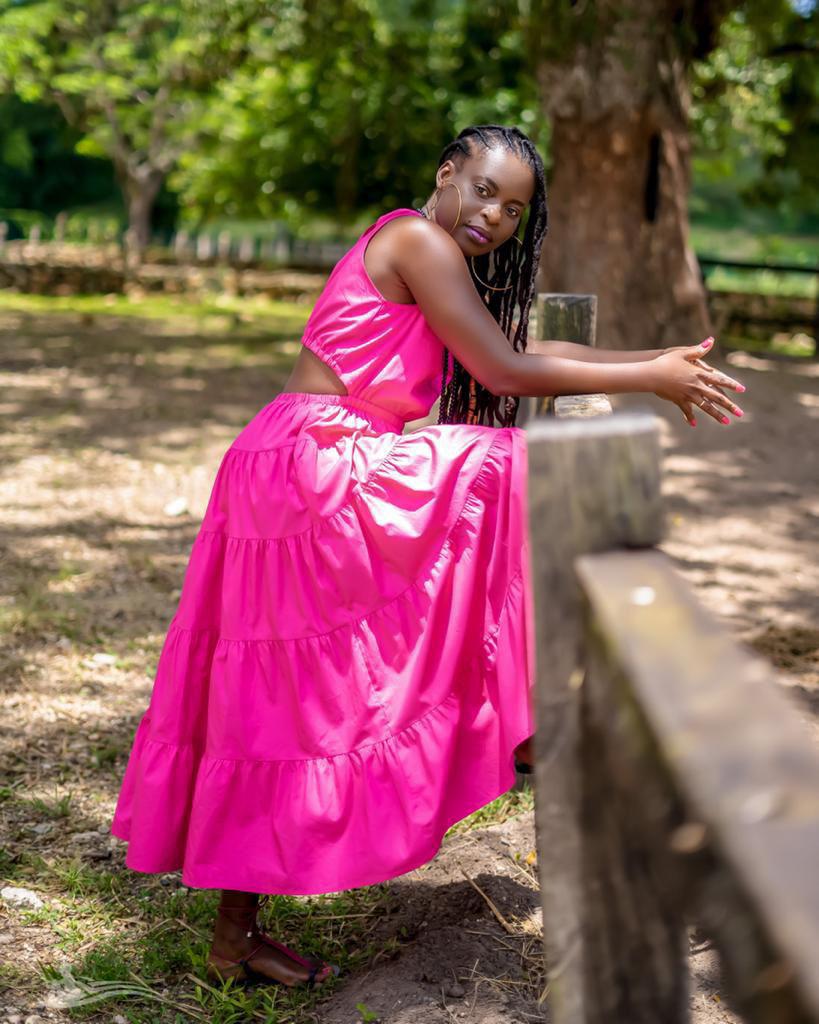
A raw, unflinching freestyle from Jamaican reggae performer Kuanna has set social media alight this week, igniting a urgently needed national dialogue about the escalating crisis of violence against women and children across the island nation.
Titled *Woman Killer*, the track is layered over the beloved, iconic Hill and Gully Riddim created by producer Stephen “Di Genius” McGregor. It first debuted on Kuanna’s Facebook page, and within just a few days, racked up more than 300,000 views and over 1,000 comments from engaged Jamaican audiences both on the island and in the global diaspora.
Unlike most viral content that dominates social media timelines today, built on catchy dance challenges or manufactured celebrity controversy, *Woman Killer* takes a deliberately hard-hitting approach, confronting some of Jamaica’s most painful, underdiscussed public crises: pervasive domestic abuse, systemic femicide, and the widespread sexual exploitation of children.
In an interview following the track’s viral spread, Kuanna made clear she has no regrets about stepping into this charged conversation. “It’s all around us. Women are being killed by their partners, who are supposed to be protecting their homes. We have situations where kids are being sexually abused by their fathers, stepfathers, uncles and others. Our future is being tampered with big time because killing the nurturers — mothers — is a flagrant abuse of the future,” she said.
The freestyle dropped at a moment of already boiling public anger across Jamaica, following a string of high-profile, brutal femicides that have dominated national headlines in recent weeks. The list of tragedies includes Melissa Kerry Samnath, a 37-year-old accountant based in New York who was killed on her birthday in St James; Latoya Bulgin, 45, who was fatally shot during a community protest in Granville, St James; Kadene Beswick, a hotel worker murdered in Catherine Hall; and Nordraka Williams-Burnett, an attorney stabbed to death in St Andrew.
For Kuanna, who was born and raised in Trelawny, this issue is far more than a public policy talking point — it is deeply personal. As a mother to a young daughter, remaining silent in the face of these ongoing atrocities was never an option. “I have a beautiful daughter. She’s the head girl for her school and her classmates are very beautiful and brilliant as well,” she explained. “I cannot keep silent. I have to be one of the voices for the voiceless and the minors.”
That unapologetic call to action has resonated far beyond the reggae music community, touching audiences across every demographic. Since the freestyle was posted, Kuanna says she has been inundated with personal messages from survivors of abuse and worried family members, who have opened up about their own unspoken experiences with gender-based and sexual violence. “I have been getting a lot of positive feedback and some touching responses too,” she said. “I have women reaching out to me saying that they were being molested. I even had one message stating that she lives in the USA but her 12-year-old niece here in Jamaica is being molested by her stepfather.”
The overwhelming public response has convinced the artist that *Woman Killer* has grown far beyond a passing viral moment, evolving into a grassroots movement for change. Audiences have already begun calling for an official mastered release, so they can purchase the track and keep its message circulating in their homes and communities. Kuanna also publicly thanked social media influencers Rawpa Crawpa and Bergus for amplifying the track’s message to their large existing audiences, helping the conversation reach far more people than it would have on its own.
Amid the groundswell of public support, however, one notable silence has stood out: Kuanna says she has yet to hear from Stephen “Di Genius” McGregor, the producer behind the original Hill and Gully Riddim that forms the backbone of her freestyle. “A lot of people have commented stating it’s the best song on the rhythm — lyrics, melody, message — but so far no link from Di Genius,” she said. “I do hope he will reach out as this song is here to make awareness and save lives. Women and children are suffering and dying. We need to raise awareness and protect the innocents.”
Kuanna argues that this silence reflects a broader, longstanding discomfort within the Caribbean entertainment industry when it comes to addressing sensitive, high-stakes social issues like gender-based violence. This is not the first time the artist has gone viral for her uncompromising work on this topic: back in 2021, her track *Pedophile Warning*, which condemned child sexual abuse and called for harsher punishments for perpetrators, also sparked national debate, and industry pushback followed then too. “I am not surprised because it was the same way when I went viral back in 2021 with *Pedophile Warning*,” she said. “I am not sure why the industry is so afraid of this topic — stop the violence against women and children.”
That 2021 track established Kuanna as one of reggae’s most unapologetic, prominent social commentators, a reputation that aligns with the artistic perspective she has built throughout her career. Raised in Deeside, Trelawny, immersed in the spiritual traditions of the Pocomania revival church, her work is rooted in a roots reggae ethos shaped by spirituality, community accountability, and a commitment to social justice. Her 2021 album *Love Journey* already showcased this approach, weaving personal storytelling with sharp commentary on the most pressing issues facing Jamaican communities.
With *Woman Killer*, however, Kuanna has delivered what may be her most culturally significant work to date. At a moment when calls for action to end gender-based violence dominate Jamaican public discourse, the artist has leveraged her platform to break the culture of silence, demand systemic accountability, and lift up the voices of those who have long been ignored.
Whether the freestyle ever receives an official commercial release, one fact is already undeniable: the message has cut through. And as hundreds of thousands of viewers across the island and the globe share, comment, and engage with the track, it is clear that Jamaican audiences are ready to listen, and ready to demand change.