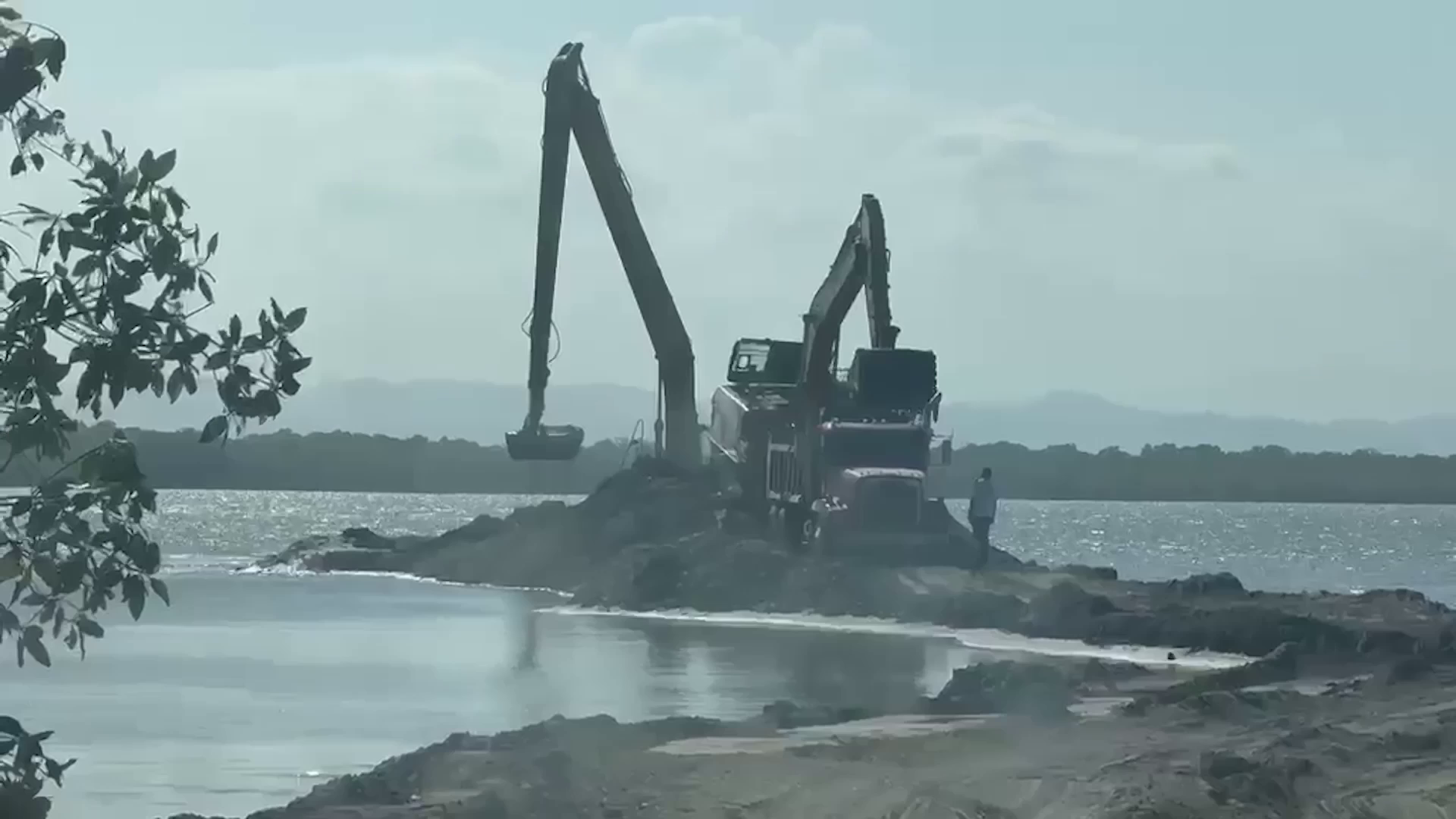
In a bold, forward-thinking move to balance economic growth and environmental stewardship, Belizean Prime Minister John Briceño has enacted a nationwide development pause to safeguard the nation’s ecologically vulnerable coastal regions. Starting in advance of widespread projected expansion driven by international developer interest, the government has halted the approval of all new construction and development permits across four high-priority coastal hotspots: Placencia, San Pedro, Hopkins, and Caye Caulker.
This temporary moratorium, implemented through Belize’s Ministry of Housing and Physical Planning, is not intended to end all development in the country. Instead, it gives policymakers and conservation experts time to conduct a comprehensive, evidence-based review of which coastal landscapes require permanent protection, and what types of projects align with Belize’s long-term national vision for sustainable growth. Briceño emphasized that the proactive step is designed to address environmental risks before unchecked damage occurs, rather than reacting to irreversible harm after the fact.
The review process has already extended to proposed projects in the remote Sapodilla Cayes, a biologically diverse marine protected area that has drawn growing attention from conservation and tourism groups. Briceño confirmed that the government is already evaluating a proposed partnership between global high-end sustainable tourism NGO Wilderness, a leading U.S. research institution, and the University of Belize (U.B.). While the project centers on conservation-aligned development, it will still face heightened scrutiny under the new moratorium framework.
“Any development in these sensitive coastal zones has to be balanced and measured,” Briceño stated in comments included in an evening television news broadcast. “We cannot allow unregulated extreme dredging and destructive forms of expansion that threaten the ecosystems that make Belize’s coastlines so valuable.” The prime minister added that the temporary pause reflects a clear, deliberate line the government is drawing between thoughtful economic growth and reckless expansion that endangers Belize’s natural capital.
As international demand for coastal development in Caribbean tourism destinations continues to rise, Belize’s policy shift marks a significant test of whether small island nations can prioritize long-term environmental health over short-term economic gains. Conservation groups have broadly welcomed the move as a critical step toward protecting Belize’s barrier reef system and coastal habitats, which underpin the country’s $1.5 billion tourism industry and support thousands of local livelihoods.