The 2026 FIFA World Cup, set to kick off in North America, is already shaping up to be one of the most groundbreaking editions in the tournament’s history. Beyond its historic expansion to 48 participating nations, this year’s event is defined by a sweeping generational turnover across the world’s top national sides, as legendary veterans bid farewell to the global stage and a new wave of young talent prepares to leave their mark on football’s biggest stage.
Among the most exciting teams to watch heading into the group stage, Netherlands have been drawn into Group F, where they will face challenging tests against Japan, Tunisia and Sweden. Under manager Ronald Koeman, the Dutch side has deliberately reshaped its squad to inject fresh energy into wide areas and overall dynamic play, a notable tactical shift from the 2022 World Cup campaign. Where Koeman previously relied on versatile players such as Jeremie Frimpong to occupy the right flank and right-back role, he has now opted to field pure attacking wingers like Crysencio Summerville, shifting the team’s focus to consistent offensive threat rather than overlapping full-back runs. Further changes have come in midfield: where Xavi Simons stood out as a creative playmaker in 2022, Quinten Timber now brings greater physicality and relentless work rate to the center of the pitch. At the back, Daley Blind has been replaced by Micky van de Ven, whose blistering pace and elite athleticism make him a massive upgrade for the Oranje defense. In goal, Andries Noppert has ceded the starting spot to Bart Verbruggen, who has emerged as an undisputed ball-playing number one at the top club level. Rounding out the squad’s fresh faces, new call-up Noa Lang adds unpredictable individual flair from the left flank, a refreshing addition to Netherlands’ style of play.
Traditional powerhouse France, long known for balancing youthful potential and veteran experience, is also undergoing a major generational shift, most notably in its attacking line. Where Olivier Giroud’s target man presence and Antoine Griezmann’s playmaking from the shadow striker role anchored Les Bleus’ 2022 title run, both veterans have made way for more mobile, creative attacking talents. Marcus Thuram brings greater depth of run and dynamic movement as the starting striker, while young playmaker Michael Olise injects fresh creativity and dangerous set-piece ability to the side. A change has also come between the sticks: retired captain Hugo Lloris has been succeeded by Mike Maignan, who excels both in leadership and distribution from the back. In central defense, Raphaël Varane has been replaced by William Saliba, who has developed into one of the world’s top center backs during his time at Arsenal. In midfield, young Paris Saint-Germain sensation Warren Zaïre-Emery, who takes over from Eduardo Camavinga, adds an unprecedented level of dynamic energy that makes France’s play even more potent than in previous tournaments.
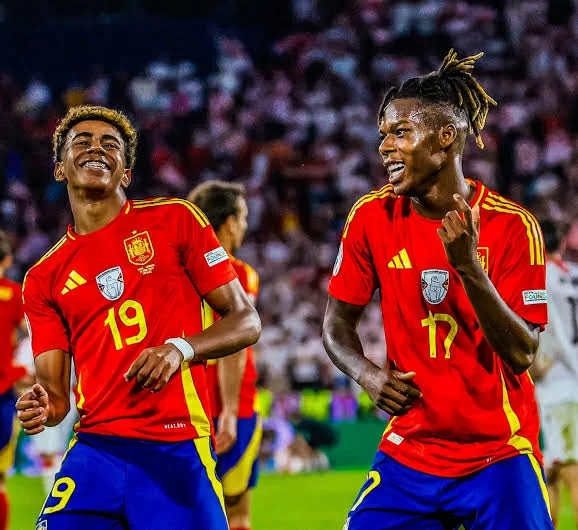
Spain, meanwhile, has undergone a clear tactical evolution, shifting from a possession-focused control side to a team that combines lethal wide speed with signature technical quality. With the retirements of veteran stalwarts Sergio Busquets and Jordi Alba, and injuries ruling out Dani Carvajal and César Azpilicueta, space has opened up for bold, young wide attackers to step into the starting lineup. Lamine Yamal and Nico Williams are the standout new faces, expected to unlock opposition defenses with their blistering pace and tricky dribbling ability. In midfield and defense, Rodri and Alejandro Grimaldo take on key roles: Rodri is the undisputed tactical leader and linchpin of the side, while Grimaldo adds an extra attacking dimension from left back with his goalscoring ability and playmaking. Pedro Porro fills in for the injured Carvajal with relentless offensive drive, and young Barcelona talent Pau Cubarsí adds sharp build-up play from the back line.
Morocco, the surprise semi-finalist of the 2022 World Cup, has been completely rebuilt under a new manager, with the team’s young “golden generation” taking control from the veteran leaders that carried the side four years ago. Creative veterans Hakim Ziyech and Youssef En-Nesyri are absent from this year’s squad, while Brahim Díaz and Ismael Saibari invigorate the forward line and flanks with their speed and dynamic movement. In defense, younger, faster center back Chadi Riad takes over from long-time captain Romain Saïss. This widespread rejuvenation not only brings a fresh perspective to the Atlas Lions, but also a tactical shift that places greater emphasis on counter-attacking play and creative attacking.
Defending champions Argentina have also revamped their squad around irreplaceable talisman Lionel Messi, who will be playing in his final World Cup. Following the retirements of veterans Ángel Di María, Papu Gómez and Nicolás Otamendi, manager Lionel Scaloni has turned to younger, more energetic players to boost the side’s tempo and attacking power. Alejandro Garnacho brings youthful fearlessness and attacking depth to the wing, while Thiago Almada can step into creative playmaking duties when Messi requires rest. In defense, Lisandro “The Butcher” Martínez has earned a permanent starting spot, bringing faster build-up play and greater technical quality from the back.
Beyond these established global powers, the 2026 World Cup also welcomes two historic debutants: Curaçao and Uzbekistan. Curaçao, led by experienced Dutch manager Dick Advocaat, blends veteran leadership with emerging young talent, and is primed to pull off upset results against bigger sides. Uzbekistan, meanwhile, has built a reputation for its physically robust defense and quick counter-attacks, and the Asian side is aiming to make an immediate impression on the global stage.
In sum, the 2026 World Cup is set to be a thrilling spectacle where tradition and renewal collide. New stars get their chance to cement their legacies, while football icons bid goodbye to the sport’s biggest tournament. Coaches’ bold tactical choices and the fresh energy of young replacements will play a critical role in the race for the world title. This is poised to be a history-making tournament, where teams compete for glory and players write a new chapter in their professional careers.