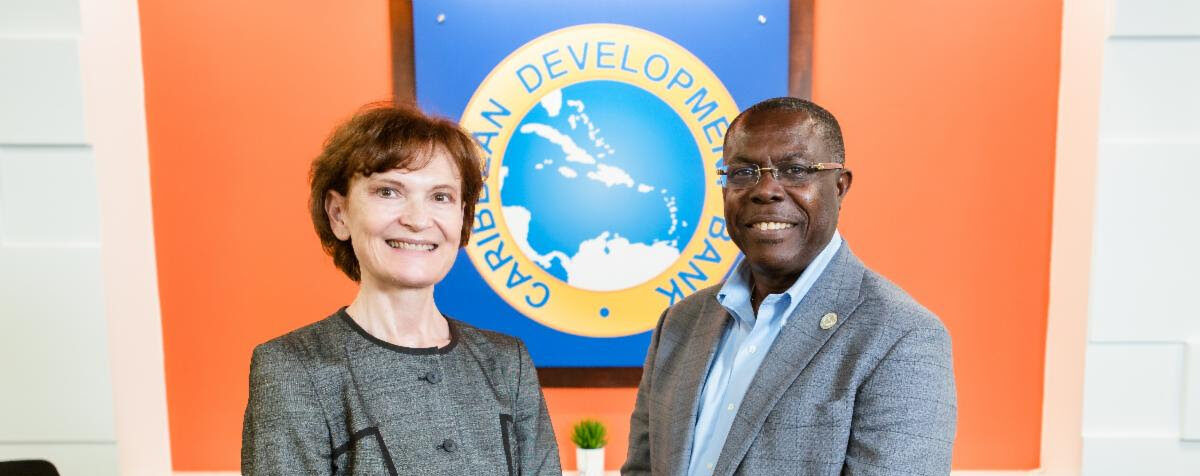
Small island nations across the Caribbean are set to receive expanded, coordinated development backing after the Caribbean Development Bank (CDB) and World Bank Group moved their landmark collaborative initiative from planning to active implementation during their fourth annual partnership meeting hosted recently at CDB’s Barbados headquarters. This new joint Action Plan targets the Caribbean’s most urgent systemic challenges, from lagging infrastructure to uneven economic growth, with a core mission of boosting regional resilience and driving inclusive, sustainable expansion through aligned institutional action. Against a backdrop of unique structural vulnerabilities that have long held back the region, the partnership marks a deliberate shift away from siloed development efforts toward integrated, resource-efficient problem-solving.
The framework lays out three clear core components to guide the collaboration: joint portfolio reviews for individual country development projects, unified systems to track how initiatives impact local employment outcomes, and a wide-ranging study of regional connectivity and logistics designed to pinpoint long-standing bottlenecks dragging down intra-Caribbean trade and transportation links. In opening remarks at the meeting, Isaac Solomon, CDB Vice-President for Operations, emphasized that the scale of the Caribbean’s challenges far outstrips the capacity of any single development institution to address alone. He framed the joint Action Plan as a critical force multiplier for development impact: by aligning strategic priorities, pooling specialized technical expertise, and coordinating development financing, the two institutions can close gaps in project delivery, deliver results faster and more efficiently, and deliver tangible, transformative improvements for Caribbean communities.
Leaders from both institutions outlined a host of expected benefits that will flow from the coordinated plan. The framework is projected to unlock new co-financing opportunities for high-priority regional projects, expand access to low-cost concessional funding for government initiatives, and strengthen the technical and operational capacity of national governing bodies across the Caribbean. Ultimately, officials project these gains will translate to more robust modern infrastructure, upgraded public services, and broadly improved living standards for residents across the region. During working sessions, attendees centered discussion on the unique, disproportionate vulnerabilities that define Small Island Developing States (SIDS) across the Caribbean, reaching a formal agreement to align their respective development programs more closely to cut down on redundant efforts and maximize the impact of every dollar invested. The meeting also included in-depth reviews of ongoing collaborative projects, brainstorming on new areas for joint action, and reassessment of development priorities that have been identified directly by Caribbean national governments.
To keep implementation on track, senior leaders from both banks agreed to new cross-institutional coordination mechanisms, set clear measurable operational targets, and established a semi-annual reporting schedule to formally monitor progress and adjust tactics as needed. Lilia Burunciuc, the World Bank’s Country Director for the Caribbean, noted that the deepened partnership reflects a shared, long-term commitment to advancing sustainable regional prosperity. “The Caribbean has enormous untapped potential, and our collaboration with CDB is central to how both organizations support the realization of the region’s development goals,” Burunciuc said. “Together, we can help governments build more resilient economies, invest in their people, and seize greater global opportunities. This partnership is a shared commitment to a more prosperous and sustainable region.”
As a final step to formalize the rollout, attendees approved the creation of a dedicated joint working group that will take day-to-day oversight of Action Plan implementation. Over the coming months, the partnership will conduct additional targeted consultations with regional governments, local implementing agencies, and other community and private sector stakeholders to refine project plans and ensure priorities align with local needs. The new initiative also aligns closely with CDB’s newly launched 10-Year Strategic Plan spanning 2026 to 2035, titled “Transforming the Caribbean for Resilience,” which identifies deepened strategic partnerships with leading international development institutions as a core pillar to advance social, economic, and environmental resilience across the entire Caribbean region.