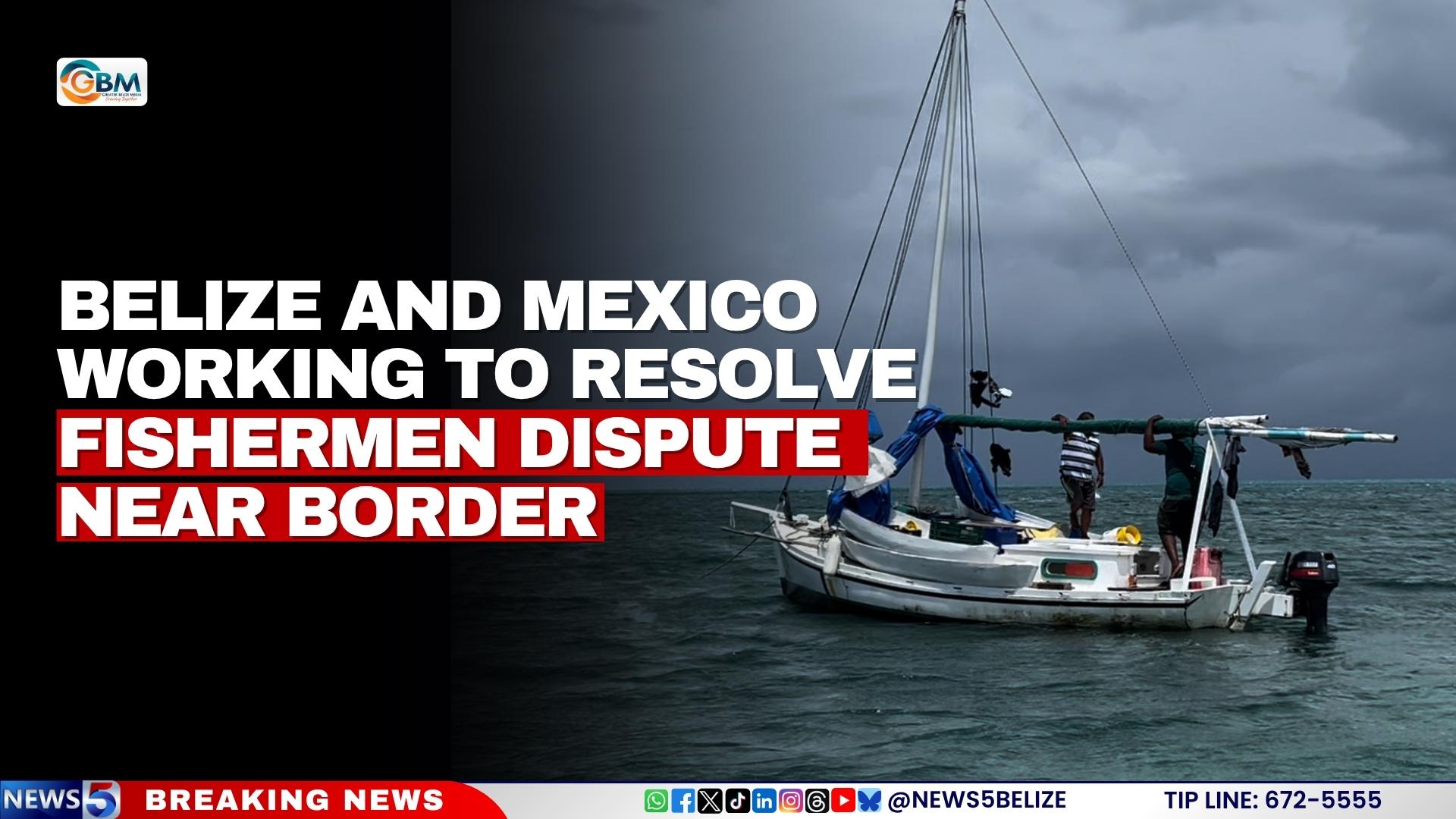
A circulating video capturing a verbal standoff between Belizean and Mexican fishing crews over access to a contested northern border water fishing zone has brought a long-simmering maritime disagreement into public view, though diplomatic channels are already working to de-escalate tensions.
Andre Perez, the elected representative for Belize’s Rural South constituency, clarified in a public statement that while low-level friction persists between the two groups of fishermen, the conflict has not turned violent or escalated beyond the localized dispute. The core of the disagreement centers on a small uninhabited island located in the shared boundary waters between the two nations, according to Perez.
Belize’s Ministry of Foreign Affairs has already initiated official contact with Mexico’s embassy based in Belize to open collaborative negotiations aimed at finding a mutually acceptable solution, Perez confirmed. A notable point of context that eases diplomatic progress, he noted, is the deep, centuries-long social and familial connections between communities on both sides of the border – including Belize’s coastal San Pedro Town and Mexico’s adjacent border town of Xcalak.
Despite the current disagreement, relations between the neighboring communities remain amicable, Perez emphasized. “It’s not heated. We are amicable not only at the diplomatic levels, but the people of Xcalak and San Pedro, we get along,” Perez said. “We travel there. People go there. They come here.”
Even so, Perez pointed to two key underlying drivers of the increasing friction that cannot be overlooked. The primary factor is the steady decline of commercial fish stocks in the shared border waters, a resource that local fishing communities on both sides depend on for their livelihoods. “The fish is getting scarce. That is something that is real,” he stated.
A secondary factor shaping the current dynamic is Belize’s binding marine conservation commitments under the global 30-by-30 initiative, which the country advanced through its landmark Blue Bond financing arrangement. Those commitments require stricter management of protected marine areas, which has altered traditional access patterns for fishermen in the border region.
As of May 28, 2026, negotiations remain ongoing, with both national governments working to preserve cross-border community ties while addressing the resource and management challenges driving the current dispute.