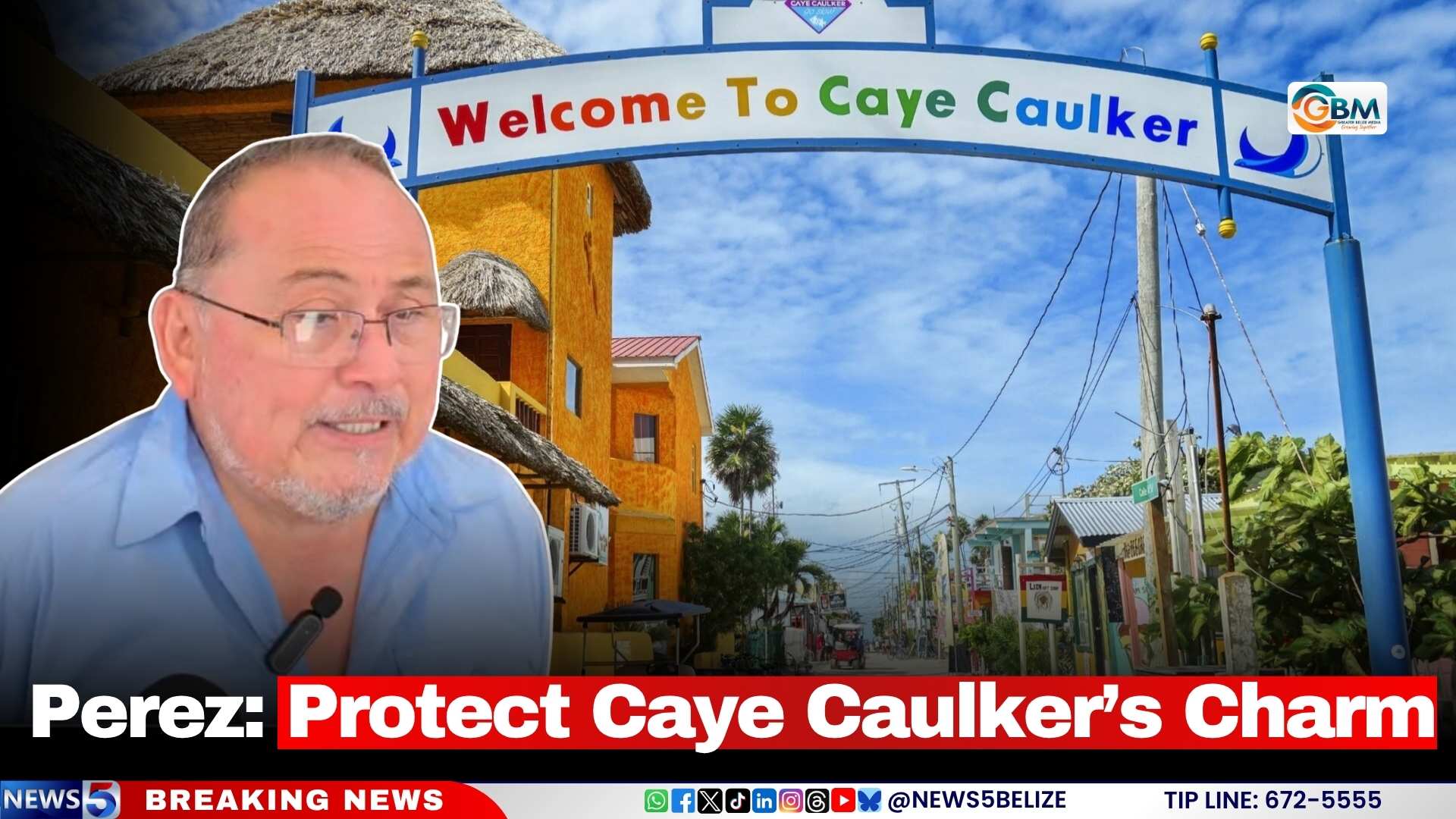
In a decisive move to preserve the unique character of Belize’s most beloved coastal communities, the national government announced a six-month moratorium last Thursday on new development approvals and construction for large-scale projects across four high-priority locations.
The temporary ban applies to any structure that exceeds 45 feet in height or spans more than three floors, and the scope of the restrictions extends beyond just vertical construction. Andre Perez, the area representative for Belize Rural South, confirmed that the policy also includes a freeze on new dock development, part of a wider government effort to curb unchecked overgrowth along the country’s vulnerable coastlines.
Among the four covered communities, Perez highlighted Caye Caulker as a location of particular concern. The small island is renowned globally for its laid-back, quaint atmosphere that draws millions of eco-tourists and casual visitors each year, and local officials have grown increasingly alarmed at the pace of unregulated large-scale development creeping into the area. “Caye Caulker is very special in terms of the quaintness we want to maintain,” Perez explained in a public address on the policy. “We don’t want to make overdevelopment take over that place and have high-rise buildings overtaking and then we compromise the charm of the town.”
The moratorium, which was formally approved by the Belizean Cabinet, covers four coastal areas: Caye Caulker Village, Hopkins Village, the Placencia Peninsula, and Sittee River Village. While the restrictions are temporary, they are set to remain in effect while government agencies carry out two key processes: broad public consultations with local residents and stakeholders, and in-depth technical assessments to evaluate the long-term environmental, infrastructural and cultural impacts of high-density and vertical development across these coastal zones.
Perez added that the temporary pause is just the first step in a broader overhaul of coastal development planning across Belize’s popular island regions. Officials are already drafting similar protective regulations for nearby San Pedro, another top tourist destination that has faced rapid growth in recent decades. “By extension, right now we’re working in the San Pedro plan as well to say enough is enough,” Perez said.