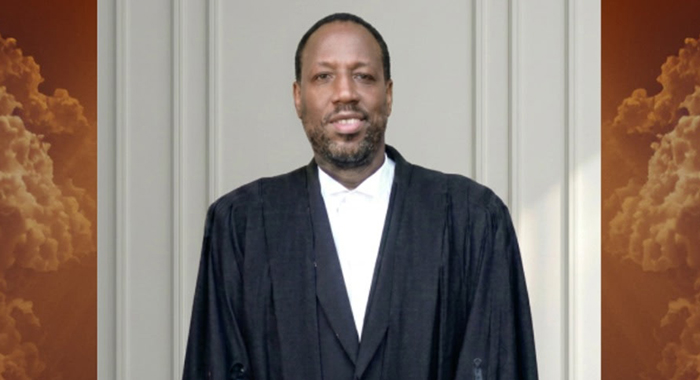
In the mid-1990s, decades after Category 5 Hurricane Janet devastated Union Island in 1955, a visionary secondary school teacher named Steve Eugene Stewart gave his students at Union Island Secondary School an unusual research assignment that would leave a lasting mark on both the students and the small island community. Instead of asking them to flip through textbook pages or dig through static encyclopedia entries to study the historic storm, Stewart tasked his class with a far more meaningful project: seek out the island’s oldest residents, visit them in their homes, and record their first-hand memories of the catastrophic 1955 hurricane.
What many students discovered through the project surprised them. Unlike modern natural disaster early warning systems that rely on televised alerts, radio broadcasts and mobile phone notifications, the only warning Union Island residents received before Janet hit came from leaflets dropped by a low-flying aircraft. Beyond that key historical fact, the interviews exposed young people to far more than just stories of destruction. They heard accounts of extraordinary neighborly solidarity in the aftermath of the storm, and quiet tales of courage from residents who had rebuilt their lives and their home from scratch.
For Stewart, the project was never just about collecting historical data. It was a deliberate lesson designed to nurture an appreciation for living history, preserve the island’s fading oral storytelling traditions, teach young people to respect their elders, and foster intentional knowledge transfer between generations. The project also benefited the elderly participants: many had not received such focused attention from younger people in years, and the interviews gave them a renewed sense of purpose, showing that their experiences and wisdom still mattered to the island community. Many enjoyed connecting with young people, even walking them through generations of their family bloodlines to strengthen intergenerational ties.
This project was just one small example of Stewart’s lifelong legacy as an educator and community leader on Union Island. His core mission as a teacher was always to root young people in their local history, connect them to experienced community leaders, and grow a deep, abiding love for their island home. His commitment to his students went far beyond standard lesson plans: on one occasion, he even sat the Caribbean Examinations Council (CXC) exam alongside his students for a subject he had been teaching for years — surprising them all when it was revealed he never held formal certification in the subject himself, choosing to learn alongside his students to better serve them.
Stewart’s drive to lift up others extended well beyond his own classroom. When other local teachers risked losing their jobs because they lacked required subject certifications, Stewart organized free evening classes to help them pass their mandatory exams. He was also a passionate advocate for local cultural heritage, and a founding member of the Union Island Museum Society, where he led efforts to reclaim historical artifacts from Union Island’s early settler communities that were being held in museums across Europe.
His influence stretched across nearly every corner of Union Island’s public life. He contributed to the island’s sports, recreation and cultural sectors as a key member of the Easterval festival committee, local NGO O.S.D.E.R., May Day celebration organizing teams, and community drama and arts programs. He dedicated himself to advancing youth opportunities, regularly supporting Union Island students who moved to the mainland for higher education — helping them secure affordable housing during their studies and connecting them to job placements after they graduated.
An avid writer and public commentator, Stewart penned dozens of articles highlighting influential local figures, little-known historical events, and ongoing policy debates affecting his homeland. He led campaigns to grant official historical heritage status to important older landmarks across the island, including Union Island’s first concrete home near Cross Road, the colonial-era cotton industry old post office building, the historic overseer’s house on Health Centre Hill, and dozens of other culturally significant relics. He even integrated tours of these sites into his teaching to help students connect with their local history firsthand.
One of Stewart’s final community projects was the restoration of Society Hall, transforming the historic building into a living museum that preserves the story of financial organizing by Union Island’s community of formerly enslaved people. A lifelong advocate for continuous learning, Stewart even began studying law decades into his career as an educator, always reminding his students: “to never stop dreaming, never stop learning, and never stop selling opportunities.”
An extensive traveler and widely respected thought leader on issues of sustainable island development, efficient governance, and educational reform, Stewart spent his entire life as a champion for positive change on Union Island. From his early days selling newspapers to local residents to representing his country at international forums in Switzerland, he never missed an opportunity to improve life for his fellow islanders. Above all else, Stewart was a man of deep faith, who prioritized sharing the importance of personal spiritual life, led regular Bible study classes at his church, and encouraged everyone he met to build a personal relationship with Jesus.
This op-ed is written by Nkarlo Alexander, a former student of Stewart’s at Union Island Secondary School, and reflects the personal views of the author, not the official editorial stance of iWitness News.