Belize’s livestock industry is poised for transformative growth, as the government advances two interconnected efforts to boost productivity and expand market access: a hands-on modern technology training program launched in partnership with Mexico, and ongoing diplomatic negotiations to renew an expired duty-free trade agreement for beef exports.
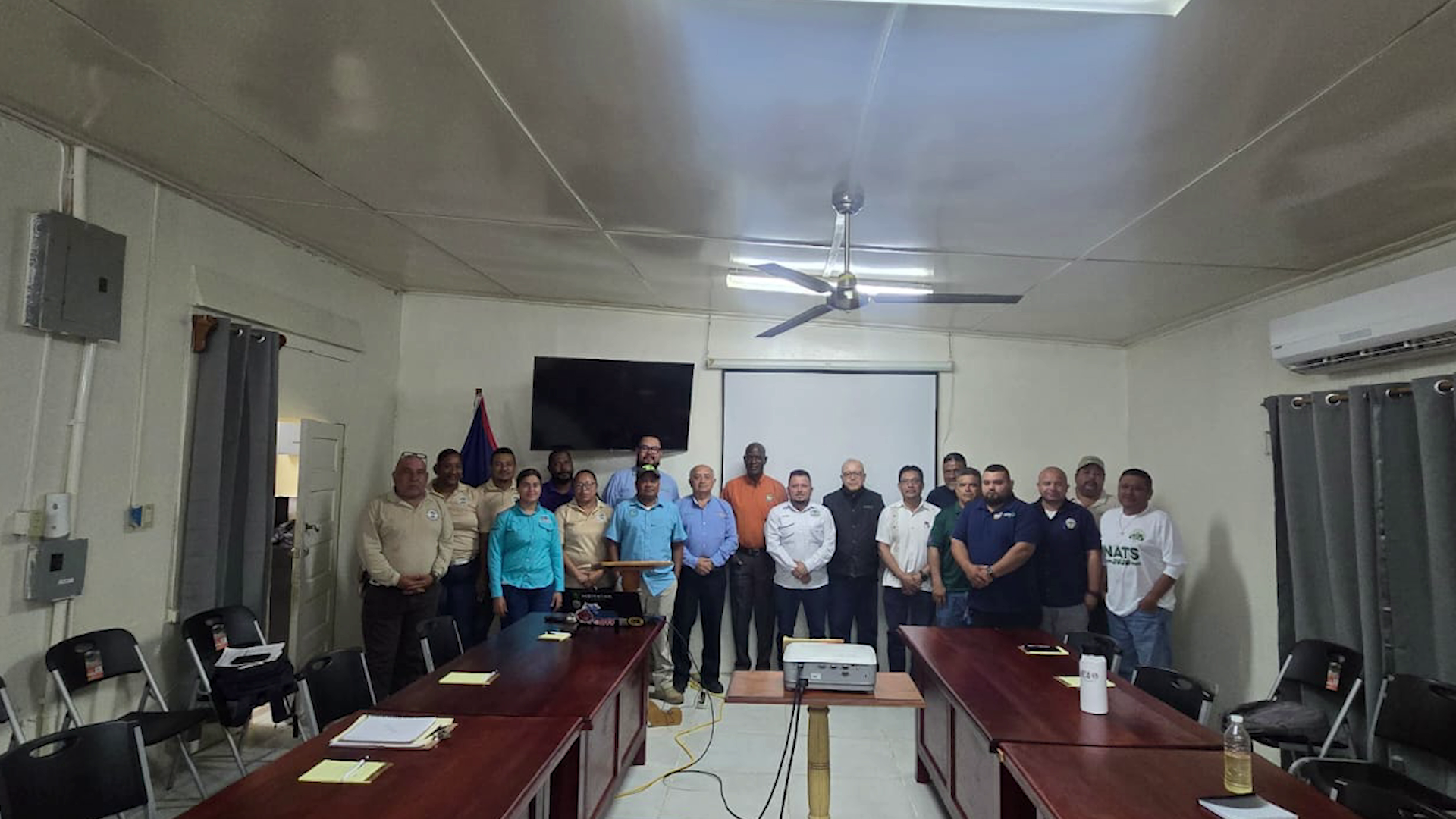
Scheduled through the Belize Ministry of Agriculture and funded via the Mexican Agency for International Development Cooperation (AMEXCID), the seven-day practical training initiative is hosted at the Cayo Central Farm. The program centers on upgrading technical proficiency in reproductive technologies for cattle and small ruminants—an intervention expected to drive widespread productivity gains across the country’s entire livestock sector.
Trainees include government agricultural extension officers, university field technicians and practicing livestock specialists. Rather than relying solely on classroom-based theoretical instruction, the curriculum prioritizes real-world, on-site skill-building that participants can directly pass along to smallholder and commercial livestock producers across Belize. Modules cover a range of high-impact practices, from optimized forage management and customized feeding systems that support animal health and growth, to targeted nutritional conditioning designed to improve both the quality and volume of meat and milk output.
Agriculture Minister Rodwell Ferguson, who formally opened the training, emphasized that investing in frontline agricultural professionals is a core priority for the government, as these experts are the primary resource for supporting on-farm innovation among producers. Minister of State Alex Balona also participated in the opening ceremony, underscoring the full weight of government backing for the capacity-building initiative. At its core, the program aims to reduce production inefficiencies, increase per-animal yields, and improve overall profitability for Belizean livestock farmers.
Beyond domestic productivity improvements, Belize is also working to secure critical trade advantages that will allow the growing sector to capitalize on rising international demand. Belizean beef and cattle already enjoy growing popularity in the United States, Canada, and Mexico, with demand from foreign buyers consistently climbing. But the preferential 15% duty-free access agreement that Belize held for the Mexican market expired at the end of 2025, putting the country’s producers at a competitive disadvantage.
Former Agriculture Minister Jose Abelardo Mai explained that renewing this tariff-free status is the most urgent near-term priority for the sector. He noted that while Belizean beef already reaches North American markets beyond Mexico, retaining access to the neighboring Mexican market on favorable terms remains critical for producers. “Mexico imports cattle and beef from Central America to supply its own domestic market, and Belizean product is already integrated into that supply chain,” Mai said. “What we need now is to lock in an extension of the duty-free status we previously held.”
Mai added that diplomatic efforts led by Belize’s Prime Minister and Ministry of Foreign Affairs have already yielded encouraging early results. During former Mexican President Andrés Manuel López Obrador’s visit to Belize, the original duty-free agreement was signed, and now current Mexican President Claudia Sheinbaum has issued a positive response to Belize’s request for an extension, Mai confirmed.
If the extension is finalized, it will grant Belizean livestock producers a much-needed competitive edge in the Mexican market and clear the way for expanded export volumes that align with the productivity gains driven by the new training program. Together, the two initiatives form a coordinated strategy to strengthen Belize’s livestock sector, boost agricultural incomes, and reinforce the country’s long-term national food security, while deepening agricultural cooperation between Belize and Mexico.