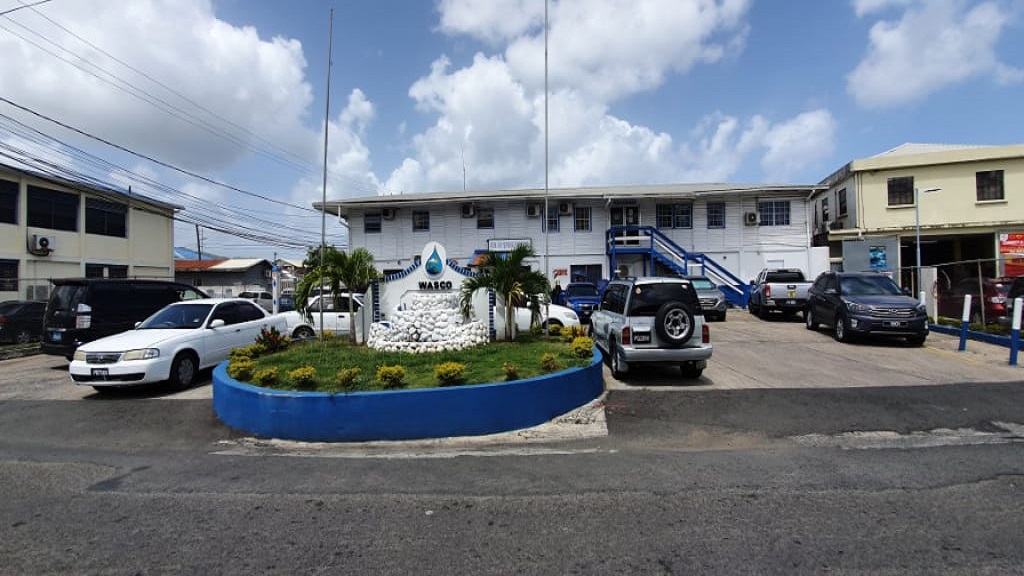
Over the recent weekend, consumers across St. Lucia were caught off guard by an unexpected notice posted to the official website of the Water and Sewerage Company (WASCO). The brief but impactful announcement only stated “new rates coming soon”, but confirmed that water and sewerage tariffs have undergone a formal revision and are scheduled to go into effect starting this June.
The news of an upcoming rate increase immediately stirred widespread anxiety among households, with the issue being raised for questioning during this Tuesday’s pre-Cabinet press briefing. When approached by reporters from St. Lucia Times for comment, Prime Minister Philip J. Pierre confirmed that he was aware of the planned adjustment, but clarified that the national government has very limited legal authority to intervene in the tariff-setting process.
“I have heard so; our hands are tied, but it’s a situation we are looking at,” Pierre told reporters. He further emphasized that the current regulatory framework gives the National Utilities Regulatory Commission (NURC) the power to adjust water rates, along with all other utility rates. “I know it’s painful [but] Cabinet by law, has no jurisdiction over that. Cabinet has moral suasion,” he added.
The NURC’s authority to set and adjust utility tariffs, including water and sewerage service rates, is clearly laid out in the National Utilities Regulatory Commission Act. The legislation does not outline mandatory timelines for when rate adjustments must occur, but it grants the commission full power to create, approve, and regularly review tariff structures. This includes the ability to modify rates over time in line with established regulatory mechanisms, such as an indexation formula that accounts for key economic variables including general inflation, changes to industry wages, and fluctuations in electricity costs — all factors that directly impact the operational expenses of utility providers.
In response to the upcoming cost increase for households, Prime Minister Pierre renewed a longstanding policy appeal to St. Lucian citizens: to explore alternative water sources that can reduce their reliance on the public water supply network. He specifically encouraged more households to invest in residential rainwater collection infrastructure, noting that this simple adaptation can not only help families manage monthly utility costs amid volatile tariff adjustments, but also strengthen long-term community water resilience.