A recent uptick in violent criminal activity across the Caribbean island nation of Saint Lucia has sparked widespread anxiety among both local residents and the international travel community, putting new pressure on government leaders to address public safety as the country’s cornerstone tourism industry hangs in the balance. As the largest contributor to Saint Lucia’s national economy, tourism is inherently sensitive to perceptions of safety, and growing public discourse on social media and community forums has amplified worries over whether travelers can remain secure amid the shifting crime landscape.
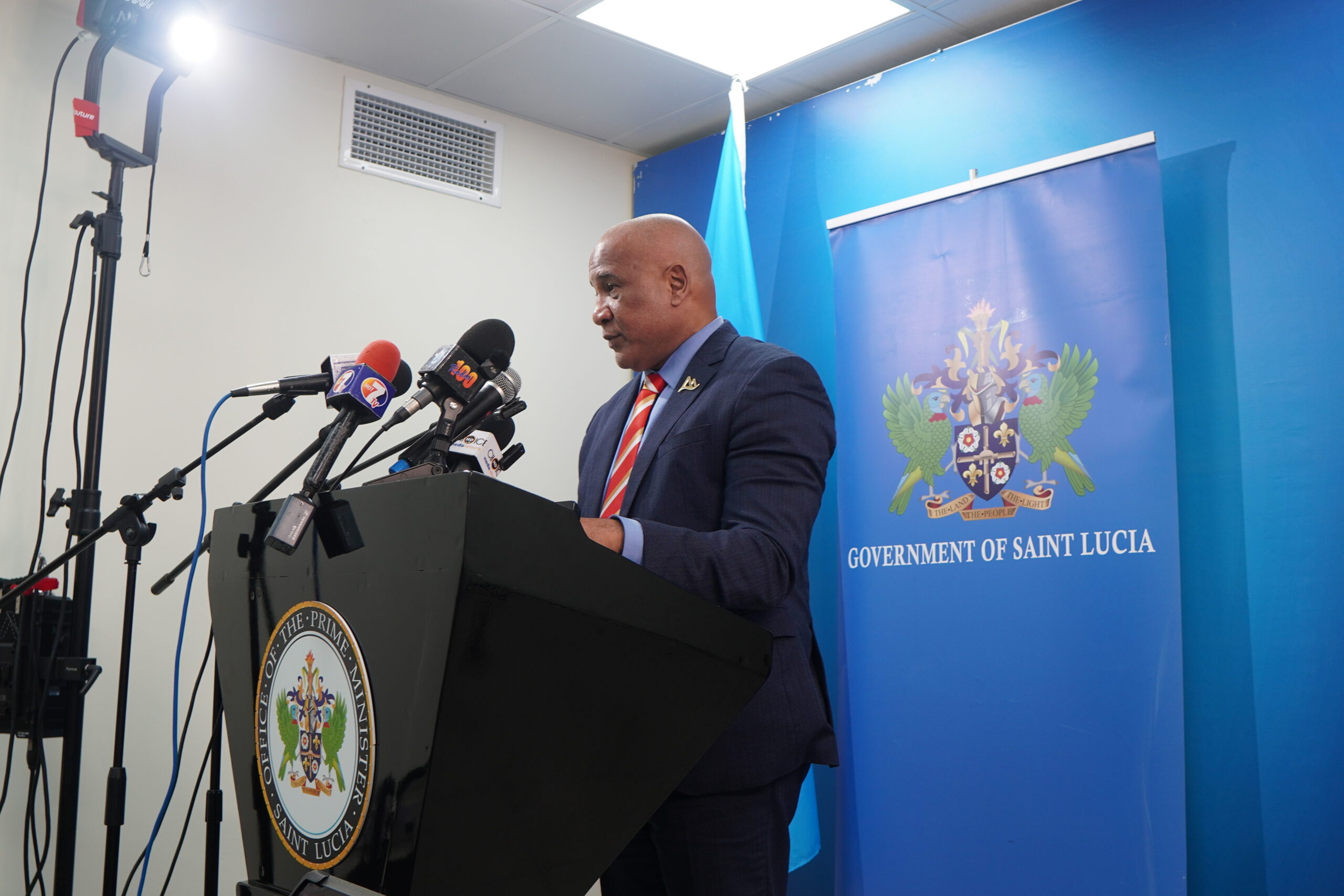
In an official address to reporters ahead of the latest cabinet meeting, Saint Lucia’s Tourism Minister Dr. Ernest Hilaire stepped forward to clarify the government’s position on the crisis, pushing back against growing unease over tourist safety. Acknowledging he is not a trained criminologist and that full formal analysis of the latest crime data is still ongoing, Hilaire outlined key preliminary findings that draw a clear geographic and demographic line between recent crime incidents and tourist zones. He emphasized that the overwhelming majority of violent offenses reported in the current wave have occurred far outside the concentrated resort and recreational areas that attract international visitors.
“There is a very clear differentiation between the types of crimes that take place across the island,” Hilaire explained. “Our visitors tend to gather in spaces that are not normally where day-to-day criminal activity occurs. What we have seen in this latest wave is primarily a surge in domestic violence. There has been no corresponding upsurge in criminal activity targeting the areas or the visitor populations that form the core of our tourism sector.”
Now serving his second term at the helm of Saint Lucia’s tourism ministry, Hilaire highlighted a key policy step the government has already taken to reinforce tourist protection: the reinstatement of the island’s specialized Rangers Unit, a dedicated security force deployed specifically to safeguard travel hotspots. “We now have a significantly expanded security presence both in local communities and in all the common areas that visitors frequent,” he noted. While Hilaire stressed that full expert analysis is still needed to determine root causes of the crime increase – including links to gun access and the prevalence of domestic disputes – he maintained that there is currently zero credible threat to international travelers on the island. “To date, there have been no formal reports of visitors feeling unsafe during their stay in Saint Lucia,” he added.
Hilaire and Prime Minister Philip J. Pierre have jointly urged local residents and media outlets to avoid sensationalized coverage of the rising crime rate, warning that overblown narratives could cause lasting damage to Saint Lucia’s global reputation as a safe, desirable travel destination at a time when the sector is still recovering from pandemic-related disruptions.