Grenada’s Ministry of Agriculture, Lands and Forestry has officially unveiled the 2026 iteration of the Agricultural Development Assistance Programme (ADAP), an updated iteration of the country’s core farm labor and production support initiative. The new phase of the program comes with a boost in funding, adding approximately EC$1 million to the existing budget to expand assistance to local producers.
Designed to shore up domestic agricultural output and set farmers up for long-term success, ADAP 2026 delivers targeted support for both labor and critical production inputs to small and medium-sized producers across the island. Lauren St Louis, Chief Extension Officer at the ministry, confirmed that the program will be led by the department’s Extension Division — the government body tasked with bridging policy development and on-the-ground farmer needs. “The Extension Division is responsible for rolling out all of the ministry’s policies and programs, so it will spearhead ADAP 2026 with coordination and support from program coordinator John Andrew and his team,” St Louis explained.
Per St Louis, Extension Officers will take charge of two core ongoing responsibilities for the initiative: conducting on-site farm assessments for all applicants, and carrying out continuous monitoring to guarantee public funds deliver maximum value and that all program targets are met.
A key priority of the 2026 ADAP rollout is alignment with regional food security goals, St Louis emphasized. The initiative matches the objectives of two major regional frameworks: the Caricom 25 by 25 + 5 Initiative and the Organization of Eastern Caribbean States (OECS) Food and Agricultural Systems Transformation Strategy (FAST), both of which set clear targets to expand regional food production. “This program puts the systems in place to boost regional trade and advance the entire Caribbean’s collective push for food security,” St Louis noted.
ADAP was first launched in 2023, with a total combined allocation of EC$1.8 million for its 2023 and 2024 phases. An additional EC$800,000 was allocated to the program in 2025, marking consistent year-over-year growth in government investment in local agriculture.
Outlining eligibility requirements for the 2026 cycle, ADAP Supervisor John Andrew explained that the program is tailored to meet the needs of active, registered producers. To qualify, farmers must hold legal access to farm plots of at least a quarter acre, and commit to participating in the Ministry of Agriculture’s broader programs and outreach activities. The core overarching goal of ADAP 2026 is to increase total domestic agricultural output through three key avenues: supporting the development of new farm plots, funding the rehabilitation of underperforming existing fields, and expanding production of priority staple and commercial crops.
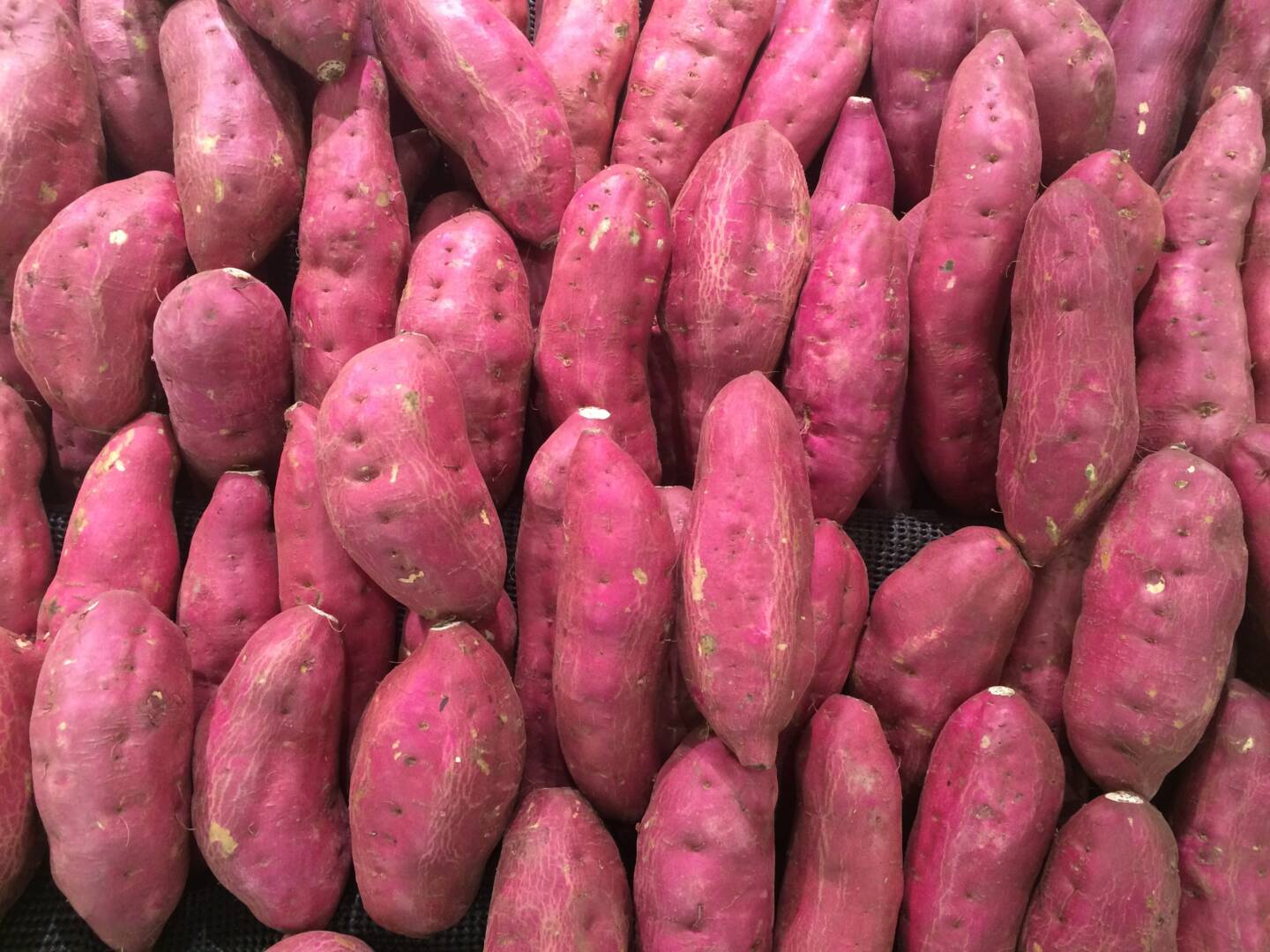
The 2026 program prioritizes support for nine key crops: bananas, plantains, sweet potatoes, yams, dasheen, corn, peas, carrots, sweet peppers, and hot peppers. To encourage scalable commercial production, ADAP 2026 sets targeted size caps for supported plots based on crop type: up to one acre for banana cultivation, half an acre for plantains, corn, peas, sweet potatoes, carrots and hot peppers, and a quarter acre for tomatoes, sweet peppers, yams, and dasheen.
Approved farmer participants can access support across four critical production areas: fully or partially subsidized labor for land clearing, planting, crop maintenance, and harvesting; certified seeds and seedlings for priority crops; discounted tractor services for land preparation; and subsidized material inputs including insecticides, weedicides, and crop growth boosters.
Interested eligible farmers can submit applications through two accessible channels: online via the Ministry of Agriculture, Lands and Forestry’s official Facebook page, or in person at any district extension office across Grenada. The ministry framed the launch of ADAP 2026 as a core step toward its foundational mission: ensuring food and nutrition security for all residents of Grenada.